China rejects espionage claims around Nvidia CEO Jensen Huang as 'smear' campaign, calls them unsubstantiated



PTC News Desk: China on Monday rejected claims that a woman linked to Nvidia CEO Jensen Huang was working as a Chinese spy. Beijing called the allegations "completely groundless" and said they were part of an attempt to damage China's image.
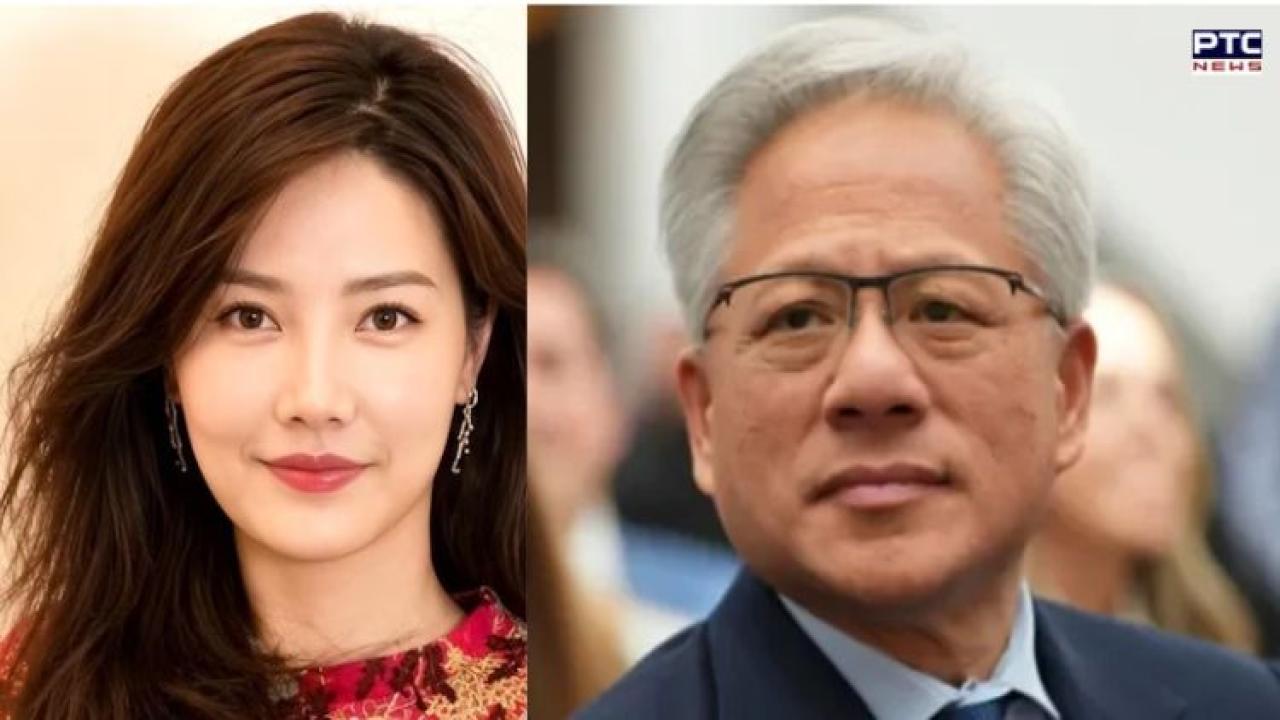
The denial came after a report by The New York Times claimed that Huang had admitted to Nvidia's board that he had an intimate relationship with a businesswoman who was suspected by US intelligence agencies of collecting information for China.
The controversy has raised questions about Huang's relationship with the woman and Nvidia's business dealings with China. The company is already facing attention over its sale of advanced AI chips to China despite US restrictions. Nvidia's shares fell around 5% in pre-market trading on Monday.
Nvidia, one of the world's most valuable companies alongside Apple and Microsoft, announced on Sunday that it would investigate the matter.
Huang has not publicly revealed the identity of the woman involved in the alleged extramarital relationship.
China rejects espionage allegations
China had earlier denied a New York Times report claiming that Huang had developed a close relationship with a Chinese woman named Alice Huang. According to the report, Alice Huang ran a company that was accused of illegally sending advanced computer chips to China. She was also suspected of working for Chinese intelligence agencies.
The report raised concerns that Huang's personal relationship with the woman may have given Chinese intelligence access to sensitive information. However, George Chen, a senior official at Washington-based consultancy The Asia Group, said no conclusions should be drawn without proper evidence. He said the main questions were whether Huang knew about any alleged spying activities and whether any confidential or important information had been shared. Chen added that these questions could only be answered through evidence, not speculation.
Nvidia chips sale to China under scrutiny
The controversy has also brought attention to Huang's efforts to increase Nvidia's business in China despite restrictions imposed by the US government.
In recent years, Huang had urged US President Donald Trump to ease restrictions on selling advanced computer chips to China. Following these efforts, Trump allowed Nvidia to sell its H200 chips to China this year.
However, it is still unclear whether the Chinese government will allow companies in the country to buy these chips in large numbers. In an official filing in August, Nvidia said it had sold only a small number of chips to China because of restrictions imposed by the Chinese government.
Chinese state media have mainly focused on Huang's admission about his personal relationship. Government-linked media outlets have also repeated Beijing's rejection of the spying allegations. Some commentators have claimed that the New York Times report was aimed at creating problems in the improving relations between the US and China.
"Whenever China-US relations begin to improve, there are often those firing shots from the shadows," China's state-owned newspaper Global Times said.
The controversy has put Huang under pressure over two issues: his reported relationship with a businesswoman suspected of collecting information for China, and his efforts to expand Nvidia's business in the Chinese market amid tensions between Washington and Beijing over advanced chip technology.
- PTC NEWS