India hikes windfall tax on diesel, jet fuel exports; cuts levy on petrol exports





PTC News Desk: The Central government has changed the windfall tax on fuel exports. It has increased the tax on diesel and aviation turbine fuel (ATF) exports, while reducing the tax on petrol exports. The new rates came into effect on July 16 as part of the government's regular review held every two weeks.
According to the Finance Ministry, the export tax on petrol has been reduced from Rs 4 per litre to Rs 2.5 per litre. However, the tax on diesel exports has been raised from Rs 8.5 per litre to Rs 15.5 per litre, while the tax on ATF exports has gone up from Rs 7.5 per litre to Rs 14.5 per litre.
The changes come as global crude oil prices remain volatile. Brent crude climbed nearly 2% on Wednesday to reach a one-month high of $84.73 per barrel after the United States restored a naval blockade on Iran. This raised fears of disruptions to oil shipments through the Strait of Hormuz, a key route that previously carried about 20% of the world's oil supply. Rising geopolitical tensions, attacks on oil tankers, and lower diesel exports from Russia have also tightened fuel supplies and pushed up refining costs, although concerns over inflation and weak global demand have limited further price increases.
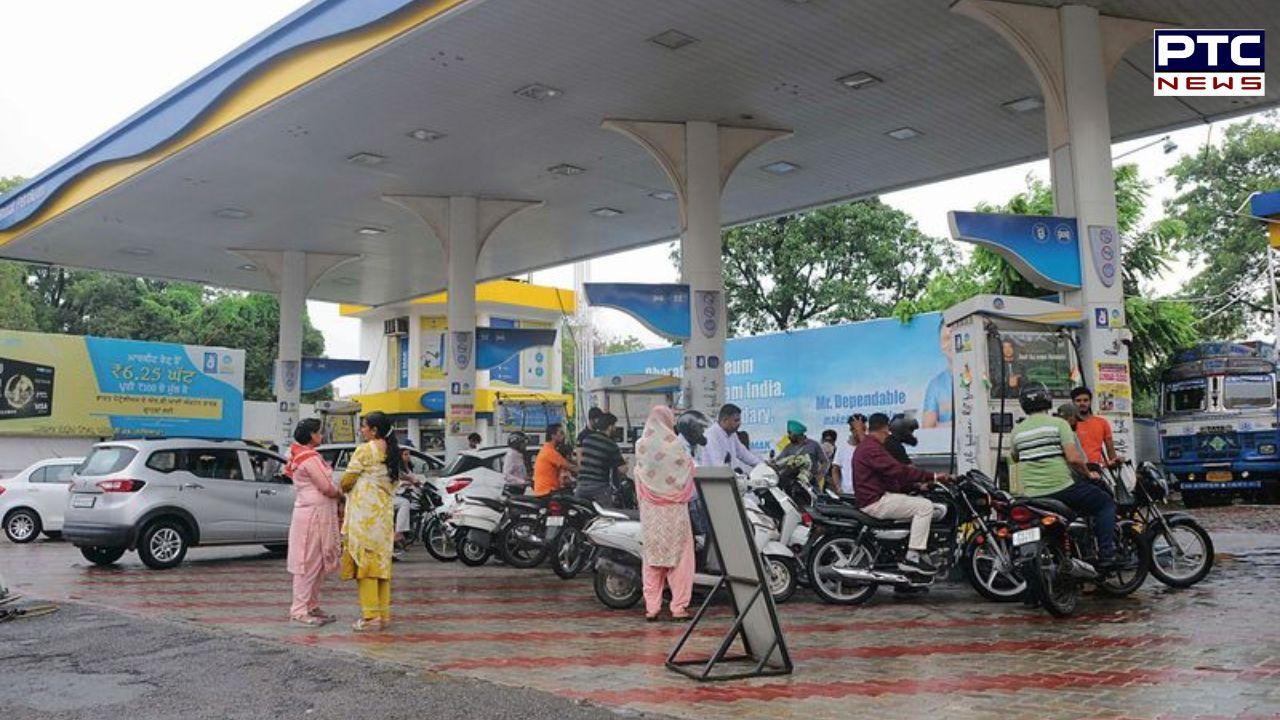
Earlier, on June 11, the Centre temporarily stopped industrial, commercial and institutional consumers from buying petrol and diesel at retail fuel stations. These users were asked to buy fuel through bulk supply channels instead. The move was aimed at ensuring enough fuel was available for retail customers and preventing hoarding.
The government said the decision was taken because global geopolitical tensions had disrupted oil supply chains and shipping. It also noticed that many bulk consumers had started buying fuel from retail pumps due to the growing price difference.
At that time, diesel was selling at Rs 95.20 per litre at Delhi's retail pumps, while bulk buyers were paying Rs 134.50 per litre. The gap existed because state-run oil companies kept retail fuel prices lower to protect consumers from rising international oil prices, while bulk buyers continued to pay market-based rates.
- With inputs from agencies