India faces weakest monsoon in 17 years as rainfall deficit hits 15%, food inflation risk grows





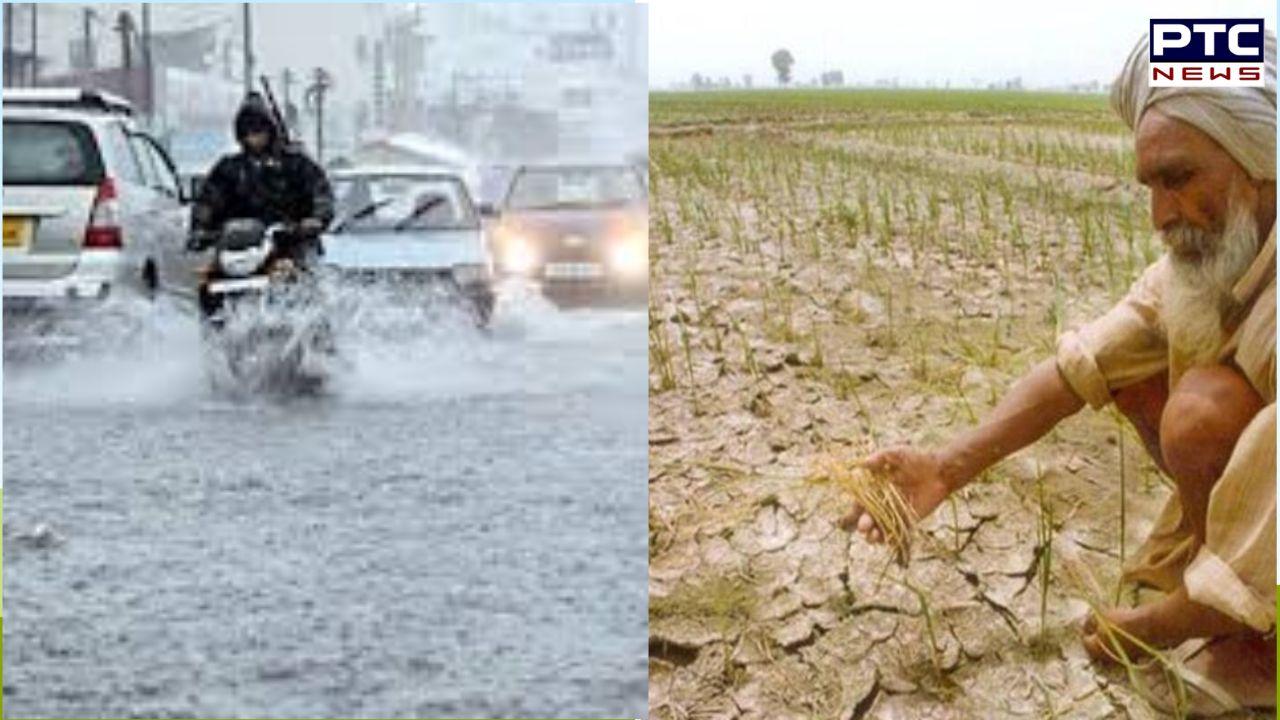
PTC Web Desk: India could be heading towards its weakest monsoon season in nearly two decades, with rainfall running significantly below normal and the strengthening El Nino adding to concerns over agriculture and food prices.
The country has recorded 15% less rainfall than the long-term average during the June-September monsoon season so far, according to the India Meteorological Department (IMD).
The current shortfall is considerably higher than the 10% deficit projected in the IMD's initial forecast in May.
If the rainfall deficit remains at this level, 2026 could see India's weakest monsoon since 2009. That year, the country received around 18% less rainfall than normal, according to climate analyst Christian Werner of Australia-based Global Weather Climate Analytics.
Rainfall deficit could remain in double digits
Experts do not expect the national rainfall gap to close significantly before the monsoon season ends. Werner has estimated that the final deficit could remain between 13% and 16%, even if a weather system develops over the Bay of Bengal later this month.
A potential tropical cyclone in the Bay of Bengal during the final week of September could bring additional rainfall to parts of eastern and northeastern India. However, its overall effect on the country's monsoon numbers is expected to be limited.
Concern grows over crops and food prices
The weak rainfall has raised concerns for India's farming sector, particularly because millions of farmers depend heavily on the monsoon to irrigate their fields. The monsoon provides the bulk of India's annual rainfall and plays an important role in the production of major crops, including rice, sugar and cotton.
A prolonged rainfall deficit could affect not only crops currently being harvested but also the next sowing cycle.
That could put further pressure on food prices, which have already increased for seven consecutive months, according to the information cited in the report.
Govt takes steps to manage food supplies
The impact of weaker rainfall is already being felt in government policy. Authorities have allowed duty-free sugar imports to improve domestic availability and have also started selling onions at subsidised prices in some states. These measures are aimed at increasing supplies and limiting further increases in food prices.
However, the effect of a weak monsoon can extend beyond individual crops. Lower agricultural output can affect rural incomes, food availability and the broader inflation picture.
When will the monsoon withdraw?
The monsoon normally begins its withdrawal from western Rajasthan around September 17. This year, the IMD has indicated that conditions could become favourable for the withdrawal to begin from some parts of west Rajasthan around September 19.
However, the retreat does not happen across the entire country at once.
Once the withdrawal begins, the monsoon gradually moves eastward and southward over the following weeks. It usually exits the country only after the beginning of October.
Also Read | Pathankot: Missile-like shell found in UBDC canal, security tightened
Also Read | Tirupati laddu ghee adulteration case: ED arrests Sukriti Foods promoter Kailash Chand Mangla for using palm oil
Bay of Bengal system may provide some relief
The possibility of a tropical cyclone developing over the Bay of Bengal towards the end of September has attracted attention because it could bring rain to parts of eastern and northeastern India. Such rainfall could provide some local relief, particularly in areas that have experienced significant deficits.
But weather experts believe the system is unlikely to make a major difference to India's overall seasonal rainfall figure.
What lies ahead
With the monsoon entering its final phase, attention is now focused on how much rain the country receives before the season ends. A final deficit in the 13%-16% range would make this one of India's weaker monsoon seasons in recent years and could add pressure on agricultural production and food prices.
- PTC NEWS