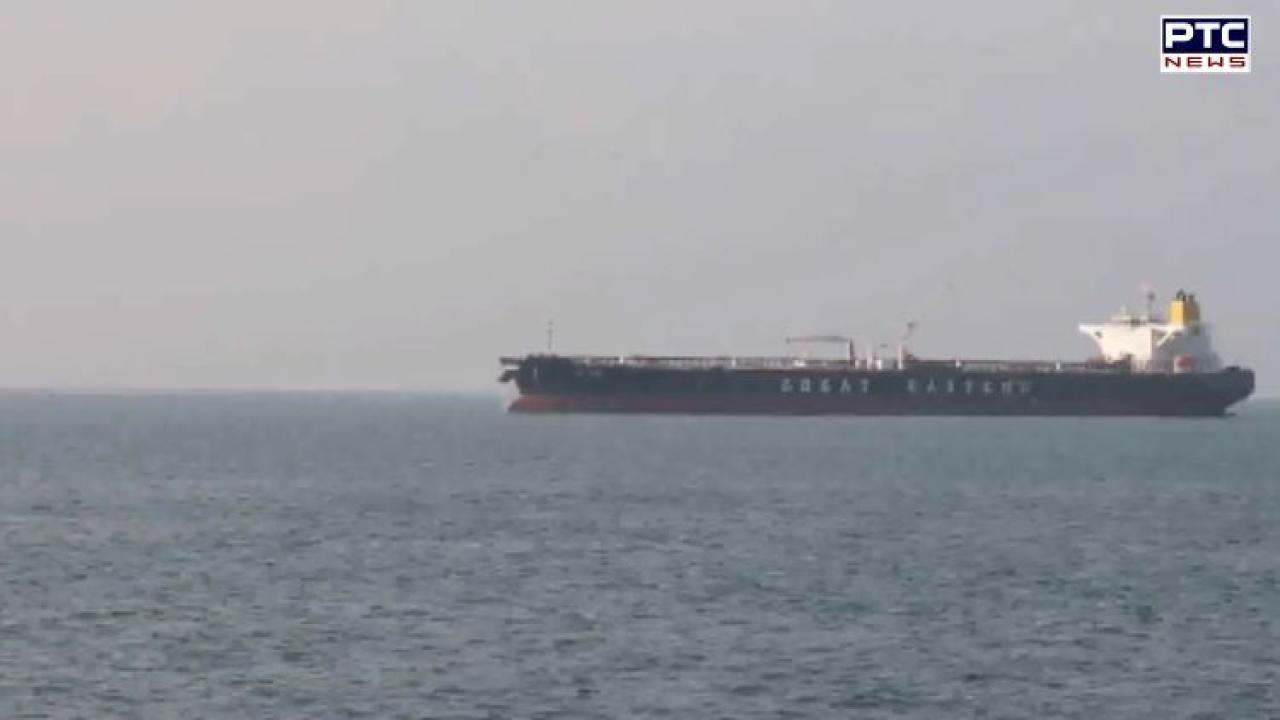
Indian tanker ‘Jag Laadki’ reaches Mundra Port with major crude oil shipment amid Strait of Hormuz tensions





PTC Web Desk: Amid ongoing tensions in the Strait of Hormuz, India continues to receive crucial energy supplies, with multiple Indian-flagged vessels successfully reaching ports in Gujarat.
The oil tanker 'Jag Laadki' on Wednesday arrived at Adani Ports in Mundra, carrying 80,886 metric tonne of crude oil from Fujairah in the UAE. The vessel navigated through the strategically vital Strait of Hormuz, a key global oil transit route, even as geopolitical uncertainties persist in the region.
#WATCH | The Indian-flagged crude oil tanker 'Jag Laadki' arrived at Adani Ports Mundra in Gujarat.
It carried approximately 80,886 metric tonnes (MT) of crude oil—sourced from the UAE—loaded at Fujairah Port.
(Video Source: Adani Port) pic.twitter.com/5zeosrpVbp
— ANI (@ANI) March 18, 2026
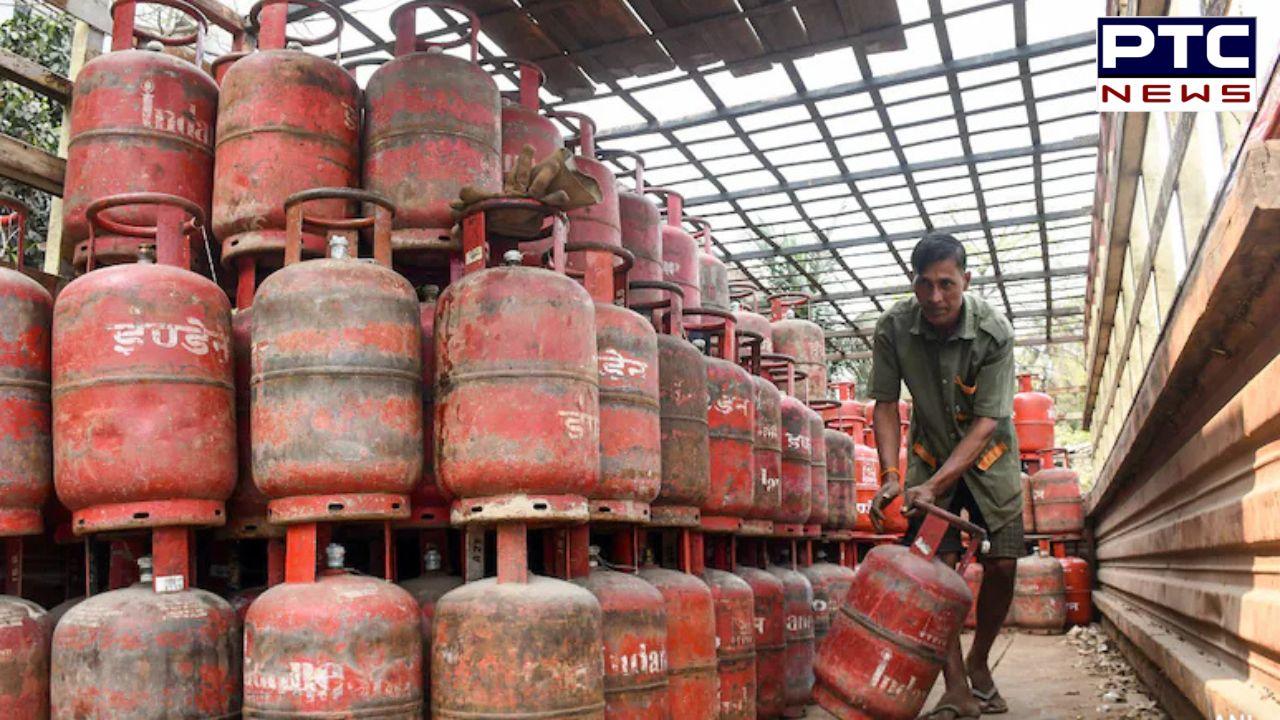
On Tuesday, another Indian vessel, Nanda Devi, docked at Vadinar Port in Gujarat with approximately 46,500 metric tonne of liquefied petroleum gas (LPG). Similarly, the ship Shivalik reached Mundra Port on Monday, transporting nearly 46,000 metric tonne of LPG, equivalent to around 3.24 million domestic gas cylinders.
India, one of the world’s largest energy consumers, uses approximately 5.5 to 5.6 million barrels of oil daily, translating to nearly 900 million litre. The continued arrival of such shipments is critical to maintaining the country’s energy security.
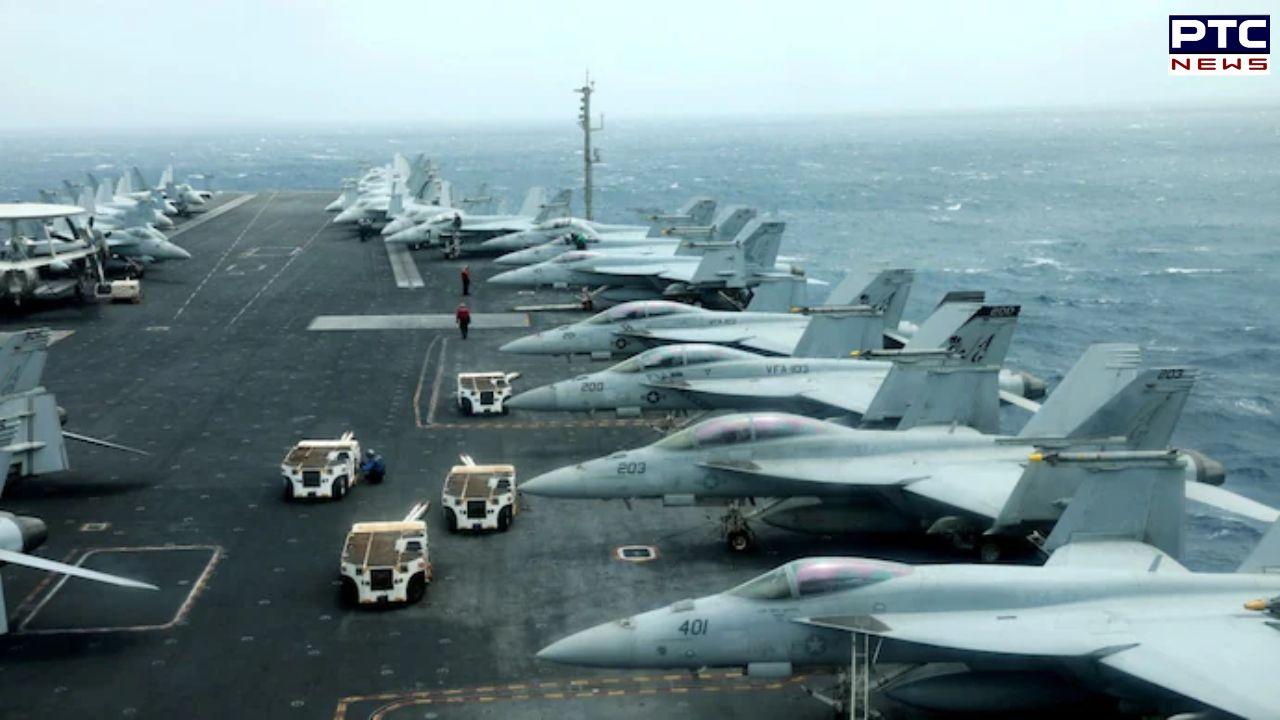
Despite the ongoing conflict involving Iran, maritime movement through the Strait of Hormuz has not come to a complete halt. Reports indicate that nearly 90 vessels, including oil tankers, have passed through the route since the escalation of tensions. However, several ships are reportedly operating discreetly, avoiding public tracking to bypass restrictions imposed by Western nations.
The geopolitical situation has significantly impacted global oil markets, pushing crude prices above $100 per barrel. In response, US President Donald Trump has urged global cooperation to ensure the reopening and secure functioning of the Strait, aiming to stabilise oil prices.
The Strait of Hormuz remains one of the world’s most critical chokepoints, facilitating nearly 20% of global oil supply. While vessel movement initially declined following the outbreak of hostilities and reports of attacks on ships, trade has gradually resumed.
Meanwhile, Iran has managed to sustain its oil exports despite sanctions and conflict, reportedly selling over 16 million barrels since March. China continues to be the largest buyer of Iranian oil, highlighting ongoing shifts in global energy trade dynamics.
Experts note that despite heightened risks, energy transportation through the region remains resilient, ensuring that major economies like India continue to receive essential fuel supplies.
- With inputs from agencies