AAP suffers major blow: Rajya Sabha Chairman accepts merger request submitted by 7 MPs





PTC Web Desk: In a significant political development, the Arvind Kejriwal-led Aam Aadmi Party (AAP) has faced a major jolt in the Rajya Sabha after seven of its Members of Parliament formally aligned with the BJP. Rajya Sabha Chairman CP Radhakrishnan on Monday accepted the merger request submitted by the seven MPs, a move that has substantially altered the party composition in the Upper House.
According to updated figures, AAP’s strength has dropped sharply from 10 to just 3 members, while the BJP’s tally has increased from 106 to 113. Consequently, the ruling NDA bloc’s overall numbers have risen to 148, strengthening its position. With this shift, the BJP is now inching closer to the majority mark of 123 in the Rajya Sabha on its own.
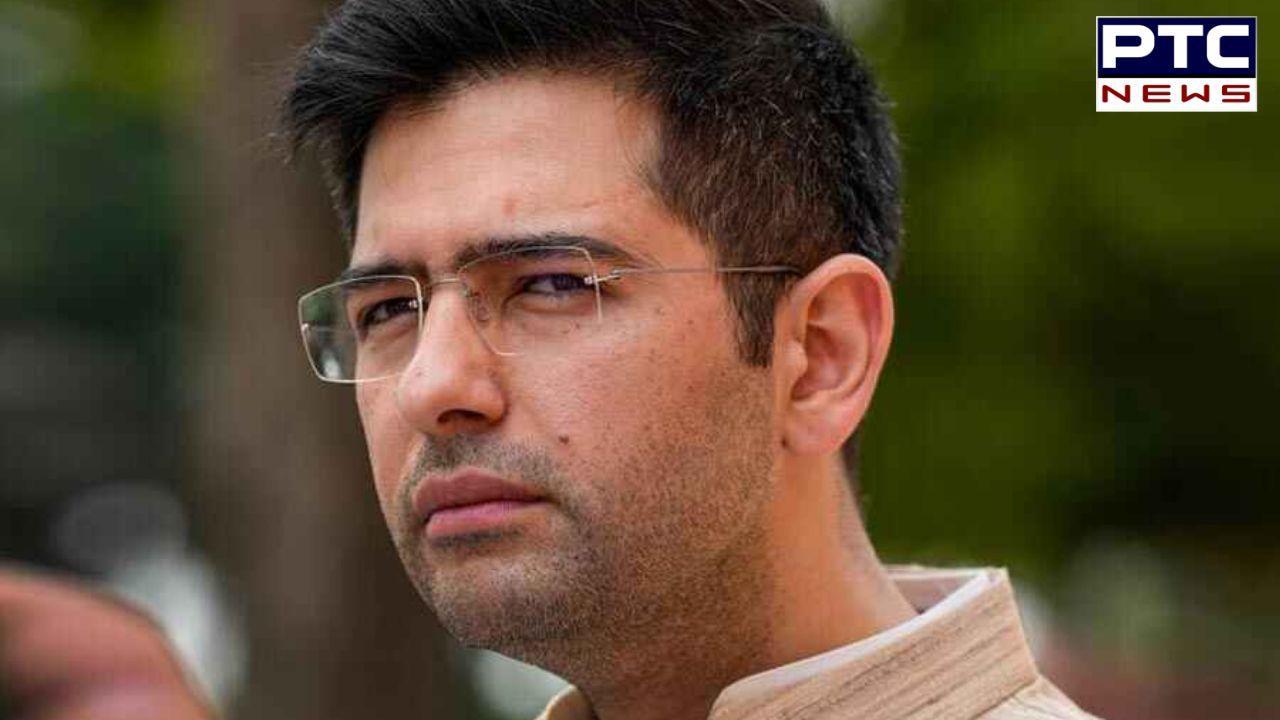
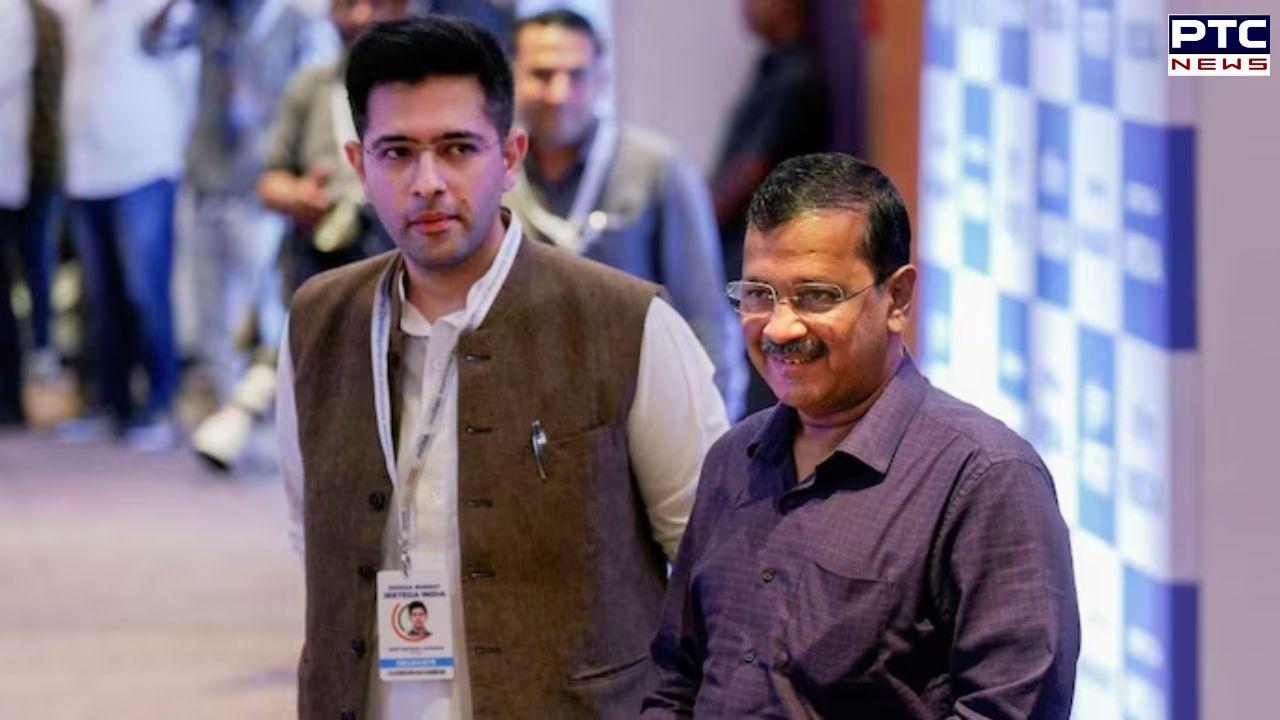
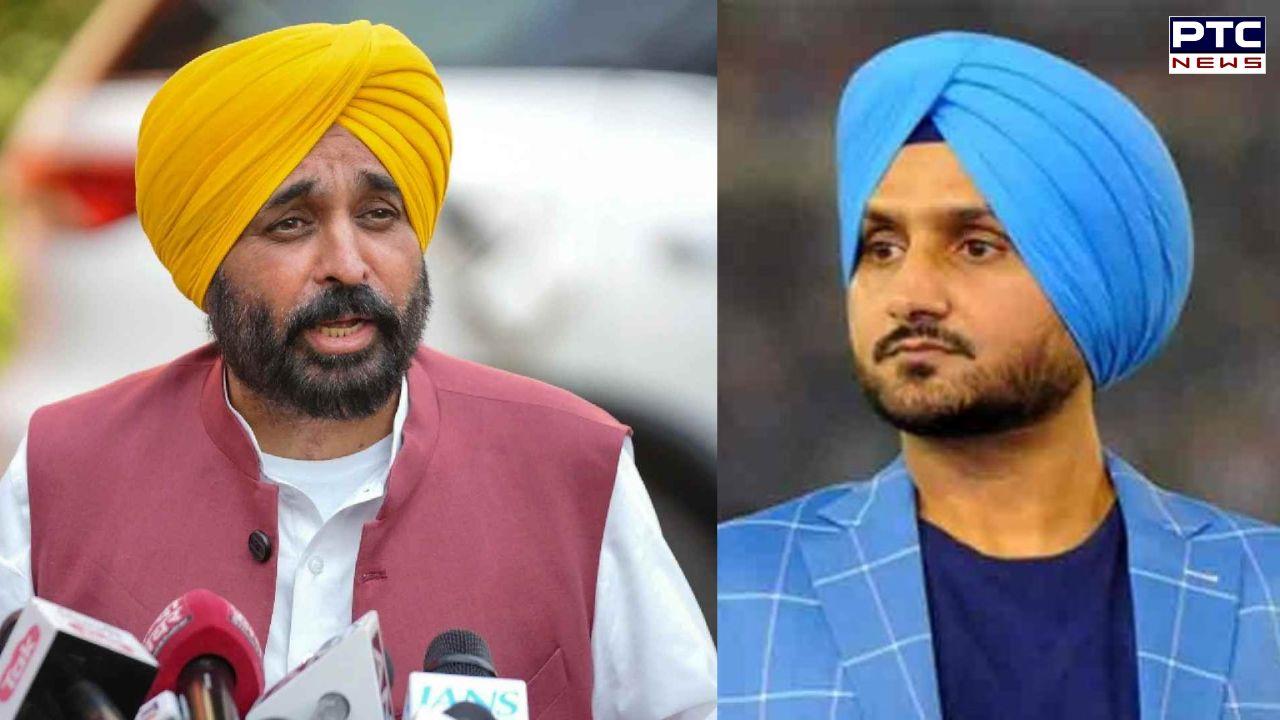
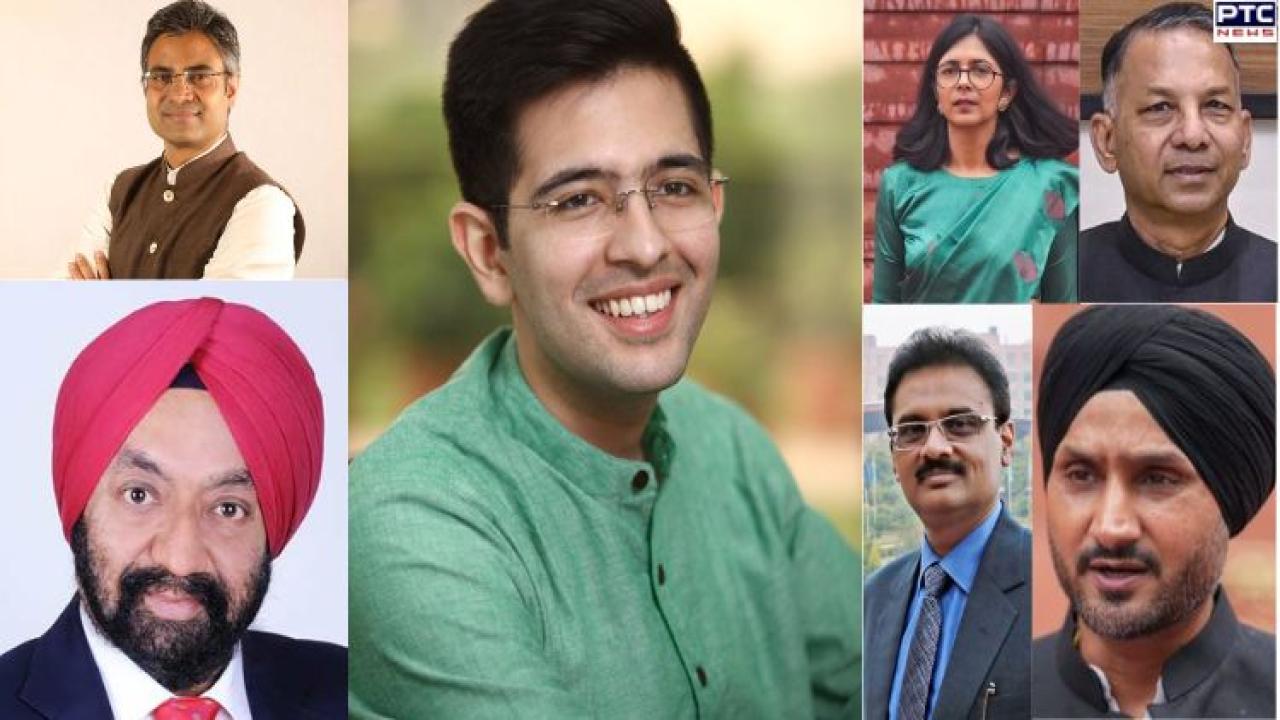
Honb'le Chairman Rajya Sabha Shri C.P. Radhakrishnan Ji has accepted the merger of 7 AAP MPs with BJP. Now, Raghav Chadha ji, Sandeep Pathak ji, Ashok Mittal ji, Harbhajan Singh ji, Swati Maliwal ji, Rajinder Gupta ji & Vikramjit Singh Sahney ji are Members of BJP Parliamentary…
— Kiren Rijiju (@KirenRijiju) April 27, 2026
Sources indicated that the Chairman sought legal advice before approving the merger, which was backed by a written communication signed by the seven MPs. These members—Raghav Chadha, Sandeep Pathak, Swati Maliwal, Harbhajan Singh, Vikramjit Sahney, Ashok Mittal and Rajender Gupta—constitute two-thirds of AAP’s Rajya Sabha contingent, a key requirement under the Tenth Schedule of the Constitution for a valid merger.
The anti-defection law allows such a move if at least two-thirds of a party’s legislators agree to merge with another party. Officials confirmed that all seven MPs had given their consent in writing.
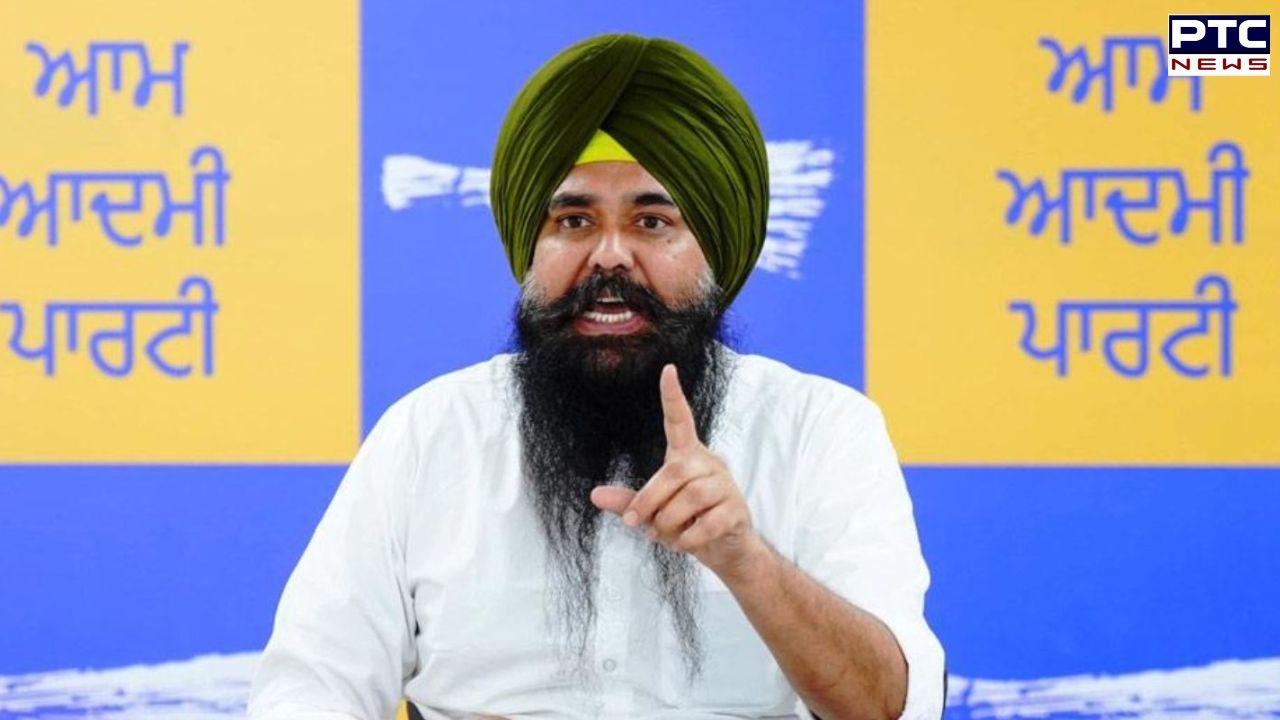
However, AAP has contested the development, urging the Chairman to disqualify the members. The party argues that the process violates constitutional provisions, asserting that a merger should first occur at the organisational level between political parties, followed by the legislative wing, not the reverse. The party has also cited legal opinions, including that of senior advocate Kapil Sibal, to support its stance.
The development draws parallels with earlier political realignments in Maharashtra, where factions led by Eknath Shinde in the Shiv Sena and Ajit Pawar in the NCP had split from their parent parties with the backing of two-thirds of their legislators, eventually gaining control over party symbols.
- With inputs from agencies