Opposition slams proposal to scrap MGNREGA, questions removal of Mahatma Gandhi’s name





PTC Web Desk: The Union Government on Monday faced sharp criticism from Opposition parties over a proposed law that seeks to repeal the Mahatma Gandhi National Rural Employment Guarantee Act (MGNREGA) and replace it with a new rural employment framework. Opposition MPs objected strongly to the removal of Mahatma Gandhi’s name from the flagship rural jobs programme, calling the move politically motivated and unnecessary.
The proposed Viksit Bharat Guarantee for Rozgar and Ajeevika Mission (Gramin) (VB-G RAM G) Bill, 2025, listed in the Lok Sabha’s supplementary agenda, aims to repeal the MGNREGA Act of 2005. The new legislation promises a statutory guarantee of 125 days of wage employment per year for every rural household willing to undertake unskilled manual work, linking the scheme to the government’s long-term vision of Viksit Bharat 2047.
Opposition raises objections
Congress MP Saptagiri Ulaka, chairperson of the Parliamentary Standing Committee on Rural Development and Panchayati Raj, said the panel had repeatedly recommended strengthening MGNREGA rather than replacing it. These included increasing the number of workdays to 150 and revising wages, he noted.
Ulaka alleged that the ruling BJP had long intended to wind up MGNREGA, recalling past remarks that, according to him, dismissed the scheme as unproductive. He also flagged issues such as pending dues to states and delays in fund releases, particularly to Opposition-ruled states, questioning why the government chose to remove Mahatma Gandhi’s name instead of addressing these concerns.
Congress leader Priyanka Gandhi Vadra also criticised the move, arguing that renaming schemes leads to avoidable expenditure on administrative changes. She questioned the intent behind dropping Mahatma Gandhi’s name, calling him a global icon whose legacy should not be politicised. She added that Parliament’s time and public resources were being wasted on symbolic changes rather than addressing people’s pressing issues.
Sharp reactions from other parties
Trinamool Congress Rajya Sabha MP Derek O’Brien termed the proposal an “insult to Mahatma Gandhi”, alleging that the move reflects a broader attempt to erase his legacy from public policy.
CPM general secretary M A Baby described the proposed overhaul as an effort to mask what he called the systematic weakening of MGNREGA’s rights-based structure. He claimed that the Centre’s financial commitment was being reduced, with additional burdens shifted to states, and warned that the new framework could allow the Centre to selectively penalise Opposition-ruled states through fund allocations.
Calling the move “reckless”, M A Baby said the proposed law, coming soon after the notification of new labour codes, could aggravate rural distress. He asserted that the Left parties would oppose the Bill both inside and outside Parliament.
What the new Bill proposes
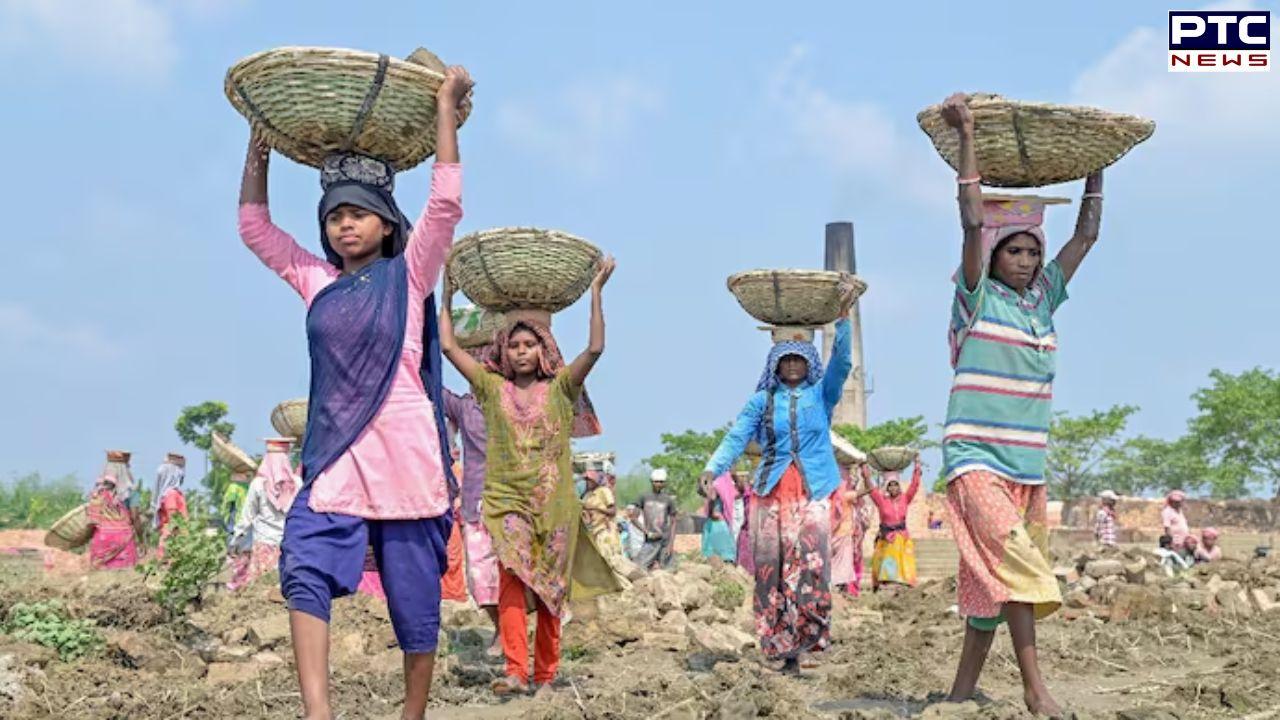
MGNREGA, enacted in 2005 and renamed in 2009, currently guarantees 100 days of wage employment to rural households. The proposed legislation raises this to 125 days and introduces a new rural development framework aligned with the government’s broader economic vision.
Under the Bill, the scheme will remain centrally sponsored, but states will be required to formulate their own implementation plans within six months of the Act coming into force. While the Centre will allocate funds based on prescribed parameters, any expenditure beyond the approved limits will have to be borne by state governments.
Government’s justification
In the Bill’s statement of objectives, Rural Development Minister Shivraj Singh Chouhan acknowledged MGNREGA’s role in providing employment security over the past two decades. However, he argued that changes are necessary in light of evolving rural socio-economic conditions and the expanded reach of other social security and welfare schemes.
The proposed overhaul, the government maintains, is intended to modernise rural employment support and align it with long-term national development goals, an argument the Opposition has firmly rejected.
- With inputs from agencies