Not just a headache: Why women get more migraines & are still not taken seriously | Trending News





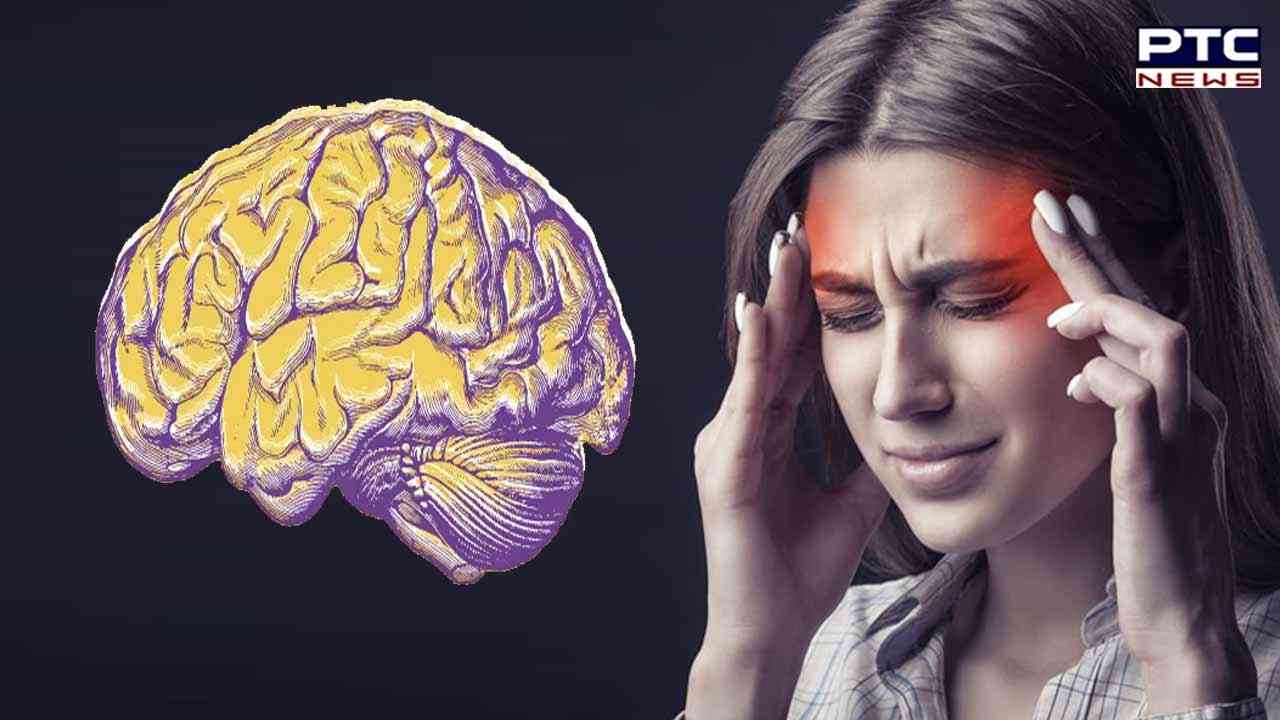
PTC Web Desk: For countless women, a pounding headache is more than just a passing discomfort — it’s a debilitating migraine that brings with it nausea, sensitivity to light, and overwhelming fatigue. Often striking with little warning, these migraines can last hours or even days, yet in many clinical settings, women’s pain continues to be brushed off as mere stress or emotional overreaction.
Despite growing scientific evidence, many women still struggle to be heard — or believed — when they report chronic headaches.
The hormonal link doctors can’t ignore
Medical research has long established that women are two to three times more likely to experience migraines than men, especially after puberty. This difference, neurologists emphasise, is rooted in biology — particularly the influence of fluctuating hormones.
Experts say estrogen plays a critical role in triggering migraines. Migraines are rare in young girls but become more common after the onset of menstruation. This reinforces the idea that hormones are a major factor.
Neurologists say hormonal shifts during menstruation, pregnancy, and menopause significantly influence brain chemistry, often triggering or worsening headaches in women.
Estrogen and progesterone not only impact vascular activity in the brain but also influence how neurotransmitters function — making certain phases of the hormonal cycle more migraine-prone.
The monthly migraine and beyond
Many women report their most intense migraines in the days leading up to or during menstruation. These “menstrual migraines” tend to last longer and respond poorly to common treatments.
Interestingly, pregnancy can offer temporary relief for some women, especially in the second and third trimesters when hormone levels stabilise. But for others, the rapid hormonal changes in early pregnancy or postpartum can spark new headache patterns. During menopause, hormone replacement therapy (HRT) can either alleviate or worsen migraines depending on individual response.
The bias that still persists
One of the biggest hurdles women face isn’t the pain itself — it’s being taken seriously. A 2024 study in the Journal of Clinical Medicine found that women reporting migraines or chronic pain are often dismissed or misdiagnosed, particularly by male physicians. The legacy of outdated stereotypes — that women are more emotional or complain more — continues to affect care.
It is often observed that when women seek help for headaches, their symptoms are often attributed to anxiety, digestion, or vision. More son, many women’s symptoms are described as psychosomatic without proper investigation.
What’s needed, experts say, is a more personalised approach — one that considers age, hormonal fluctuations, lifestyle, and medical history.
NSAIDs and triptans can offer short-term relief, while some patients may benefit from hormonal therapies or modifications to birth control. However, these treatments must be tailored carefully, as they don’t work for everyone and may even aggravate symptoms in some cases.
Experts say a headache diary can be a vital clinical tool as it helps identify triggers, monitor patterns, and guide treatment choices.
- With inputs from agencies