Holi 2026: Why you should avoid synthetic colours and how to make safe organic gulal at home





PTC Web Desk: As Holi approaches, markets are flooded with bright powders and water-based colours. While these vibrant shades add excitement to the festival, experts warn that many commercially available synthetic colours may pose serious health risks.
According to a study published in the Indian Journal of Clinical Biochemistry, several low-cost Holi colours contain harmful chemicals that can trigger skin and respiratory problems. Dermatologists say exposure to such substances may lead to rashes, itching, eye irritation, allergies and even breathing difficulties. In extreme cases, prolonged exposure to certain toxic compounds has been linked to kidney damage and increased cancer risk. Children and individuals with sensitive skin are particularly vulnerable.
What’s inside synthetic colours?
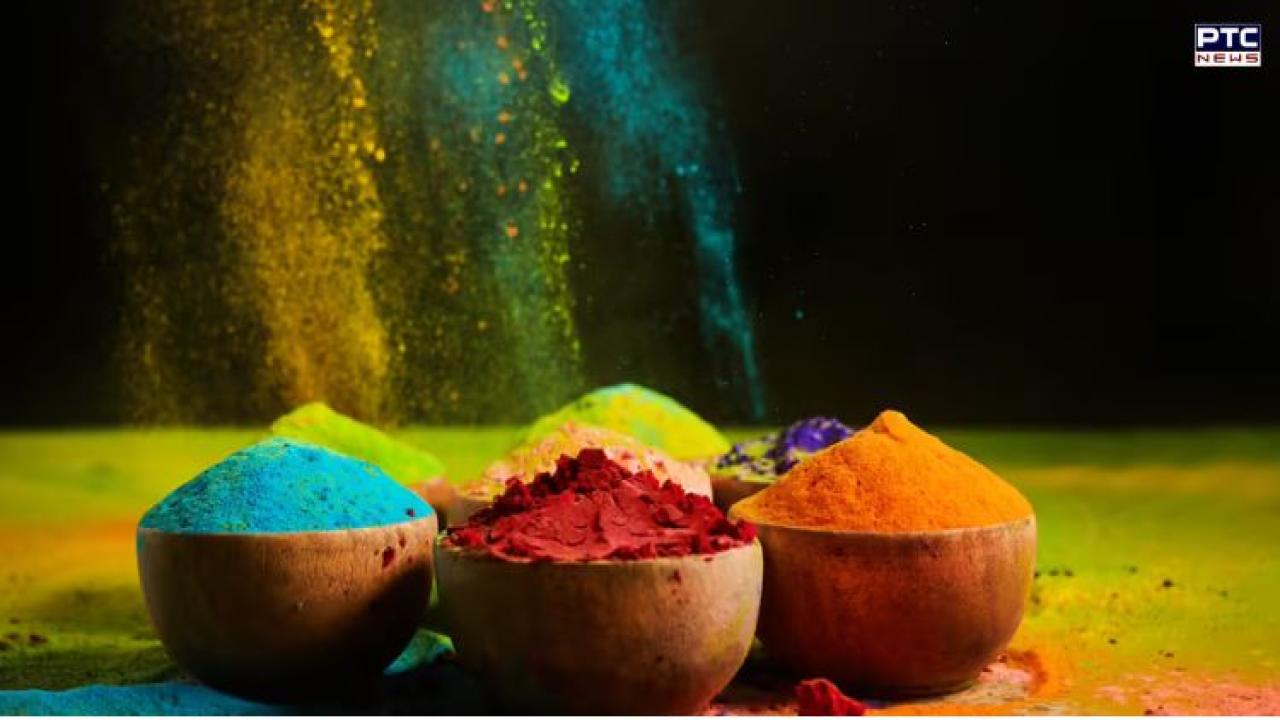
Cheap Holi colours may contain industrial-grade chemicals such as copper sulphate (used for green shades), lead oxide (black), mercury sulphide (red), chromium compounds (purple), aluminium-based chemicals (silver and Prussian blue (blue). These substances are not meant for direct skin contact and can cause inflammation, infection, asthma flare-ups and long-term health complications.
Experts advise people to be cautious. They say even a single exposure can cause allergic reactions in some individuals. Children, elderly people and those with eczema or asthma should avoid synthetic colours altogether.
Make your own organic colours at home
Experts suggest that preparing natural colours at home is a safer and eco-friendly alternative. There are simple ingredients easily available in Indian kitchens from which organic colours can be made.
Orange: Dry orange peels, grind them into a fine powder and mix with a little corn flour and turmeric. Sieve well before use.
Green: Blend spinach, coriander or mint leaves to extract juice. For dry gulal, mix the liquid with corn flour, sun-dry the mixture and sieve.
Pink: Combine beetroot juice with rose water and corn flour. Dry in sunlight for 2–3 days, then grind and strain.
Red: Soak and grind hibiscus flowers or rose petals. Mix with corn flour, dry thoroughly and powder finely.
Yellow: Boil turmeric in water, cool it and mix with corn flour and rose water. Alternatively, turmeric and gram flour can be blended directly for a dry yellow gulal.
Liquid colours can be prepared within 10–15 minutes, while dry powders may take two to three days due to the sun-drying process.
Key precautions while making organic colours
Although natural colours are safer, experts caution that they are not entirely risk-free. Always perform a patch test before full application. Avoid using spoiled leaves or flowers. Ensure the powder is completely dry to prevent fungal growth. Sieve thoroughly to remove coarse particles that could irritate the skin. Store the gulal in airtight containers in a dry place.
Liquid colours should ideally be used within one to two days. Dry powders can last up to two weeks if stored properly.
Are natural colours stain-free?
Most organic colours wash off easily. However, beetroot, turmeric and certain flower extracts may leave mild stains on clothes. Wearing old or light-coloured garments is advisable.
With a little preparation and care, Holi can be both joyful and safe. Choosing homemade organic colours not only protects your skin but also reduces environmental harm, ensuring the festival remains a celebration of happiness, not health hazards.
- PTC NEWS