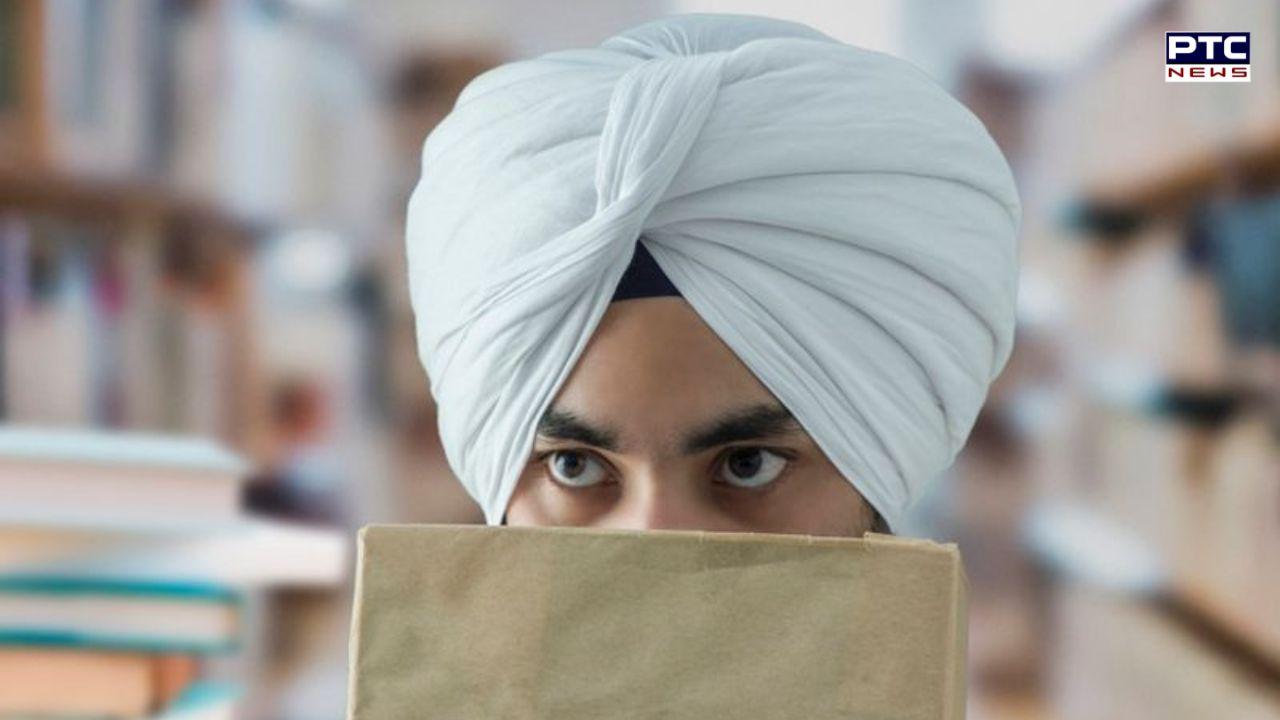
Canada: Turbans, niqabs among all religious attires to be banned in Quebec elementary schools





PTC News Desk: Quebec’s new government plans to ban religious coverings, including turbans and niqabs, in elementary schools. The proposal would add to restrictions already in place in the Canadian province.
Education Minister Joël Arseneau said the government was committed to the ban, which was part of the separatist Parti Québécois’s platform during the October provincial election. “It’s non-negotiable. This is what we were elected to do,” he said, adding that the government would work to implement it.
The proposal follows other restrictions introduced by the previous Coalition Avenir Quebec government. In April, it limited religious practices at public universities, government-subsidised private institutions and daycare centres. It also banned collective religious activities on roads and in parks.
Quebec began restricting religious symbols in public spaces in 2019. A secularism law passed that year barred certain public servants from wearing visible religious symbols, including Sikh turbans and Muslim hijabs. The law applies to roles such as teachers, school principals, police officers and judges. It has faced legal challenges and is now before Canada’s Supreme Court.
Civil groups raise concerns
Anais Bussieres McNicoll, Quebec spokesperson and Director of Fundamental Freedoms at the Canadian Civil Liberties Association, said the province had steadily expanded limits on religious expression.
She criticised the proposed ban, saying it targeted children and could make elementary school students feel excluded because of their religious beliefs.
The Conseil National des Quebecois Musulmans also expressed concern, saying the proposal raised questions about religious freedom, equal access to public education and the place of religious minorities in Quebec.
The group said school leaders had warned that such a ban could harm relationships between schools and families. Its CEO, Stephen Brown, said the policy could make children feel that they did not belong in society or were “second-class citizens.”
- PTC NEWS