No more visa stickers: UK rolls out eVisa system for Indian citizens





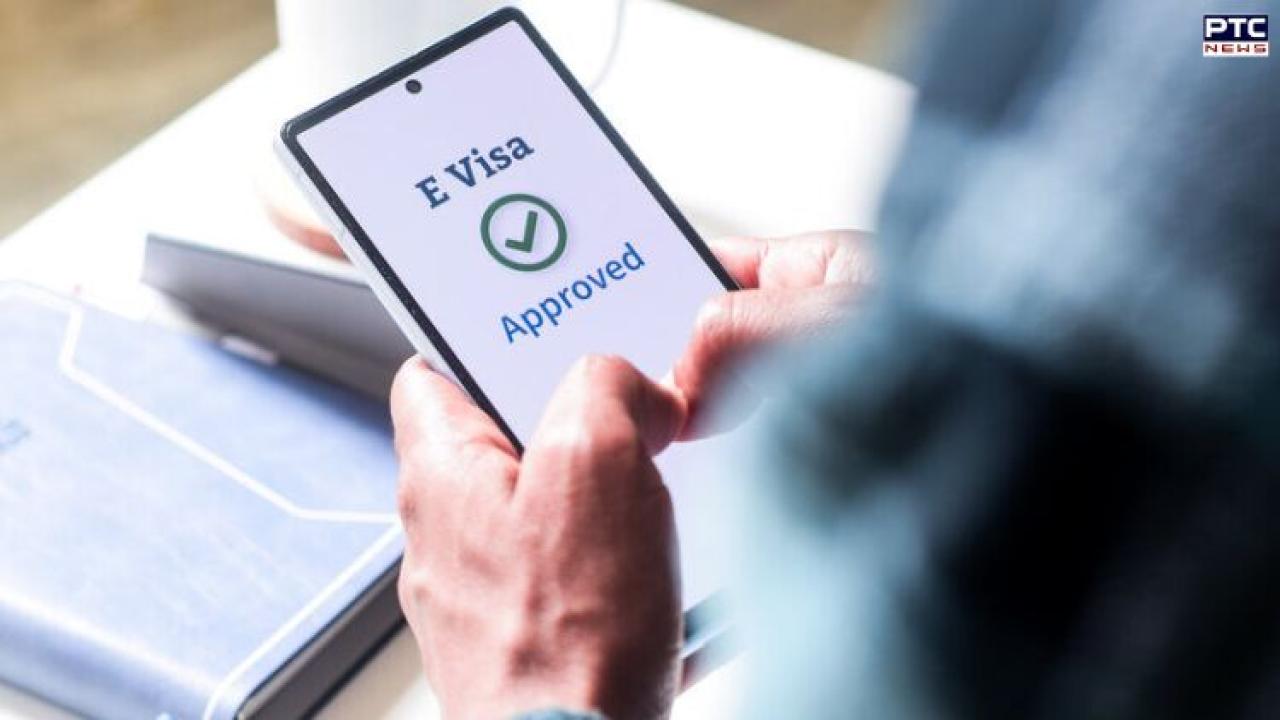
PTC Web Desk: The United Kingdom has rolled out a fully digital travel authorisation system, introducing key changes to visa procedures for Indian travellers. Under the updated framework, Indian nationals will now receive an electronic visa (eVisa), replacing the traditional visa sticker placed in passports.
The move is part of the UK government’s broader transition toward a paperless immigration system. Physical documents such as visa vignette stickers, entry stamps and Biometric Residence Permits (BRPs) are being phased out and integrated into the online system managed by UK Visas and Immigration (UKVI).
While applicants will still be required to visit visa application centres for biometric enrolment, they will no longer need to leave their passports at the centre during the processing period. This change is expected to reduce inconvenience and speed up the overall procedure.
In addition to eVisas for Indian applicants, the UK has made Electronic Travel Authorisation (ETA) compulsory for travellers from visa-exempt countries. Citizens of 85 nations, including the United States, Canada and France, must now obtain an ETA before travelling to the UK. The ETA costs £16 and remains valid for two years or until the traveller’s passport expires, whichever comes first.
The UK government has also warned that airlines may deny boarding to passengers who fail to present a valid digital immigration status. Travellers must ensure they hold either an approved eVisa, ETA or other recognised documentation before departure.
Authorities have issued additional guidelines for eVisa holders. Individuals must keep their passport details updated in their UKVI online account to avoid complications at the time of travel. Any mismatch between passport information and digital records could result in delays or refusal of entry.
UK Migration and Citizenship Minister Mike Tapp urged travellers to verify their digital status well in advance. He emphasised that securing the appropriate electronic authorisation ahead of time would help ensure a smooth and hassle-free journey.
The UK’s shift to a digital-first immigration model is aimed at strengthening border security, modernising travel documentation and streamlining verification processes for both authorities and passengers.
- With inputs from agencies