Viral: Tourist’s camera may have captured glacier collapse behind deadly Nepal flash flood





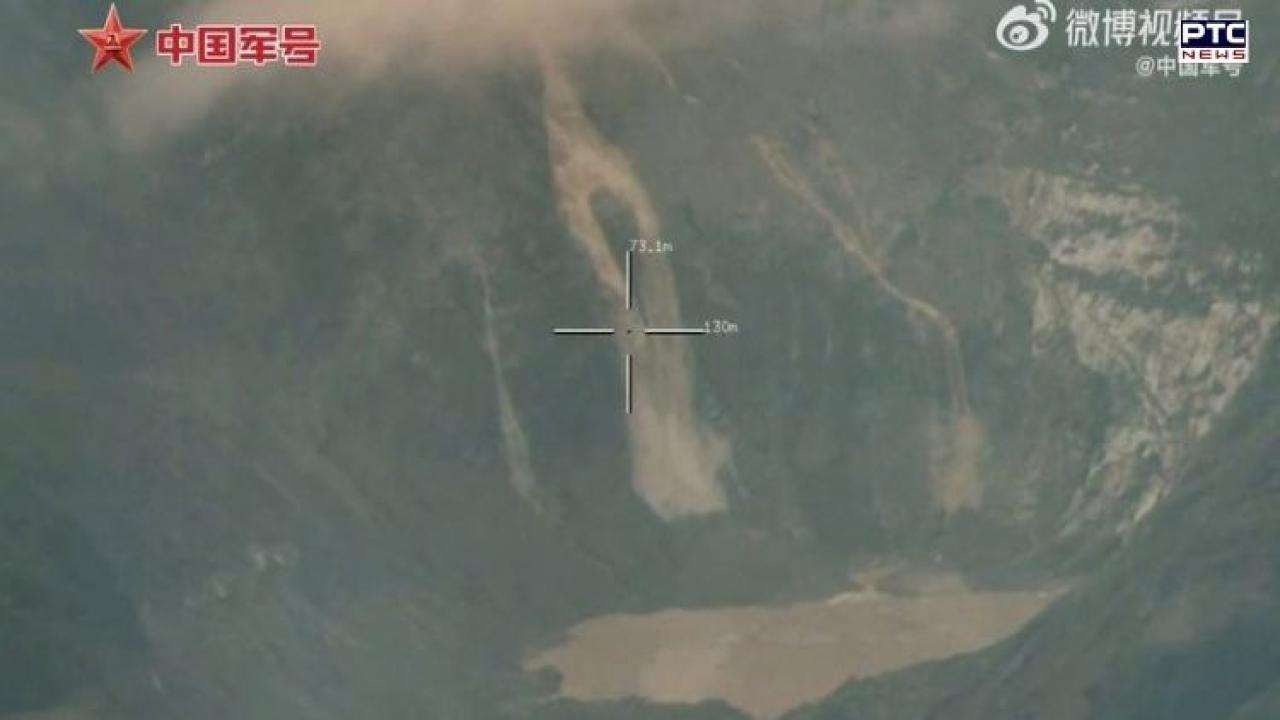
PTC Web Desk: A tourist recording the mountains in China’s Xizang region may have accidentally captured the glacier collapse that triggered the deadly mudslide near the Nepal-China border.
The video was recorded in Gyirong County, close to Gyirong Port. Chinese scientists believe the footage shows the area where the disaster began.
According to Xinhua, Kang Shichang, director of the Institute of Mountain Hazards and Environment under the Chinese Academy of Sciences, said the location seen in the video matches the area identified through satellite and remote-sensing images.
A tourist filming the scenery in Gyirong County, China's Xizang Autonomous Region, accidentally captured the moment of a high-altitude glacier collapse in Nepal.
— China Xinhua News (@XHNews) August 29, 2026
Kang Shichang, director of the Institute of Mountain Hazards and Environment under the Chinese Academy of Sciences,… pic.twitter.com/Sc3lIbjKWo
The disaster happened on August 26 after a large ice and rock mass collapsed in the high mountains on the Nepal side of the border.
The falling ice, rocks and other debris moved rapidly through the valleys before turning into a powerful debris flow. It then crossed towards China and hit the Gyirong Port area in Xizang.
Chinese reports said the collapse took place at an altitude of around 5,140 metre and affected an area of about 620,000 square metre.
The debris travelled nearly 20 km, falling around 3,300 metre in elevation. It reportedly reached Gyirong Port in just about seven minutes.
Villages, roads, bridges and other infrastructure on both sides of the border were damaged in the disaster.
The situation has raised another concern after a natural barrier lake formed upstream. China has warned that the lake could potentially breach and send a large volume of water downstream.
A Level-IV alert was issued on Thursday for the lake formed near the meeting point of the Chhochen Khola and Purepu Tsangpo rivers.
A five-member monitoring team has been deployed to watch the lake and look for signs of a possible breach.
China has also informed Nepal about the situation. Officials have reported changes in the lake, including a gradual darkening of the water.
Chinese modelling suggests that a partial collapse of the natural barrier could produce a maximum flow of around 500 cubic metre per second, creating another flood risk downstream.
Heavy rain hampers rescue work in Nepal
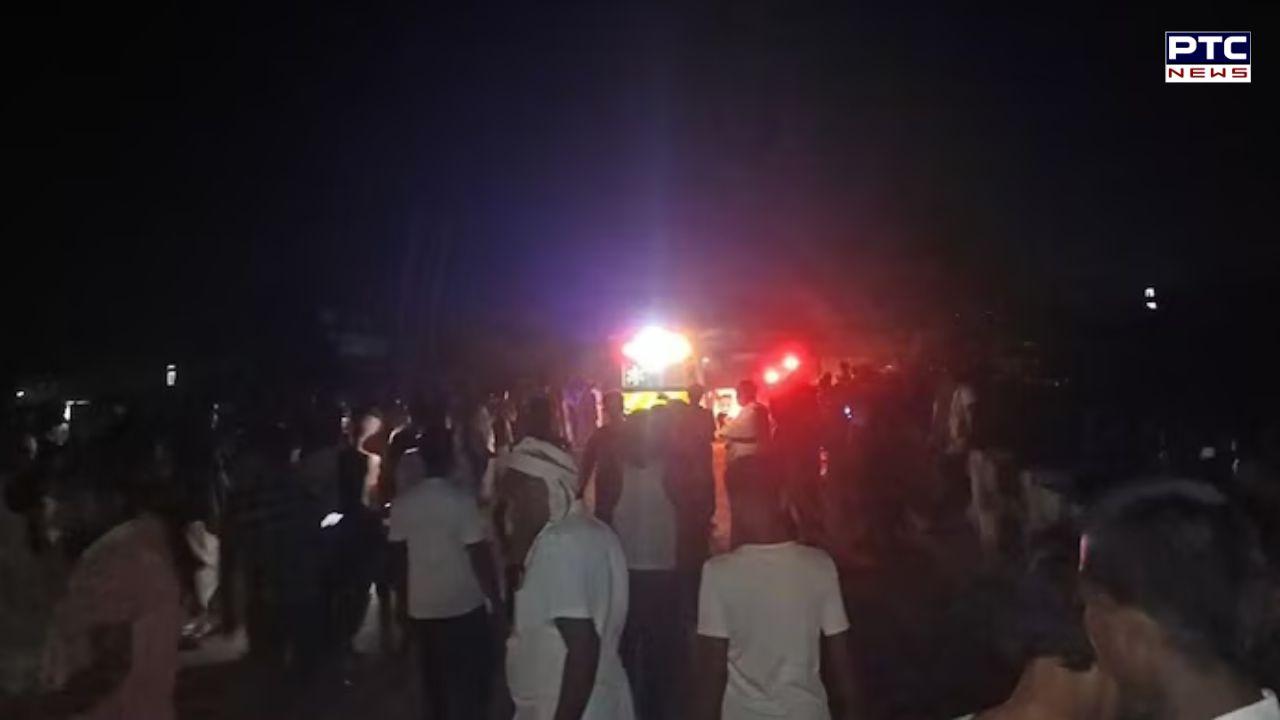
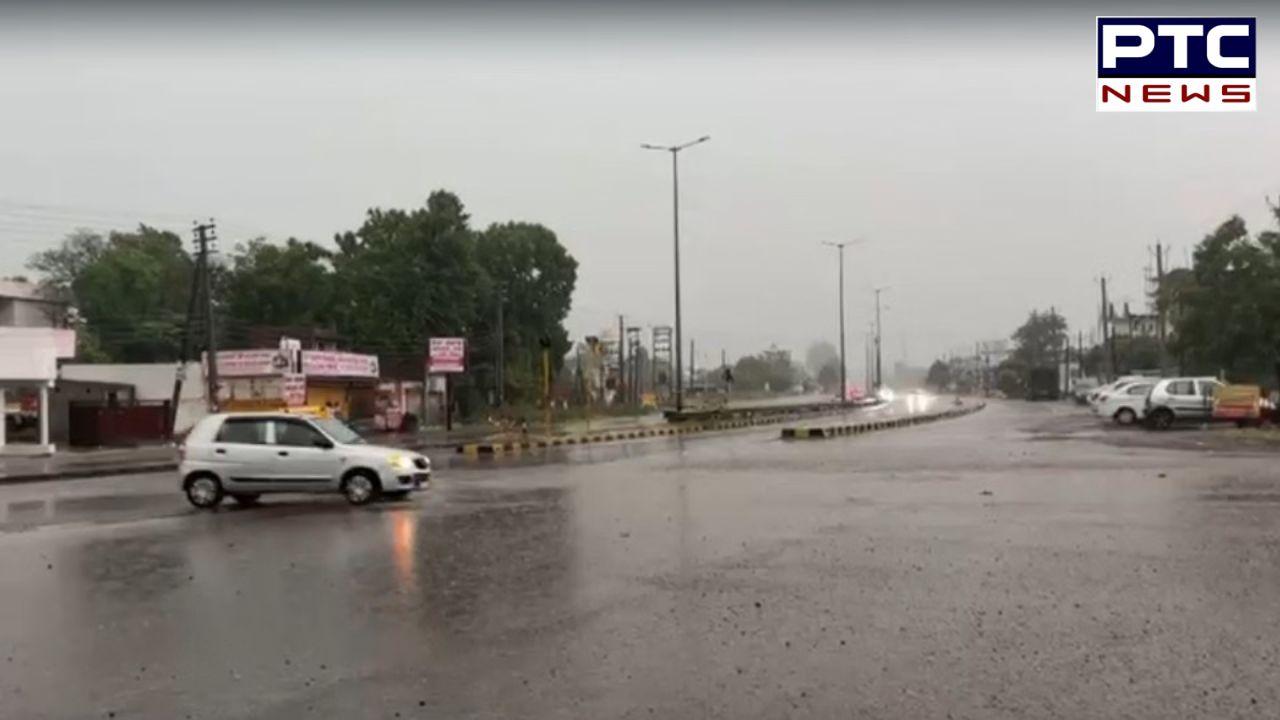
Rescue operations in Nepal have also faced difficulties because of worsening weather. Heavy rain in the Trishuli region caused river levels to rise and forced authorities to temporarily stop helicopter operations. Despite the difficult conditions, rescue teams have continued evacuating people stranded by the floods.
Hundreds killed, thousands evacuated
According to reports, 626 persons have died in Nepal, while seven deaths have been confirmed in Tibet. Around 2,500 people, including foreign nationals, have been evacuated from affected areas in Nepal.
The Nepal Army said 2,465 persons had been evacuated, including 113 Indians, 26 Chinese and 15 South Koreans, along with nationals from Germany, Italy, the United States and Oman.
Among those rescued were 191 workers trapped inside tunnels linked to hydropower projects in the Trishuli and Rasuwa areas. Most of the evacuees were rescued by helicopters, while others were moved out by road.
The situation remains serious on the Chinese side as well. Chinese officials said 554 persons remain missing in Tibet, including 260 foreign nationals. Their nationalities have not yet been made public. More than 1,000 persons, including tourists and local residents, have already been evacuated from Gyirong County. Officials said there are currently no tourists stranded in the area.
Also Read | Nepal flash floods LIVE: Death toll hits 626, over 2,400 missing as rescue operations intensify; Nepal thanks India for support
Also Read | Nepal flash floods: Green house stands amid raging waters, family’s survival video goes viral
The disaster has also raised concerns for Indian pilgrims travelling to Tibet for the Kailash Manasarovar Yatra. Some Indian pilgrims were reportedly inside the immigration building near the Tibet-Nepal border when the flash flood hit the area.
- With inputs from agencies