Trump administration revamps H-1B visa system, favouring high-paid skilled workers





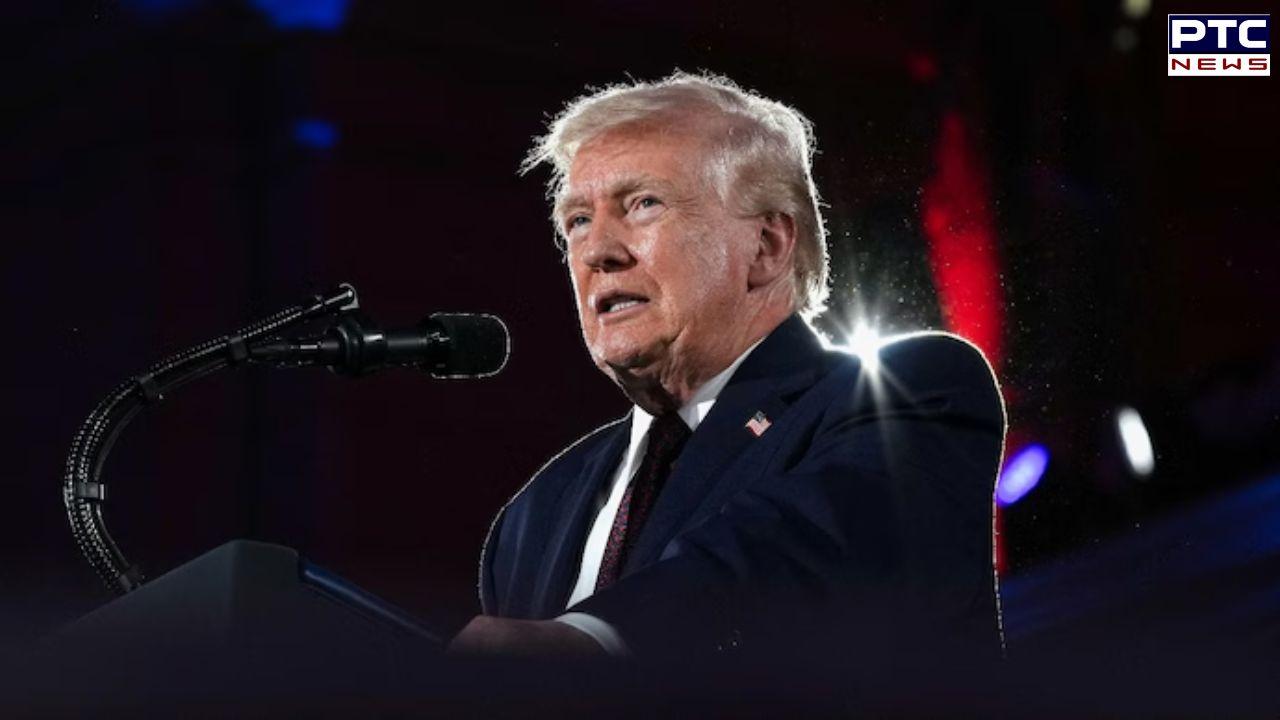
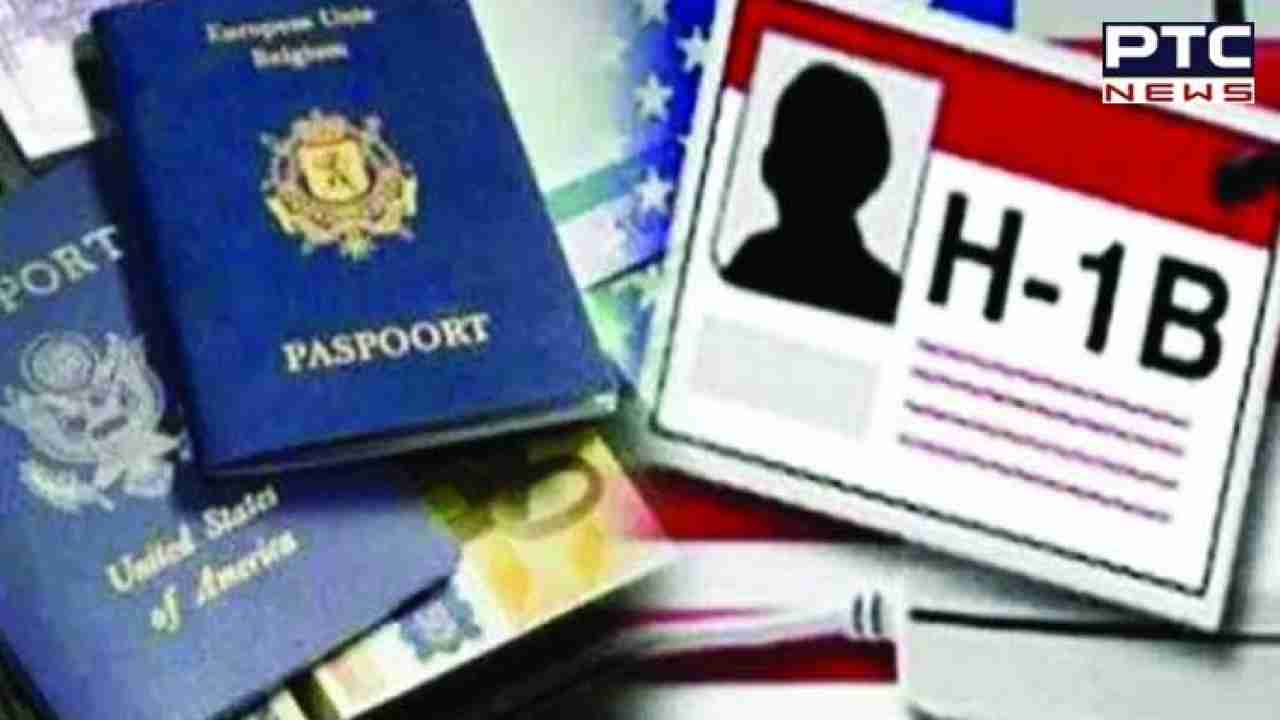
PTC Web Desk: The US government under President Donald Trump has announced a major overhaul of the H-1B work visa programme, replacing the decades-old lottery system with a weighted selection process that prioritises higher-paid and more specialised foreign workers.
The change is expected to significantly reduce opportunities for entry-level professionals, including thousands of applicants from India, who have traditionally relied on the H-1B route to begin their careers in the United States.
New rule to take effect in 2026
According to the Department of Homeland Security (DHS), the revised system will come into force on February 27, 2026, and will apply to the FY 2027 H-1B cap registration cycle.
Each year, around 85,000 H-1B visas are issued under the programme , 65,000 under the general cap and an additional 20,000 reserved for applicants holding US master’s degrees or higher.
Why the Trump administration changed the system
US Citizenship and Immigration Services (USCIS) said the existing random lottery method had been misused by employers seeking to hire foreign workers at lower wages.
“The random selection process allowed employers to game the system by submitting multiple registrations to secure cheaper labour,” USCIS spokesperson Matthew Tragesser said, adding that the new model aims to better protect American workers.
Under the revised framework, visa applications offering higher salaries and requiring advanced skill levels will receive greater preference.
Link to broader immigration crackdown
The visa revamp aligns with other hardline immigration measures introduced by the Trump administration. Earlier this year, President Trump issued a proclamation mandating an additional $100,000 annual fee per H-1B visa, a move that is currently under legal challenge.
The administration has also unveiled a $1 million “gold card” visa, offering a fast-track route to US citizenship for wealthy foreign investors.
Why change matters for Indian professionals
Indian nationals form the largest group of H-1B visa holders, especially in technology, healthcare and engineering sectors. For decades, the visa has served as a key entry point for young Indian graduates seeking global exposure and long-term employment in the US.
However, experts warn that the emphasis on higher wages could disadvantage early-career professionals, who may struggle to meet the new salary thresholds despite possessing strong technical skills.
Tech giants and H-1B usage
US technology firms are the biggest users of the programme. In recent years, companies such as Amazon, Tata Consultancy Services (TCS), Microsoft, Apple, and Google have received thousands of H-1B approvals annually.
California continues to host the highest number of H-1B workers, reflecting the concentration of tech firms in Silicon Valley and surrounding regions.
Supporters vs critics of the programme
Supporters argue the H-1B system is essential for filling talent gaps in areas such as healthcare, education and advanced technology, helping the US remain competitive globally.
Critics, however, claim the programme is frequently used to hire workers for junior roles while classifying them under lower wage levels, undermining the goal of protecting domestic employment.
The new weighted system, officials say, is designed to correct these distortions.
Uncertain road ahead
While the administration insists the changes will strengthen the US workforce, immigration experts caution that legal challenges and industry pushback could delay implementation.
For now, aspiring H-1B applicants, particularly from India , face a tougher and more selective pathway to working in the United States.
- With inputs from agencies