Democrats take back Congress: Trump loses both House and Senate in midterm shock | | US midterm elections explained



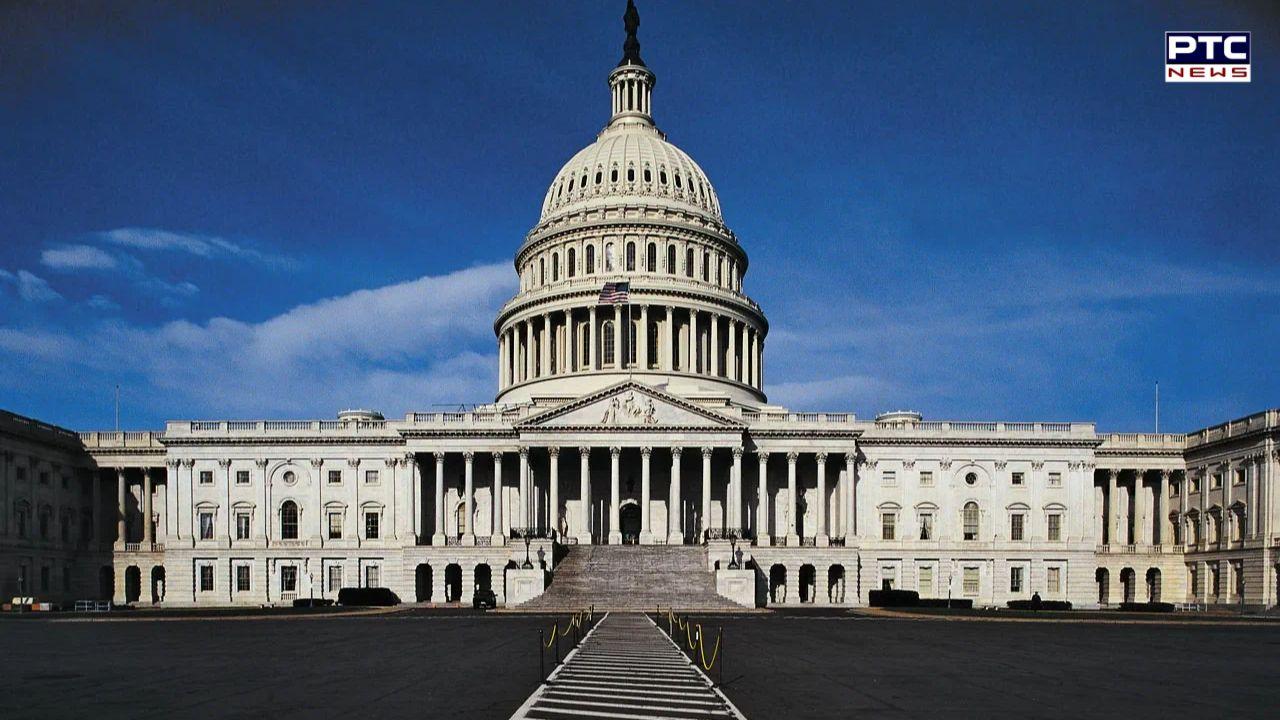
PTC Web Desk: Democrats have won back control of the US Congress in the midterm elections held on November 3. CNN projects that Democrats will take both the House of Representatives and the Senate, ending Republican control in Washington. It is a major political setback for President Donald Trump, who has two years left in his term.
Senate flips
Republicans entered Election Day holding the Senate 53 to 47. NBC News projects Democratic wins in six Republican-held Senate seats: North Carolina, South Carolina, Texas, Ohio, Kansas and Iowa. CNBC reported that Democrats are projected to reach at least 51 seats, the number needed for control because the Republican vice president can break a tie. Several of these seats are in Republican-leaning states.
One of the biggest results came in Texas, where Democrat James Talarico is projected to defeat Republican Ken Paxton, according to Decision Desk HQ.
House result
In the House, Democrats are projected to win at least 245 seats, against the 218 needed for a majority, according to an MS NOW estimate. The party was in the minority for the past four years.
What this means for Trump
Trump will now find it much harder to pass laws in his final two years, because he will need Democratic support. Democrats can also use congressional committees to investigate his administration. Democrats still fall short of the 60 Senate votes needed to overcome the filibuster, so they do not have a complete lock on Capitol Hill.
Counting is still under way in some races, so final seat totals may change.
Explainer: The US midterms in simple terms
What are the midterms?
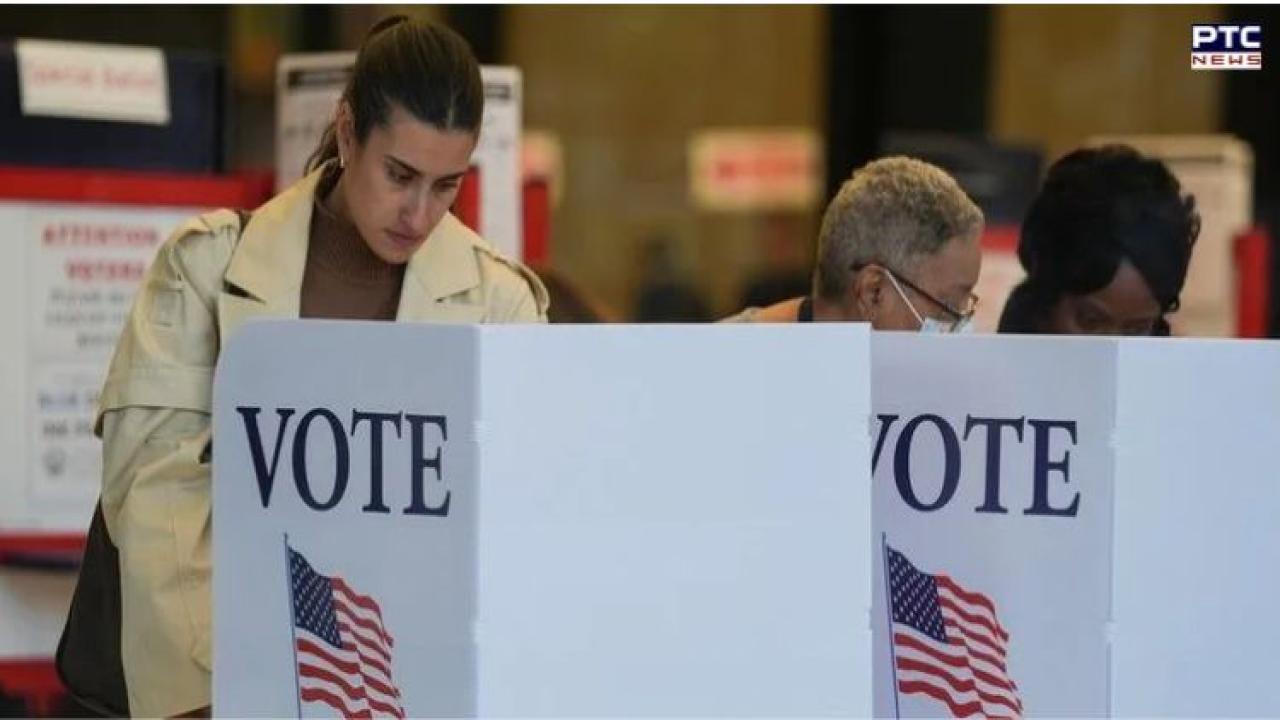
Americans elect members of Congress every two years. When the vote falls halfway through a president’s four-year term, it is called the midterms. Congress makes the country’s federal laws and has two parts, the House and the Senate. The result also acts as a verdict on how the president is doing.
Who was on the ballot?
All 435 House seats, with two-year terms and 35 of the 100 Senate seats, with six-year terms. Voters also chose state leaders, including governors in states such as California, Florida, Georgia and Michigan.
What were the key issues?
The economy: High prices for fuel, groceries, housing and healthcare. Inflation remains above the US Federal Reserve’s target, partly because of the war the US and Israel began with Iran in February. Democrats also blamed Trump’s tariffs.
Immigration: Republicans said Trump delivered on his 2024 promise by tightening the border. His crackdown on illegal immigration has often been controversial.
Artificial intelligence: Leaders in both parties want AI regulated, but Trump has rejected laws to control the technology.
Why did Trump’s party struggle?
Voters often turn against the president’s party in midterms. Trump’s approval rating had fallen from just over 50% at the start of his second term to about 37% in early October, according to Silver Bulletin, with 61% disapproving.
What happens next?
Democrats can bring their own bills to a vote and launch investigations into areas such as corruption allegations, the new White House ballroom and ICE tactics. Some Democrats have also debated impeachment, which means Congress bringing charges that lead to a political, not criminal, trial. Trump’s name was not on the ballot, but he had urged Republicans to treat the vote as a show of support for him. Trump cannot run for a third term, so speculation about the 2028 presidential race will now begin.
Also Read | US midterm elections 2026: Democrats seize US Congress, sweep five Senate seats in| What it means for India ?
- PTC NEWS