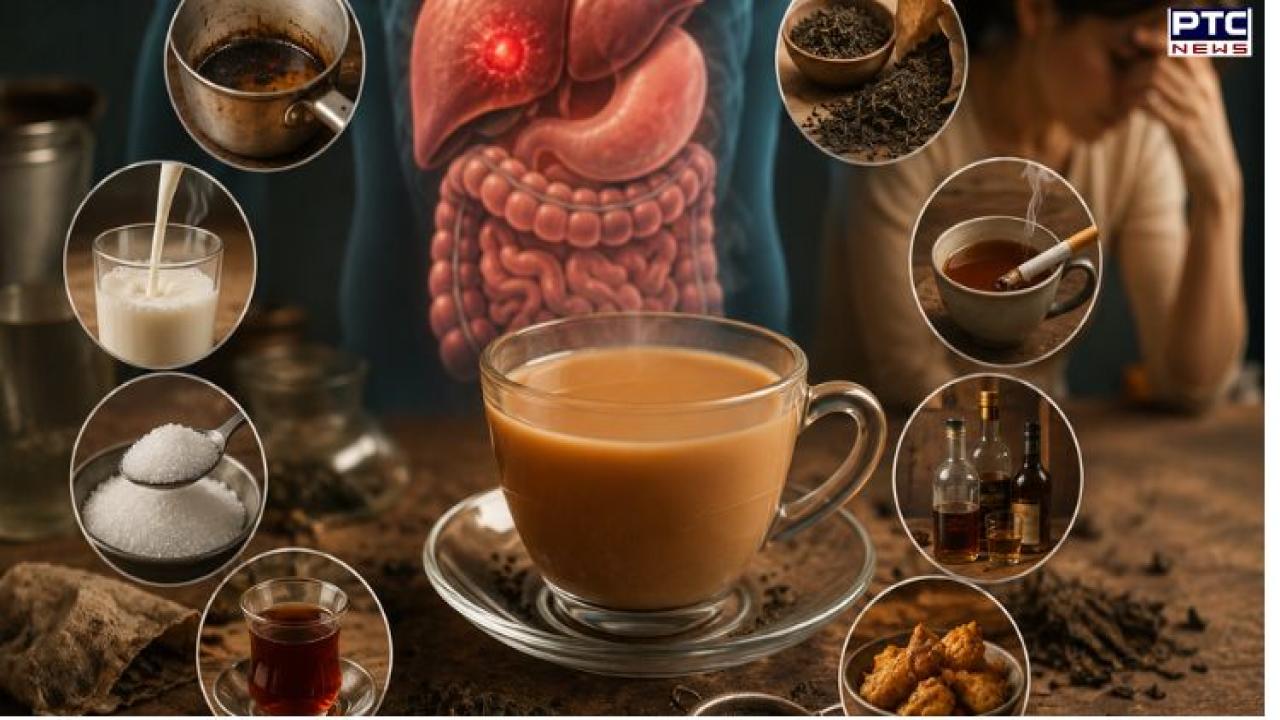
Your daily tea habit may be hurting your liver; here's how





PTC Web Desk: Tea is one of the most loved drinks around the world. People swear by it for energy, relaxation and even weight loss. But doctors and nutritionists say the way most of us drink tea is doing more harm than good.
From sipping it on an empty stomach to relying on "detox" blends, small everyday habits can quietly stress your digestive system and your liver over time.
Here are seven mistakes to watch out for and what to do instead.
1. Drinking tea first thing in the morning, before eating
Starting the day with tea on an empty stomach is one of the most common habits and one of the most damaging. Tea contains tannins and catechins that stimulate stomach acid production. Without food to buffer this acid, it can lead to bloating, nausea or acid reflux.
What to do instead: Have a light breakfast or at least a glass of water before your first cup of tea.
Also Read | Salman Khan opens up on his weight loss after fans raise health concerns, reveals 'he has lost 16 kg'
Also Read | FSSAI bans Old Monk, Royal Challenge, Bagpiper over artificial flavouring in Whisky, Rum
2. Overdoing green tea or green tea extracts
Green tea has a reputation as a health miracle and in moderate amounts, it genuinely offers antioxidant benefits. The problem starts when people drink too much of it or turn to concentrated green tea extract supplements to speed up results.
High doses of catechins and caffeine can irritate the stomach lining and, in some cases, place unnecessary stress on the liver. Health experts have increasingly flagged green tea extract supplements not brewed tea itself as a possible liver risk when taken in high concentrations.
What to do instead: Stick to two or three cups of brewed green tea a day and be cautious with extract-based supplements unless recommended by a doctor.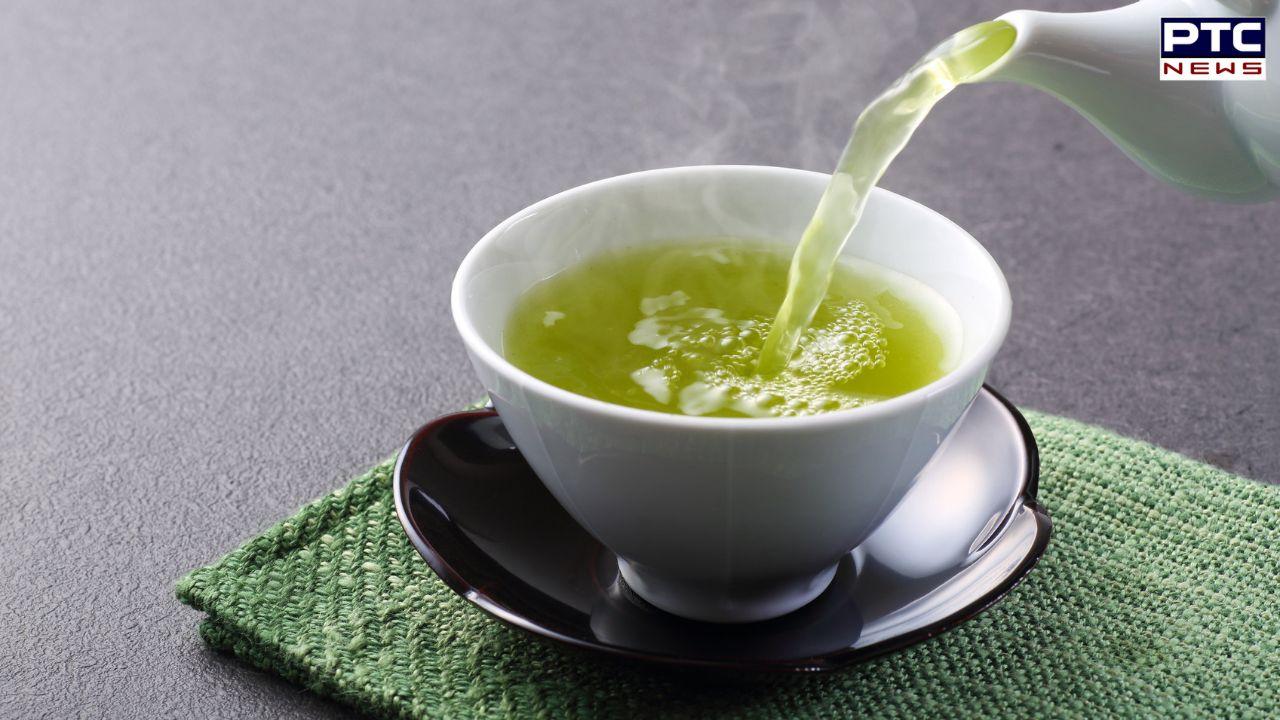
3. Reaching for 'detox' or 'weight loss' teas
Many teas marketed as detox or slimming blends contain hidden laxative ingredients. They may seem like a quick fix, but regular use can lead to dehydration, electrolyte imbalance and irritation of the intestines and stomach lining.
What to do instead: Choose plain, natural teas over trendy detox blends and check ingredient labels carefully before buying.
4. Sweetening tea with artificial sweeteners
To cut sugar and calories, many people switch to artificial sweeteners like aspartame, sucralose or saccharin in their tea. But research suggests these synthetic sweeteners can disturb the balance of gut bacteria, reducing beneficial microbes over time.
What to do instead: If you want to cut calories, use a smaller amount of natural sweetener or gradually train your palate to enjoy tea with little to no sweetener at all.
5. Drinking tea too hot
Many people like their tea piping hot, straight off the stove. But regularly drinking beverages hotter than around 65°C (149°F) has been linked to a higher risk of esophageal irritation and, over the long term, esophageal cancer.
What to do instead: Let your tea cool for a few minutes before drinking. If you can hold the cup comfortably and sip without discomfort, it's likely at a safer temperature.
6. Having caffeinated tea close to bedtime
Caffeine doesn't just keep you awake, it can also interfere with your liver's natural repair processes, which are most active during deep sleep. Drinking caffeinated tea in the evening can delay sleep onset and reduce the quality of rest your body needs to recover.
What to do instead: Switch to a caffeine-free herbal tea in the evening and keep caffeinated varieties to the morning or early afternoon.
7. Choosing bubble tea and sugary tea drinks too often
Bubble tea and similar sweetened tea beverages are popular, but the tapioca pearls are made largely of starch and sugar. Combined with sweetened syrups, regular bubble tea consumption can quietly add up to excess calorie intake, contributing to fatty liver and insulin resistance over time.
What to do instead: Treat bubble tea as an occasional indulgence rather than a daily habit, and ask for less sugar and fewer toppings when you do order it.
DISCLAIMER: This article is for general information only and is not a substitute for professional medical advice. If you have ongoing digestive or liver concerns, consult a doctor.
- With inputs from agencies