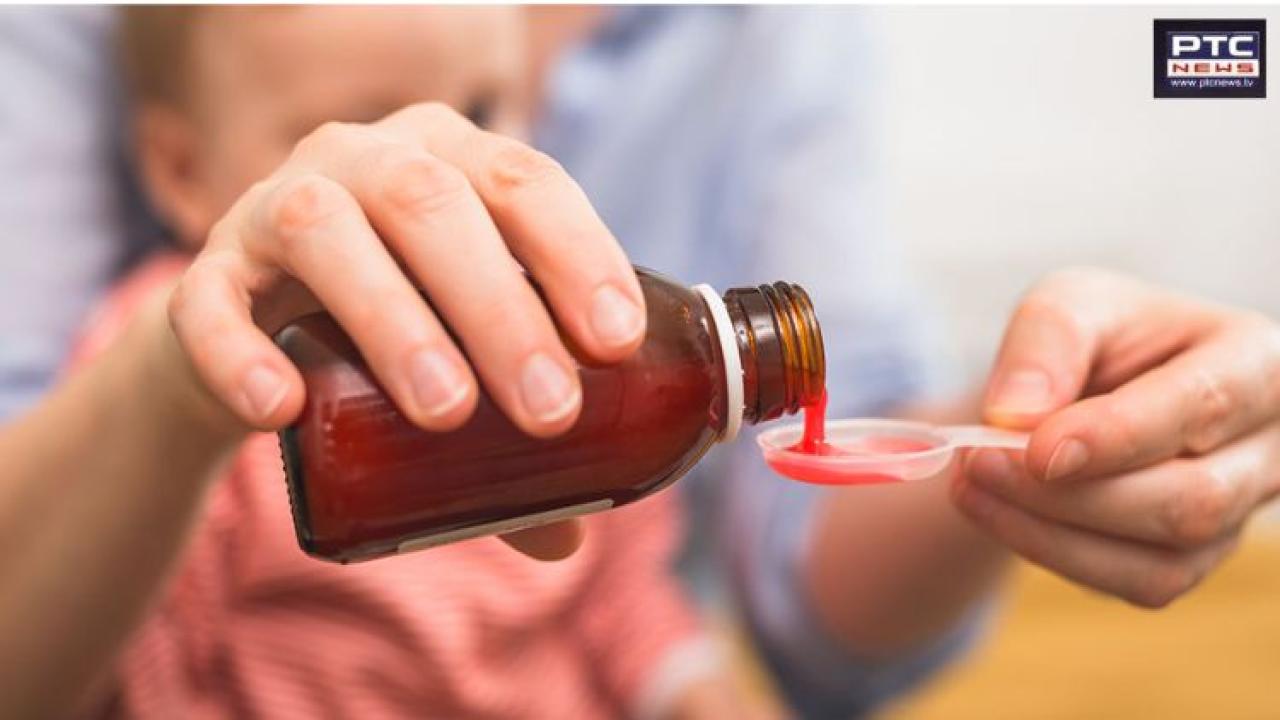
Cough syrup safety checklist: What to give your children and what to avoid ?





PTC News Desk: Following the tragic deaths of over 20 children in MP attributed to contaminated cough syrup, parents in India are left baffled and panicked over what to give their kids and what to avoid if contracted any infection.
Investigations revealed that the syrups - Coldrif, Respifresh TR, and ReLife — contained dangerously high levels of diethylene glycol (DEG), an industrial chemical known to cause kidney failure. The toxic substance in the cough syrup was found nearly 500 times more than the permissible limit, triggering massive outrage nationwide and crackdown against pharma company and subsequent arrest of owner.
In view of the tragic deaths, the government has ordered product recalls and tightened quality checks and urged parents to avoid over-the-counter cough syrups for children.
COUGH SYRUP SAFETY CHECKLIST
Before buying cough syrup for yourself or your children, it is essential to know what to look for. Parents should be careful about specific ingredients that can be risky, especially for young children.
Manufacturer Details
Always verify that the syrup label includes the full name and address of the manufacturer, as well as the batch number. Avoid using products from unknown or unverified brands, especially those you haven’t heard of before. When uncertain, conduct a quick online search — genuine pharmaceutical companies typically have a verified online presence.
Manufacturing & Expiry Dates
Check that both the manufacturing and expiry dates are clearly printed on the bottle. Do not use syrups with missing, altered, or unclear dates. Reject any bottle that is expired or nearing expiry.
Composition / Ingredients
Ensure that Propylene Glycol is listed as the solvent — it is safe for human use.
Avoid syrups that contain or may contain Diethylene Glycol (DEG) or Ethylene Glycol (EG), as these are industrial-grade chemicals that can be extremely toxic.
If the syrup does not specify its ingredients or solvents, treat that as a serious warning sign.
Certain Fixed Dose Combinations (FDCs) are considered unsafe or irrational and should be avoided, such as:
Maxtra drops/syrup
Ascoril drops/syrup
Timnic / Coriminic preparations
Drug License Number
Every syrup must display a valid DL or MFG license number issued by the state drug authority. This ensures traceability and accountability. Any syrup without a license number should not be used.
WHO-GMP / ISO Certification
Choose syrups marked as “WHO-GMP Certified” or bearing an ISO certification, as these indicate compliance with international quality standards. Be wary of fake or lookalike logos, which may signal counterfeit or substandard medicines.
Age and Dosage Instructions
Check that the label provides clear, age-appropriate dosage instructions — particularly for children under 12. Avoid syrups claiming a “universal dose” or stating they are “safe for all ages,” as such claims are scientifically unreliable.
- PTC NEWS