Delhi prepares for pollution curbs from Nov 1: What's banned and what's allowed under GRAP 1 rules ?



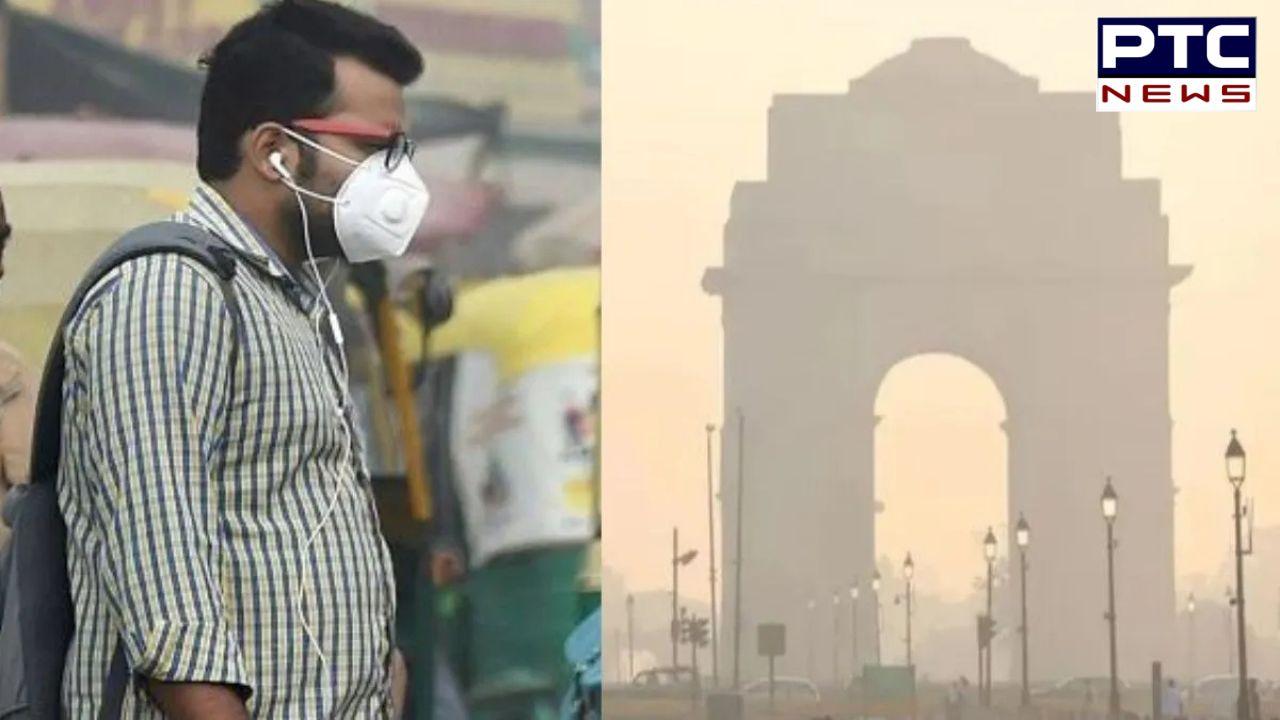
PTC News Desk: Delhi will introduce several measures to reduce air pollution from November 1, including restrictions on some vehicles, a ban on dust-producing construction work and higher parking charges.
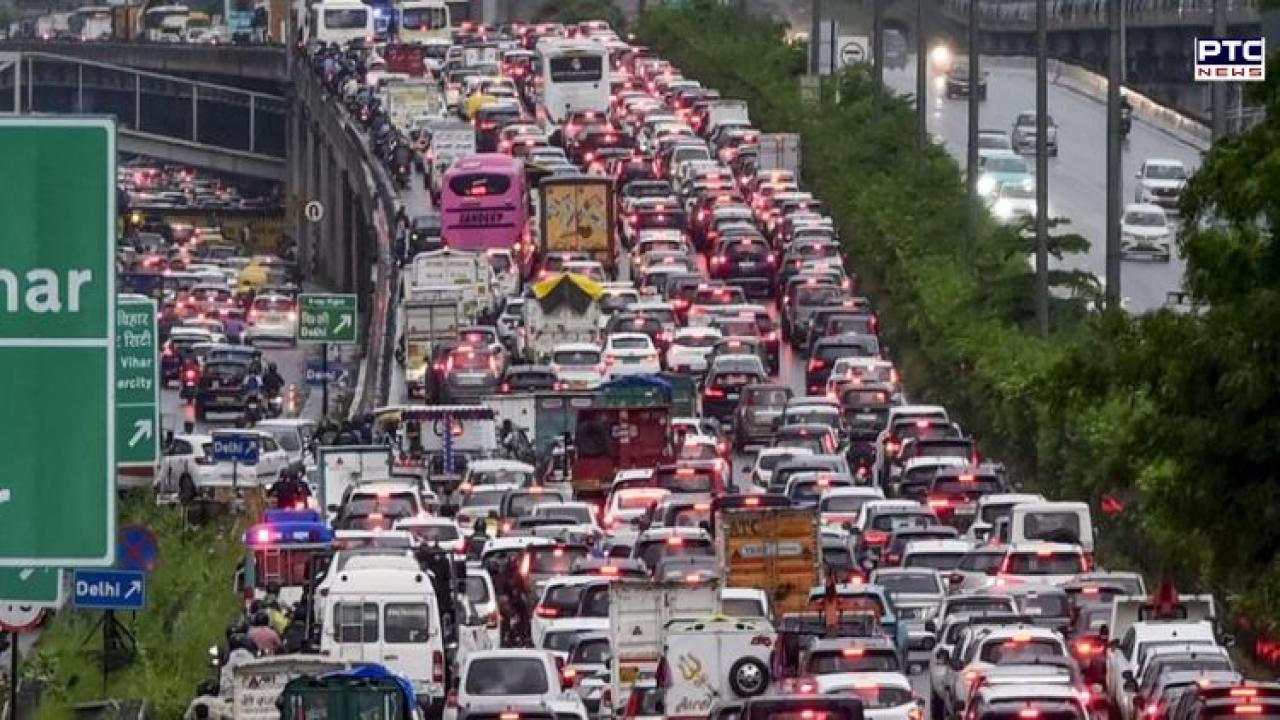
Under an order issued by the Delhi government’s Environment and Forest Department, vehicles registered outside Delhi that do not meet BS-VI emission standards will be barred from entering the capital from November 1 to January 31.
Vehicles running on CNG or electricity, along with emergency vehicles such as ambulances, fire engines and police vehicles, will be exempt. Transport Department estimates suggest the restriction could affect more than 10 lakh vehicles from Gurugram, Faridabad, Noida, Greater Noida and Ghaziabad.
Dust-generating demolition and outdoor construction work will also be prohibited from November 1 to January 31, except for essential public infrastructure projects. Finishing, plumbing and electrical work may continue if dust-control rules are followed. From December 20 to January 20, all construction and demolition work, including indoor activities, will be stopped.
Revised office timings
To reduce rush-hour traffic, MCD offices will operate from 8.30 am to 5 pm, while Delhi government offices will work from 10 am to 6.30 pm between November 1 and February 28.
Government and private offices must also ensure that no more than half their staff are physically present from November 1 to January 31. The remaining employees will work from home. Private offices have been asked to use staggered work hours and encourage carpooling, ride-sharing and public transport.
Hospitals, fire services, public transport, electricity and water supply, sanitation and disaster management agencies are exempt from the work-from-home rules.
Resident welfare associations, housing societies, offices and contractors will be responsible for preventing the open burning of waste, leaves, biomass, garbage and plastic on their premises. They must provide workers with heating facilities using electricity or other approved clean fuels.
Authorities have also been asked to monitor violations, including through drones, especially at night. Those who break the rules may face action under the Environment (Protection) Act, 1986, including prosecution, environmental compensation or the sealing or closure of premises.
- PTC NEWS