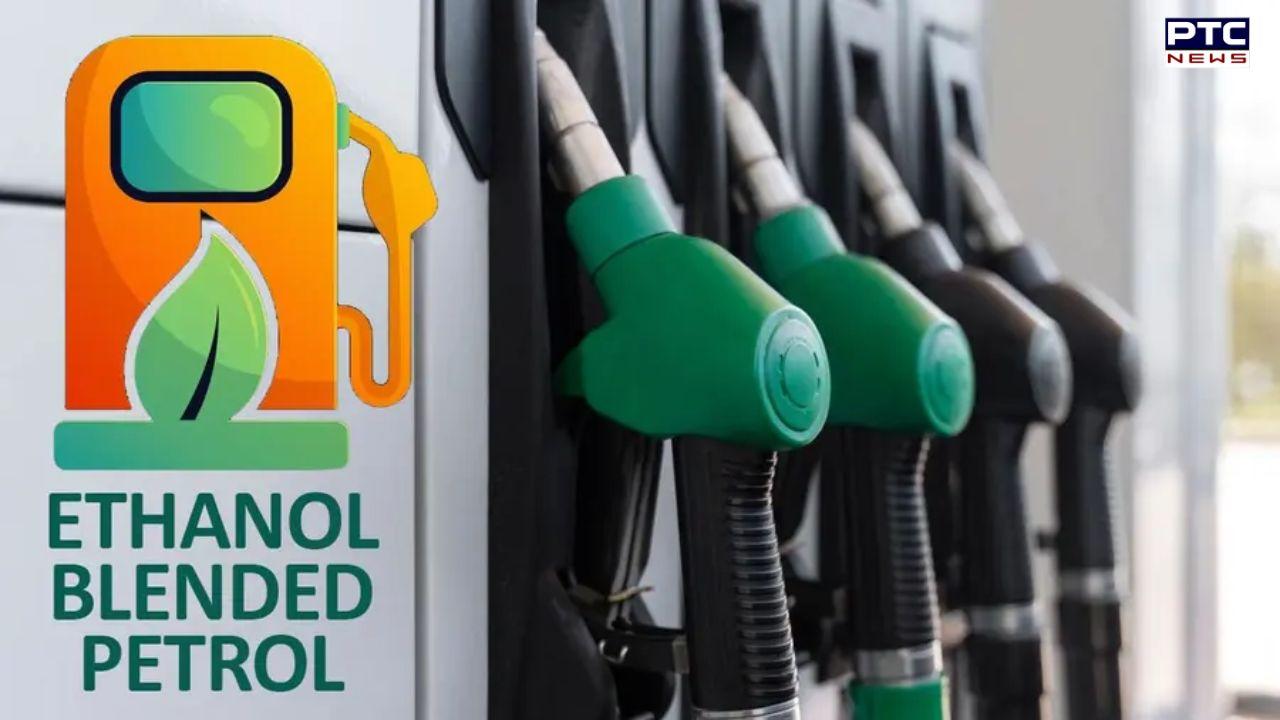
No sugarcane juice or syrup for ethanol this year: Oil companies tighten rules for 2026-27



PTC Web Desk: India’s state-run oil marketing companies have decided that sugarcane juice, sugar syrup and B-heavy molasses can no longer be used to make ethanol for the 2026-27 supply year. Indian Oil, Bharat Petroleum and Hindustan Petroleum have floated tenders for about 11 billion litre of ethanol, and offers based on these feedstocks will not be accepted.
The move is meant to keep sugar prices steady in the domestic market and protect the country’s stock. Rainfall has been poor in major cane-growing states such as Maharashtra and Karnataka, which has made people worry about the next crop. With the harvest uncertain, the government appears to be putting sugar supply ahead of fuel.
What distillers can use instead
Ethanol makers will now have to switch to other raw materials to honour their supply contracts. The tender documents allow ethanol made from maize, broken rice, damaged foodgrains and C-heavy molasses. Surplus rice bought through the Food Corporation of India is also allowed.
Buying ethanol from outside sources remains banned. Every company taking part must produce the fuel in its own licensed distillery.
Lower incentive for maize ethanol
The oil companies have also trimmed the extra payment for maize-based ethanol from Rs 5.79 to Rs 2.79 per litre. As a result, the procurement price drops from Rs 71.86 to Rs 68.86 per litre. Producers who rely on maize are likely to see smaller margins.
Why it matters
The supply period runs from November 2026 to October 2027. How well this round of procurement works will depend on grain availability, transport arrangements and how crop prices move in the open market.
The decision is also tied to the E20 programme, under which petrol is blended with 20 per cent ethanol. The idea is to keep the programme going without hurting food security.
India is the world’s largest consumer of sugar and ethanol blending has helped the country cut its dependence on imported crude oil. But using sugar and sugarcane for fuel can leave less for the kitchen when production falls short, and that is the balance the government is trying to manage.
- PTC NEWS