Flight operations take off at Navi Mumbai International Airport, flights receive water canon salute





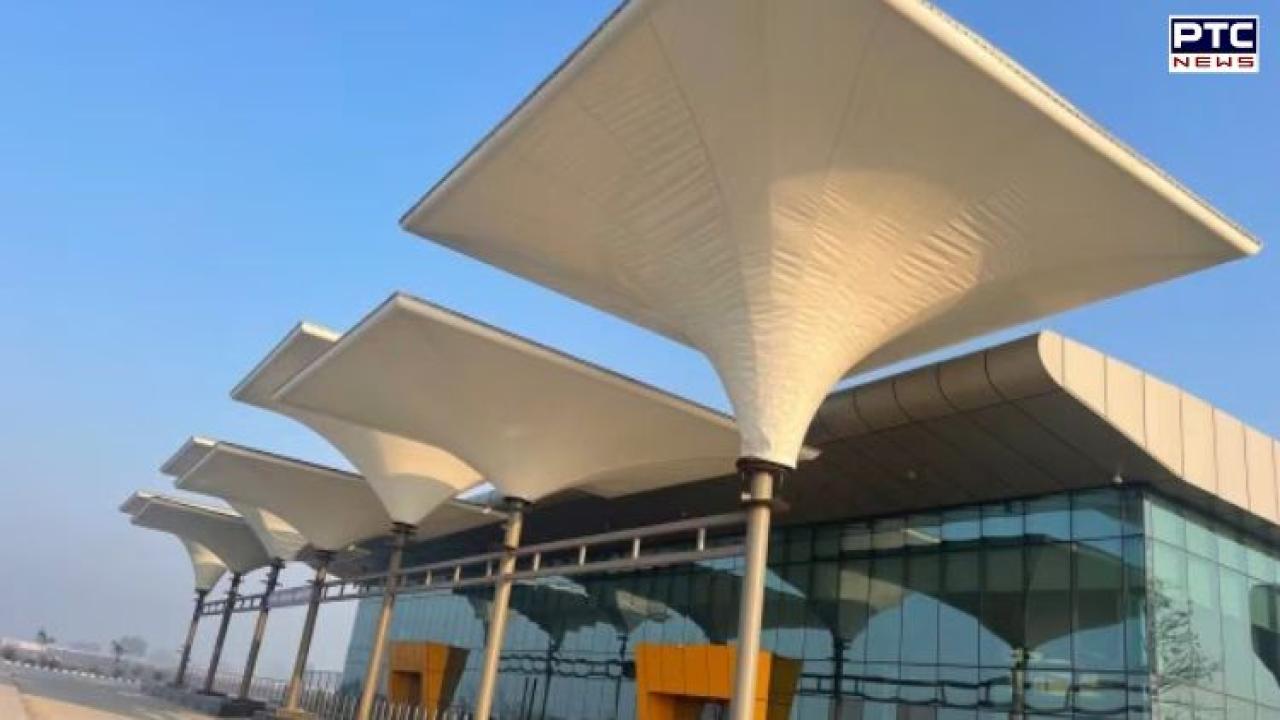
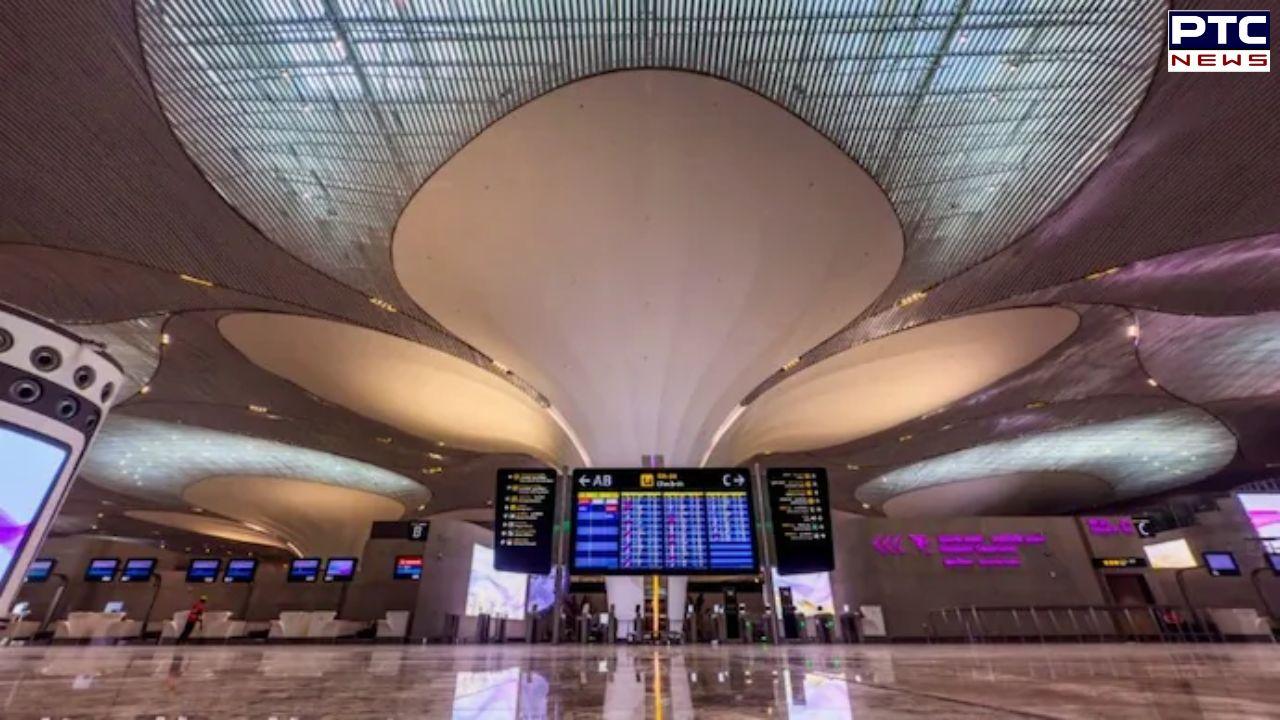
PTC News Desk: The commercial flights commenced operations at the Adani Group-promoted Navi Mumbai International Airport (NMIA) on Thursday, marking a significant milestone for India's financial capital. The first arrival and departure flights at the airport were marked by a traditional water cannon salute.
The operations will formally transition towards a multi-airport system after years of congestion at the existing Mumbai International Airport.
Domestic flights by IndiGo, Akasa Air, Air India Express and Star Air will connect the new airport to multiple Indian cities from day one, with IndiGo’s Bengaluru-Navi Mumbai service scheduled to be the first arrival at 8 am and a Hyderabad-bound flight marking the first departure at 8:40 am.
The greenfield airport, which was first planned in 1997 by Maharashtra’s planning body CIDCO, has finally started operations almost eight years after construction picked up. The project also faced delays due to the Covid-19 pandemic.
Prime Minister Narendra Modi laid the foundation stone in 2018 and officially inaugurated the airport on October 8 this year.
On its first day, domestic flights will be operated by IndiGo, Air India Express, Akasa Air and Star Air, linking Navi Mumbai International Airport to nine cities across the country. In the initial stage, the airport will function for 12 hours a day, from 8 am to 8 pm, with up to 24 flights daily to 13 destinations and the ability to handle about 10 aircraft movements per hour.
The airport is being developed by Adani Airports Holdings Limited, a unit of Adani Enterprises, through Navi Mumbai International Airport Ltd. The Adani Group owns a 74% stake in the project, while CIDCO holds the remaining 26%.
Since 2021, Adani Airports Holdings Limited has been responsible for building the airport and preparing it for operations.
The first phase of the project has been completed at a cost of ₹19,650 crore. The airport covers 1,160 hectares and currently has one terminal and one runway, with the capacity to handle 20 million passengers each year.
- PTC NEWS