India steps up security along Nepal border after violent protests and PM Oli’s resignation





PTC Web Desk: India has stepped up security along its 1,751-km border with Nepal after violent protests erupted in the neighbouring Himalayan nation, forcing Prime Minister KP Sharma Oli to resign under mounting public pressure. The unrest, driven largely by angry youth, has left at least 19 civilians and three policemen dead.
Security agencies said additional state police personnel have been deployed alongside the Sashastra Seema Bal (SSB) to prevent unrest from spilling over into Indian territory. "An alert has been issued across the India-Nepal border in view of the situation in Nepal. The SSB is maintaining strict vigil," an official told ANI.
Normally, citizens of both countries enjoy free movement under the 1950 Treaty of Peace and Friendship. But amid heightened tensions, restrictions have been imposed.
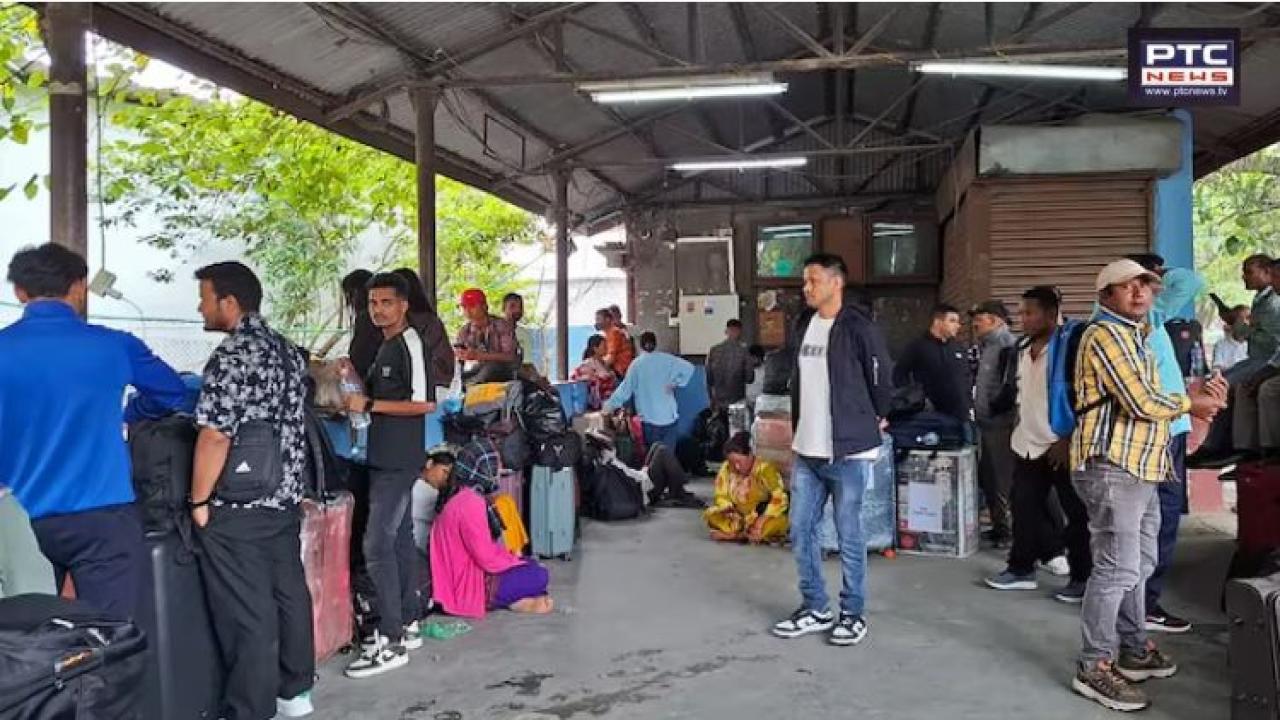
At Gauriphanta border in Uttar Pradesh’s Lakhimpur Kheri, Indian authorities stopped Nepali citizens from entering India, while Indians stranded in Nepal were allowed to return home.
Nepal, in turn, barred entry to Indian citizens, though it permitted Nepali nationals working or travelling in India to go back.
In West Bengal’s Darjeeling district, trade was hit as goods trucks remained stranded at the Panitanki border crossing.
"We have set up a special police post with additional deployment. The situation is being closely monitored," said Superintendent of Police Praveen Prakash. Similar alerts have been sounded across Bihar, Uttarakhand, and Sikkim.
India issues travel advisory
The Ministry of External Affairs (MEA) advised Indian citizens in Nepal to remain cautious and defer all non-essential travel. "As a close friend and neighbour, we urge restraint and peaceful dialogue to resolve the crisis. Indian nationals are advised to follow safety instructions issued by Nepali authorities," the ministry said, while also expressing condolences for the loss of lives in the violence.
Meanwhile, flights between India and Nepal have been suspended as several airports in Nepal remain closed.
Unrest in Nepal
The protests began after the government attempted to impose a ban on social media, sparking outrage among tech-savvy but unemployed Nepali youth already disillusioned by political instability, corruption, and slow economic growth.
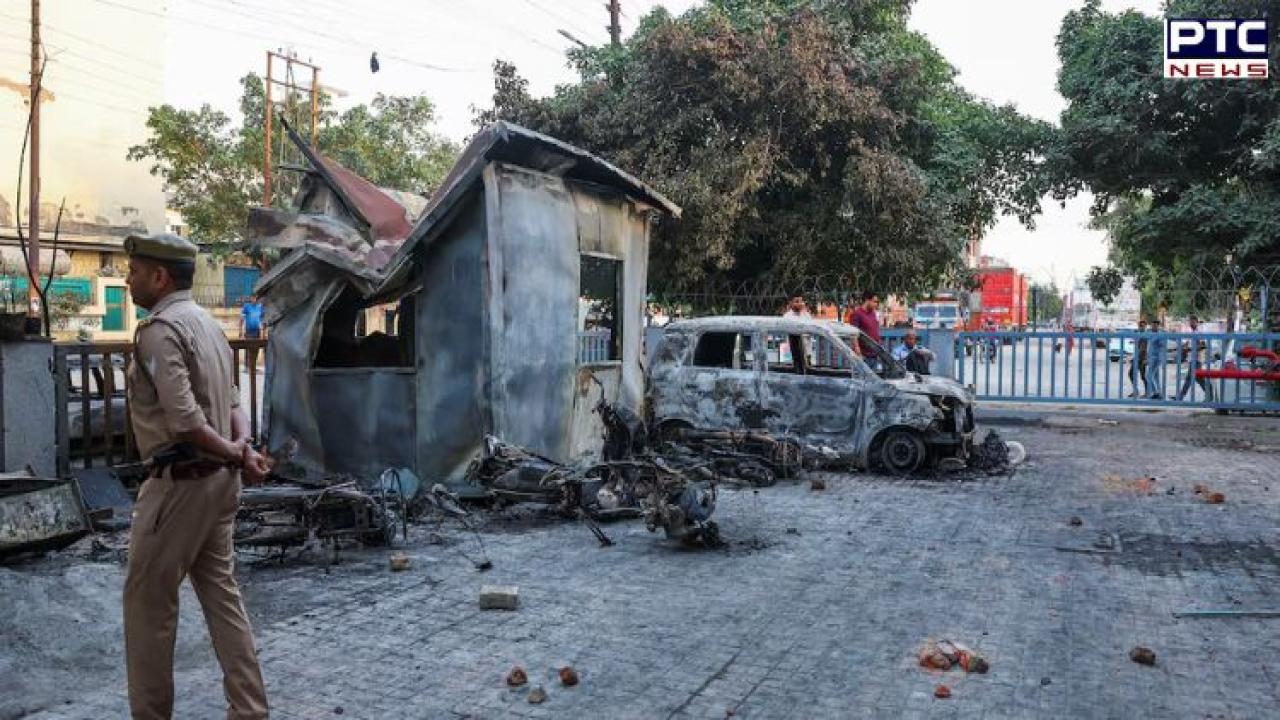
Demonstrations turned violent in Kathmandu and other cities, with protesters setting fire to parliament and government buildings. Following the unrest, the Nepal Army enforced curfews and nationwide restrictions, deploying troops to prevent arson, looting, and further clashes.
The resignation of 73-year-old KP Sharma Oli, however, has so far failed to pacify the protesters, with public anger continuing to simmer.
- With inputs from agencies