AI image generation uses more water and electricity than text chats; here's what the 1980s photo trend is costing




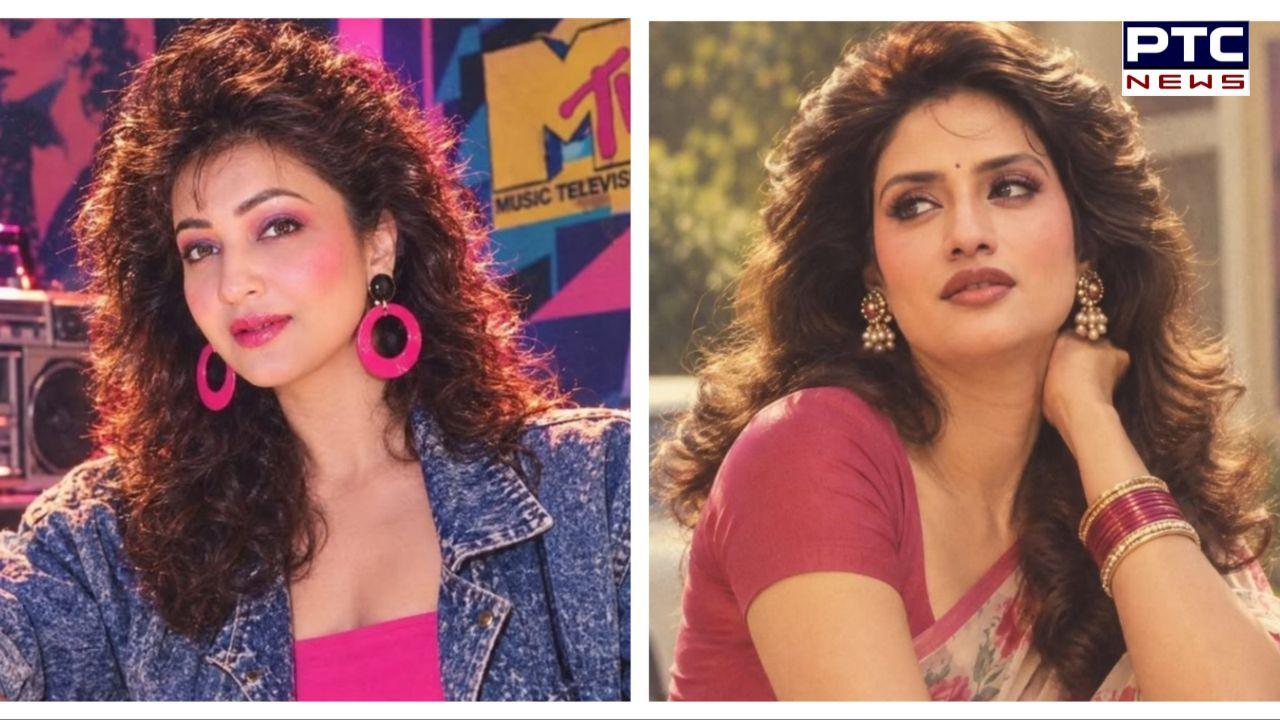
PTC Web Desk: Millions of people in the last two-three days turned their phone selfies into 1980s-style portraits using AI chatbots --- big hair, film grain, neon lighting, the works. It was fun, it was easy and it took over every social feed. But behind the nostalgia, there's a cost most people never think about.
Every image an AI tool creates uses real electricity and real water. Data centres that power these tools need constant cooling and that cooling depends on huge amounts of water and power drawn from the grid. One picture on its own barely registers.
The problem is scale. When millions of people generate photo after photo, chasing the "perfect" version and discarding the rest, those small costs add up fast. Researchers tracking data-centre growth expect global electricity demand from these facilities to more than double by 2030, with AI workloads driving a large share of that rise. In the US alone, AI-linked data centres are projected to add billions of gallons a year to water consumption.
Generating an image also takes more computing power than answering a text question, so a trend built entirely around pictures is heavier on infrastructure than an ordinary chat. None of this means one selfie is going to sink a coastline. But climate researchers are increasingly clear that AI's footprint is one factor among many pushing up emissions and unlike a lot of the bigger contributors, it's one people can actually choose to use less of.
Then there's the part people talk about even less: what happens to the photo itself.
To get that retro look, you have to hand over a clear, well-lit photo of your face, and sometimes several. Security researchers have been warning for months that high-resolution selfies carry more than just a nice picture. Facial geometry, skin texture and even fingerprint ridges in close-up shots can, in the wrong hands, be pulled out and reused. Unlike a password, a face can't be reset once it's out there.
The bigger worry for most experts isn't a hacker stealing one photo. It's what companies themselves do with the data. Many people assume their photo disappears after the app spits out a result.
In reality, some platforms hold on to uploaded images and few users read the terms and conditions closely enough to know whether their picture could end up training the next version of the model. Regulation on this is patchy at best; outside a handful of specific laws, there's no strong general rule stopping a company from reusing a selfie you uploaded for fun.
None of this makes AI the villain of the climate story or proof that every AI tool is unsafe. It has plenty of genuinely useful applications. But a trend like this ---pictures made purely for a laugh, deleted in a week, with little thought given to where the original photo goes --- is a fair place to ask whether the fun is worth the trade-off.
Also Read | 1980s AI photo trend: Bellbottoms, big hair & AI: Why your Instagram feels like 1985 right now
There's a simpler alternative sitting in most homes already: an actual camera, a mirror and maybe a jacket or dress pulled from a parent's old wardrobe. It costs nothing, uses no server and doesn't require handing your face to anyone.
AI is a tool, not a hobby that has to be used constantly. Save it for when it's genuinely useful and think twice before the next viral filter asks for your face.
- With inputs from agencies