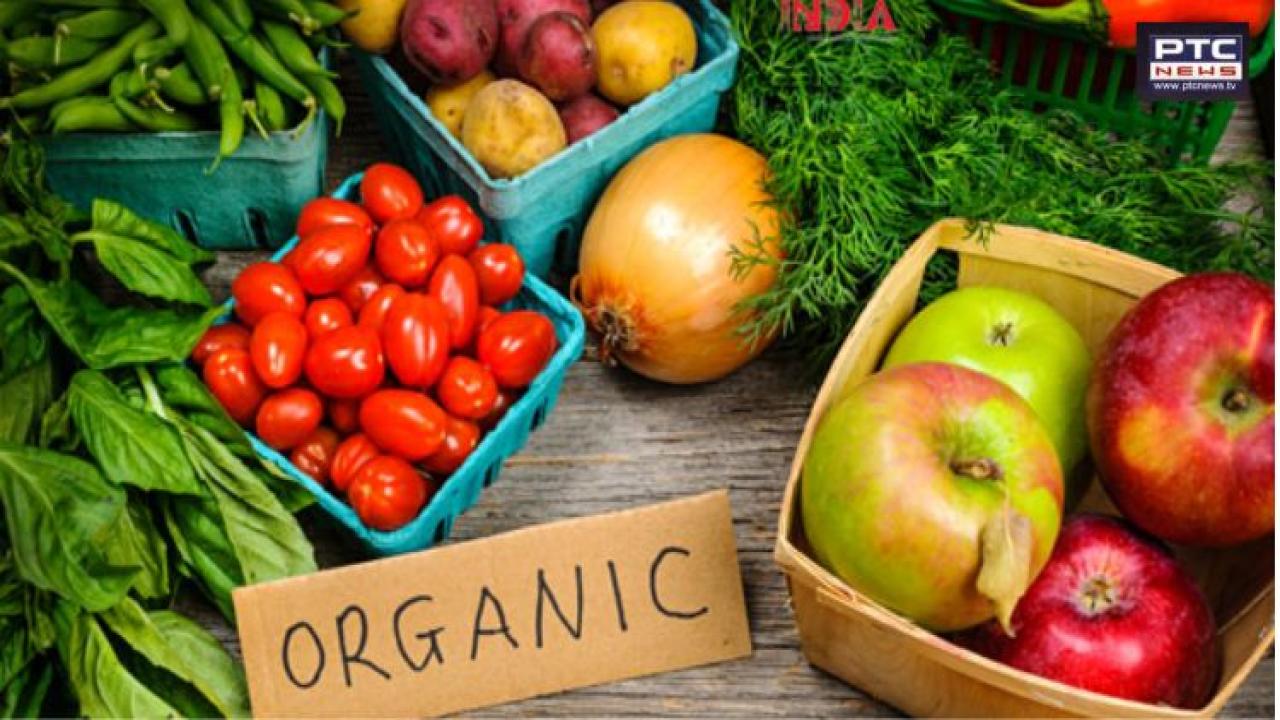
Organic vs conventional produce: What science really says about health benefits





PTC Web Desk: The debate over whether organic foods are healthier than conventionally grown produce has persisted for years. While many assume that organic automatically means better nutrition and lower risks, scientific evidence offers a more nuanced perspective.
Dr Trisha Pasricha, a Harvard-trained gastroenterologist and contributor to The Washington Post’s “Ask a Doctor” column, recently addressed this question in an Instagram video posted by The Washington Post. She clarified the differences between organic and conventional foods, particularly focusing on nutritional content and pesticide exposure.
Nutritional Content
According to Dr Trisha Pasricha, both organic and conventional fruits and vegetables provide almost identical levels of essential nutrients. “Studies have found that organic and regular produce have similar levels of most nutrients,” she said, suggesting that nutritional value alone may not justify a preference for organic foods.
Pesticide exposure
The main distinction lies in pesticide residues. Dr Trisha explains that organic produce carries about 30% lower risk of pesticide contamination. While this reduction is beneficial, she notes that the trace amounts of pesticides present in conventional produce are not conclusively linked to harm in healthy adults. “High exposure, such as what farmers experience, is dangerous, but trace amounts in food are considered safe,” she added.
Research indicates that pregnant women and young children may derive greater benefits from consuming organic foods. Studies linking positive health outcomes to organic diets are often influenced by the overall healthy lifestyle of those who choose organic.
Dr Trisha says prioritise a diet rich in diverse fruits and vegetables and limit ultra-processed foods rather than stressing over whether your produce is organic. It as as simple.
- With inputs from agencies