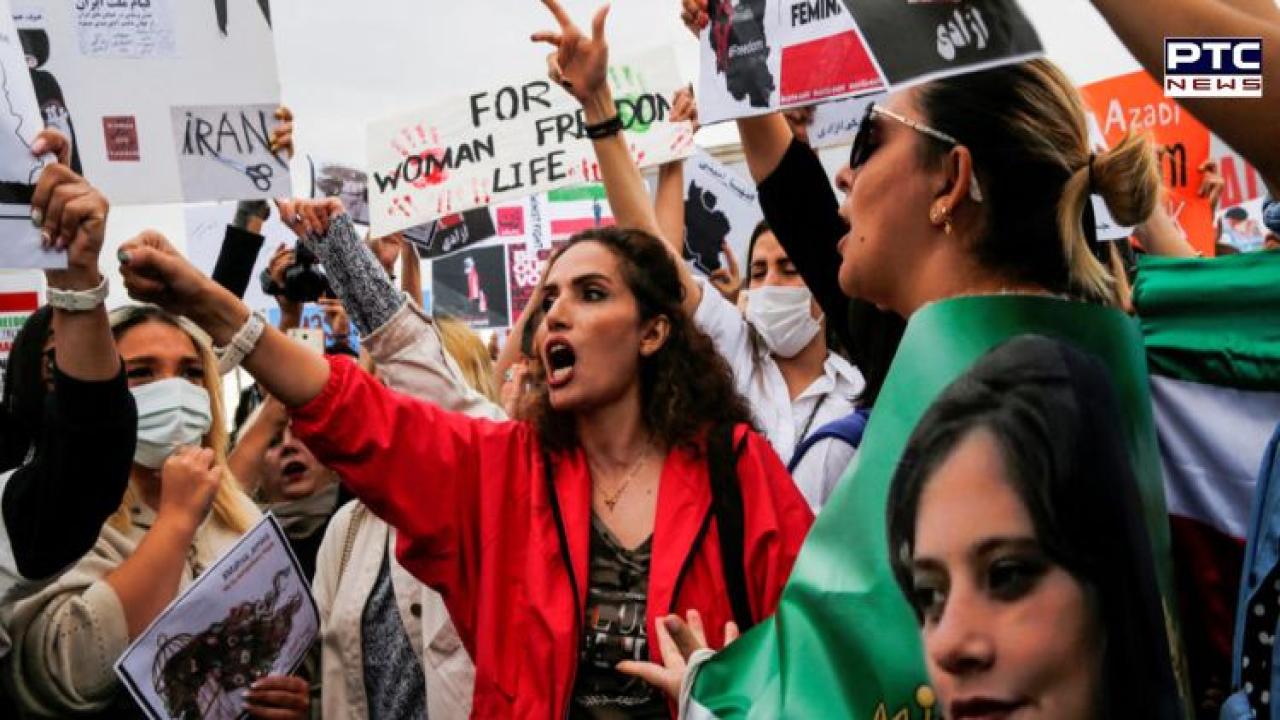
Iran protests turn deadly as New Year unrest spreads beyond cities; at least 7 killed




Iran protests: Iran has witnessed a sharp escalation in nationwide protests as demonstrations against Supreme Leader Ayatollah Ali Khamenei turned violent with the arrival of the New Year. According to reports citing Iranian media and rights groups, several protesters and at least seven persons have been killed in clashes between demonstrators and security forces.
What began as urban protests has now expanded into rural and semi-urban regions, signaling a wider and more volatile phase of unrest.
Students, traders lead anti-government protests
University students in Tehran were among the first to take to the streets, chanting slogans such as “Death to the dictator” and expressing support for Reza Pahlavi, son of Iran’s last monarch, Shah Mohammad Reza Pahlavi, who was overthrown during the 1979 Islamic Revolution.
Slogans praising the former Shah echoed in parts of the capital, reflecting growing public anger toward the current clerical establishment.
Reza Pahlavi voices support from exile
Reacting to the protests, Reza Pahlavi, who lives in exile in the United States, posted on X, expressing solidarity with demonstrators. He said Iran’s economic crisis would persist as long as the present leadership remains in power, adding that unity among protesters would ultimately bring change.
Deaths reported in multiple provinces
Fatal incidents have been reported from several regions, including Lordegan, Kuhdasht and Isfahan. Iranian state-linked media and Kurdish rights group Hengaw confirmed deaths during clashes, though accounts differ over who was responsible.
While state-affiliated outlets claimed some protesters were armed, rights groups alleged that security forces used live ammunition. Independent verification of these claims remains difficult due to restrictions on media access.
Basij paramilitary involvement sparks controversy
The Islamic Revolutionary Guard Corps (IRGC) confirmed that a member of its affiliated Basij volunteer force was killed in Kuhdasht, with several others injured. Authorities accused demonstrators of exploiting public discontent to incite violence.
However, rights groups disputed this version, claiming the deceased Basij member was himself participating in protests and was killed by security forces.
Protests spread despite detentions
Activist networks reported fresh demonstrations and arrests in provinces, including Kermanshah, Khuzestan, Hamedan and Fars. In several cities, shop closures and strikes by merchants disrupted daily life, forcing authorities to shut major bazaars.
The government declared a nationwide holiday citing severe cold, effectively limiting movement and gatherings.
Economic crisis at the heart of unrest
Iran is currently facing its worst wave of protests in nearly three years, driven largely by economic hardship. Inflation climbed to 42.5% in December, while the Iranian rial reportedly lost about half its value against the US dollar in 2025.
Western sanctions, combined with the fallout from recent Israeli and US airstrikes targeting Iran’s military and nuclear infrastructure, have further weakened the economy.
Government signals dialogue, maintains security
Government spokesperson Fatemeh Mohajerani said authorities were willing to hold talks with trade unions and merchant groups. However, security forces remain deployed across key regions, reflecting Tehran’s dual approach of dialogue and suppression.
A familiar pattern of crackdowns
In recent years, Iranian authorities have routinely cracked down on protests over economic mismanagement, water shortages, women’s rights, and political freedoms. Arrests, internet restrictions, and heavy security presence have become standard responses during periods of unrest.
Why are people protesting in Iran? (Key Reasons)
- With inputs from agencies