Fresh flood threat looms over Nepal-China border; newly formed barrier lake likely to breach within next three days





PTC Web Desk: A fresh flood threat is emerging along the Nepal-China border, with Chinese authorities warning that a newly formed barrier lake could breach within the next three days and send another powerful surge of water downstream.
The warning comes just a day after a glacier-related disaster unleashed a devastating flood in Nepal's Bhotekoshi River and a separate mudslide struck China's Gyirong Port, leaving the region facing a rapidly evolving emergency.
Also Read | What caused catastrophic floods in Nepal? US monitor points to 'glacial collapse' not quake
Also Read | A new challenge: where to keep the dead
Nepal's Department of Hydrology and Meteorology (DHM) has said the August 26 flood was not triggered by rainfall. Satellite observations suggest that a large section of glacier, believed to have broken away from the northern face of Langtang Lirung at an altitude of around 5,200 metre, plunged nearly 1,200 metre into the Lhende River.
The Lhende is a tributary of the Bhotekoshi River.
The massive fall of ice and rock temporarily blocked the narrow river valley, effectively creating a natural dam. The obstruction then gave way, releasing a fast-moving mixture of water, mud, ice and rocks downstream.
The flood surge moved towards several districts, including Rasuwa, Nuwakot, Dhading, Gorkha and Chitwan.
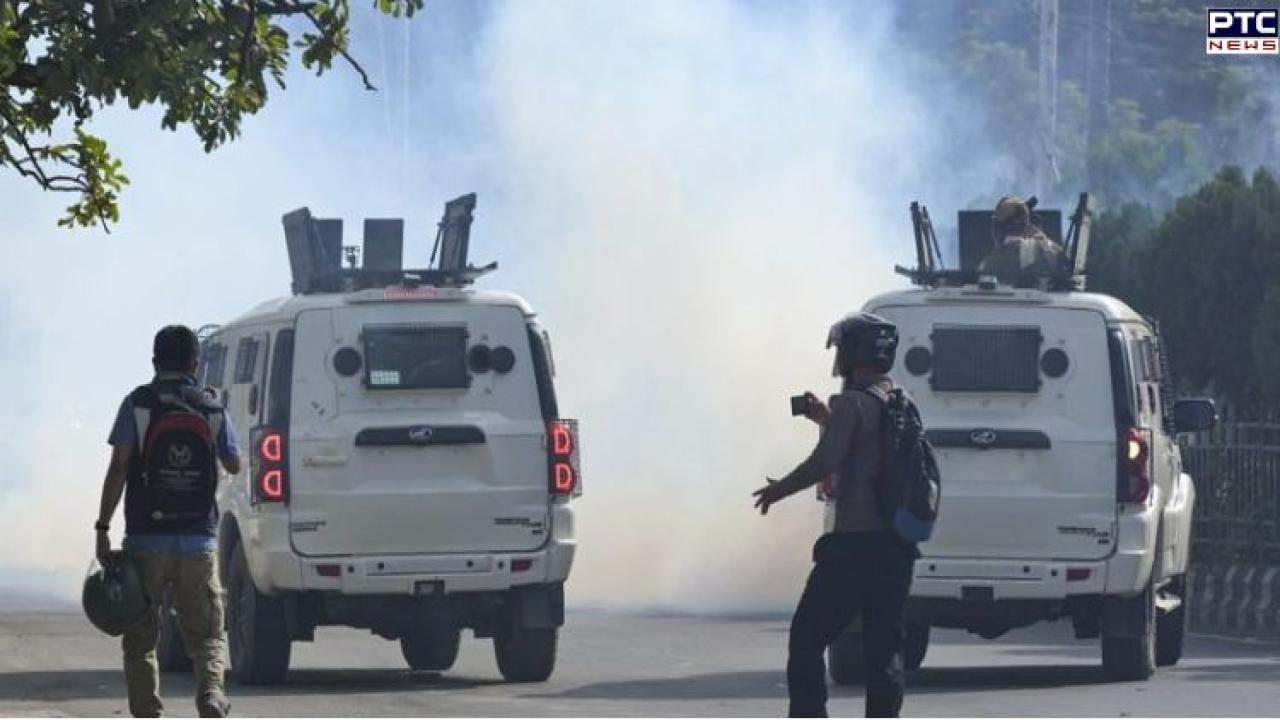
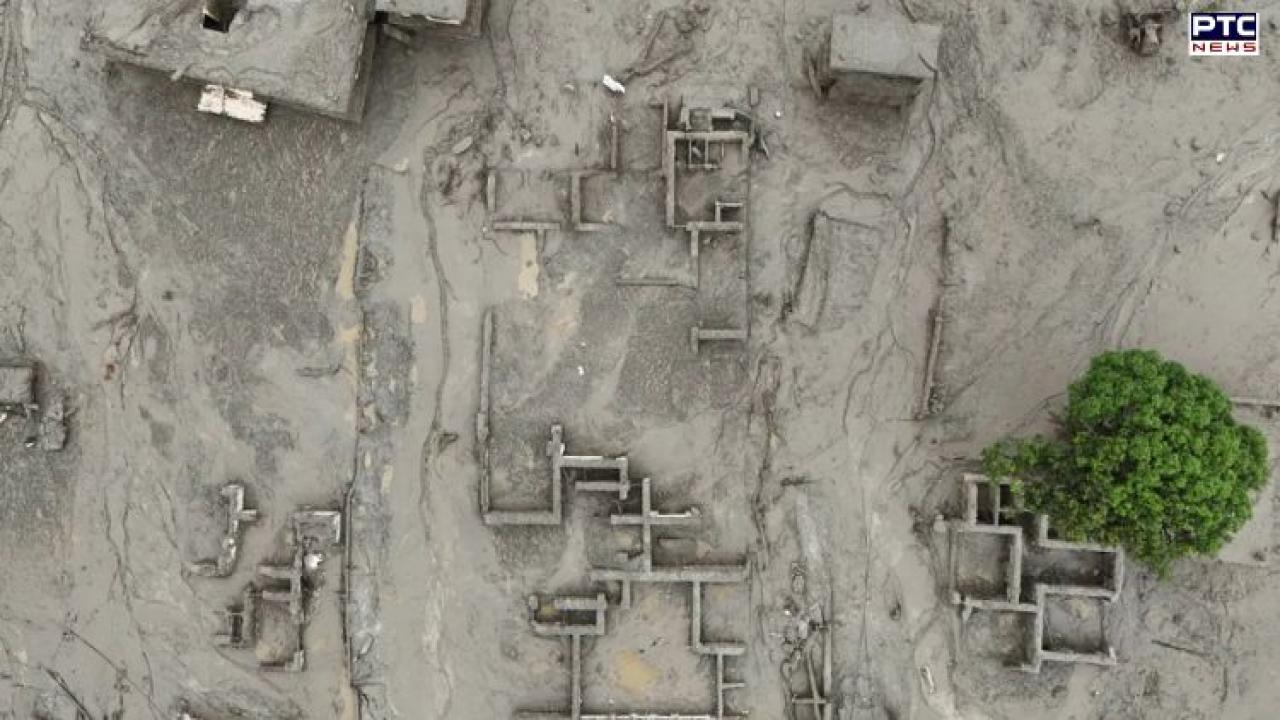
On the Chinese side of the border, a separate mudslide struck the area around Gyirong Port in China's Xizang region on the same morning.
Gyirong is an important trade route connecting China and Nepal.
Chinese state broadcaster CCTV reported that mud had accumulated to depths of more than five feet in some areas, while roads and communication links were disrupted.
By Thursday morning, Chinese authorities had confirmed three deaths, while 558 persons were still reported missing. President Xi Jinping has directed authorities to intensify search and rescue operations.
Officials have not yet established whether the Chinese mudslide and the Bhotekoshi flood were directly connected.
The latest concern centres on another potentially dangerous development upstream. China's Ministry of Water Resources has reported the formation of a barrier lake near the meeting point of the Chhochen Khola and Purepu Tsangpo rivers.
The lake was estimated to contain around 2 million cubic metre of water by Thursday morning and had already begun overflowing. Officials estimate that another 3 million cubic metre could enter the lake over the next three days. That has raised concerns that the natural barrier could fail and release a new flood wave.
Chinese engineers are conducting flood-flow simulations and preparing for a possible breach. On the Nepal side, authorities have urged people living near the Bhotekoshi, Trishuli and Narayani rivers to avoid riverbanks until further notice.
The first flood wave entered Nepal at around 9 am on Wednesday, according to DHM data. The surge eventually reached Devghat in Chitwan later that afternoon, where the flow peaked at nearly 5,850 cubic metre per second.
Officials estimate that approximately 20 million cubic metre of additional water passed through Devghat.
The scale was several times larger than the volume associated with the 1985 Dig Tsho glacial flood in the Everest region. The flood travelled roughly 170 km downstream within just a few hours, highlighting the speed at which such Himalayan events can turn into major disasters.
- With inputs from agencies