Pakistan imposes emergency in Khyber Pakhtunkhwa, ousts Imran Khan's last PTI govt





PTC News Desk: The Shehbaz Sharif government on Sunday imposed emergency and governor’s rule in Khyber Pakhtunkhwa (KP) following days of rising tensions with former Pakistan Prime Minister Imran Khan’s Pakistan Tehreek-e-Insaf (PTI). The move removed the PTI-led provincial government from power.
President Asif Ali Zardari approved the decision under Articles 232 and 234 of Pakistan’s Constitution, citing worsening terrorism and a failure of constitutional governance. The decision has intensified the confrontation between Islamabad and Imran Khan’s party. KP Governor Faisal Karim Kundi, appointed by the federal government, warned protesters against taking the law into their own hands.
Prime Minister Shehbaz Sharif, backed by Pakistan’s military establishment under Asim Munir, accused the PTI-led government in KP of failing to control terrorism.
“If anyone takes the law into their own hands, we will deal with them with an iron hand,” Governor Kundi said in a video statement.
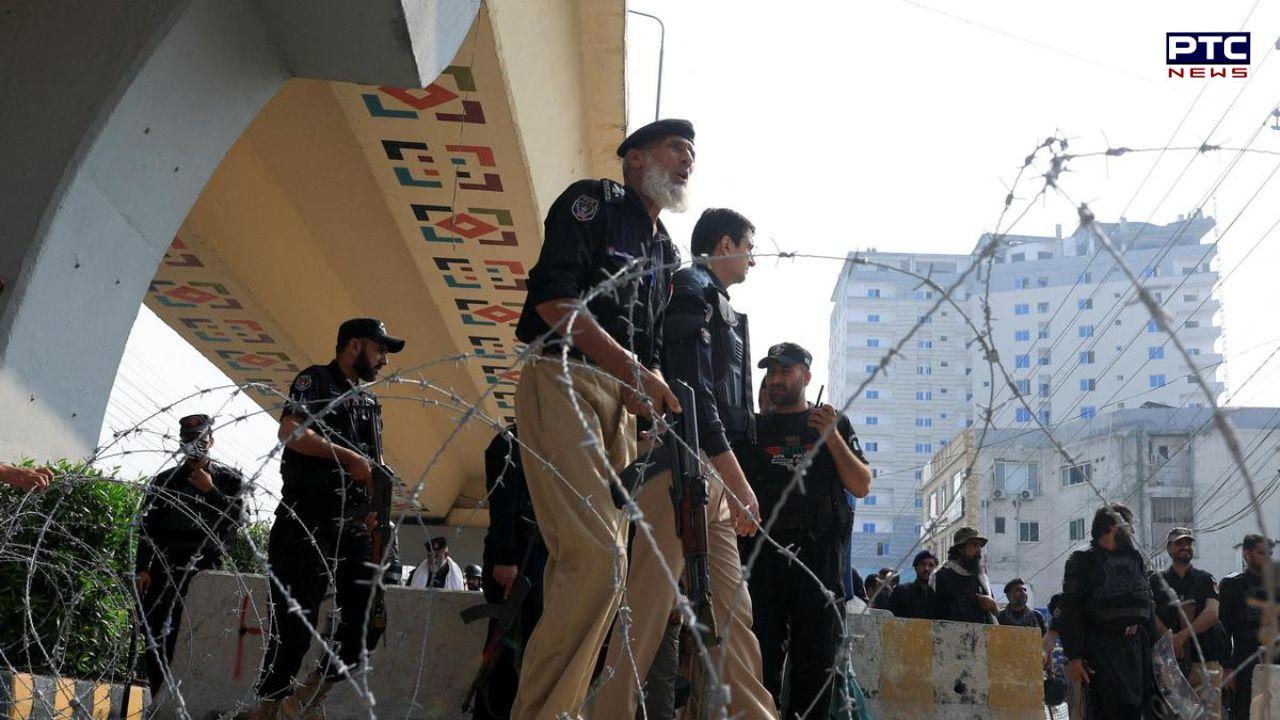
The timing of the decision is significant as the PTI has been organising a long march demanding the release of its jailed founder, Imran Khan. The emergency was imposed as the protest gained momentum and authorities prepared to stop demonstrators from moving towards Islamabad.
According to Dawn, PTI supporters participating in the march were heading towards the Swabi Interchange, a motorway junction about 94 km from Islamabad.
PTI Chairman Barrister Gohar Ali Khan rejected the decision, calling it “an extremely alarming and grave political mistake and an undemocratic measure.” He warned that the move could deepen the conflict between the federal government and the province instead of restoring peace to the militancy-hit region.
The decision followed an emergency meeting of Pakistan’s federal cabinet chaired by Shehbaz Sharif on Sunday. Ministers reviewed the security situation in KP, which shares a border with Afghanistan and has faced repeated attacks by militant groups, including Tehreek-e-Taliban Pakistan (TTP).
According to Dawn, the federal cabinet accused the provincial administration of deliberately withdrawing from efforts to fight terrorism.
Sharif told ministers that he would not allow the PTI to destabilise the country’s economy. He also referred to the deaths of civilians and security personnel in terrorist attacks. His government has repeatedly accused Afghanistan of failing to prevent militant groups from operating across the border.
What happens to PTI government and chief minister
The presidential proclamation effectively removed the elected provincial administration, including Chief Minister Sohail Afridi and his council of ministers, from power.
Article 234 of Pakistan’s Constitution allows the president to assume certain functions of a provincial government or direct the governor to exercise those powers when the constitutional machinery of the province is considered to have failed.
KP emergency could deepen Pakistan's political crisis
Khyber Pakhtunkhwa holds strategic importance in Pakistan’s political and security landscape. The province, which borders Afghanistan and has a predominantly Pashtun population, is a major centre of support for the PTI and a key region in Pakistan’s fight against militancy.
The dispute also highlights differences between Islamabad and the PTI over how terrorism should be tackled. The federal government accuses the provincial administration of neglecting its security responsibilities, while the PTI maintains that military operations and security policies should not be imposed without consulting elected representatives and local residents.
- PTC NEWS