US-Iran ceasefire talks: Tehran refuses to reopen Strait of Hormuz amid rising tensions





US-Iran ceasefire talks: The United States and Iran are weighing a proposed plan to ease tensions in the Middle East, but Tehran has made it clear that reopening the Strait of Hormuz will not be part of any temporary ceasefire.
According to sources cited by Reuters, the proposal outlines a two-stage approach. It begins with an immediate ceasefire, followed by negotiations toward a broader and more lasting agreement. The plan is informally being referred to as the “Islamabad Accord.”
Efforts to push the deal forward have involved multiple stakeholders. Pakistan’s Army Chief Asim Munir has reportedly remained in constant contact with US Vice President JD Vance, special envoy Steve Witkoff, and Iranian Foreign Minister Abbas Araqchi to discuss the framework.
However, Iran has taken a firm position on key conditions. A senior official said Tehran will not agree to reopen the Strait of Hormuz during a temporary truce and is unwilling to accept external pressure or strict deadlines.
Earlier reports by Axios suggested that negotiators were exploring a possible 45-day ceasefire as part of the initial phase. This could potentially create space for a more permanent resolution to the ongoing conflict.
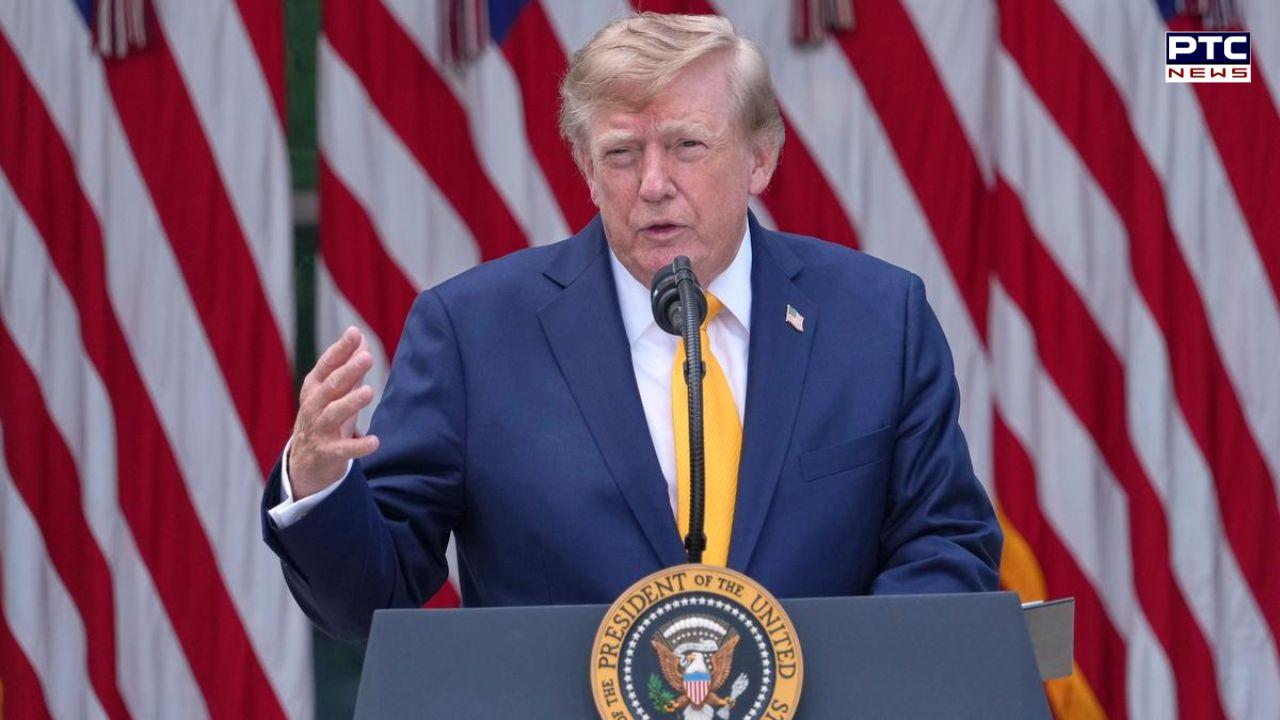
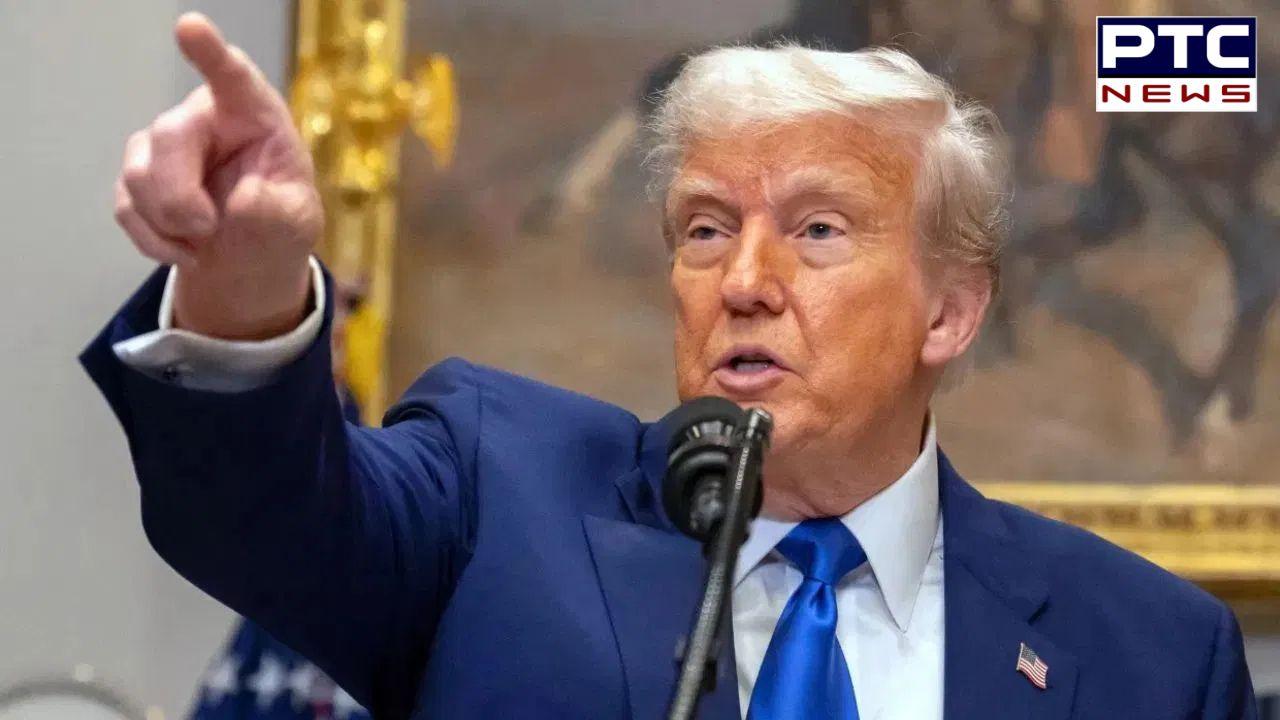
The latest developments come shortly after US President Donald Trump issued a strong warning to Iran. He threatened strikes on Iranian energy and transport infrastructure if Tehran failed to reopen the strategic waterway.
Trump had initially set a deadline for Iran, which was later extended by 20 hours to Tuesday evening. While he indicated that negotiations were still underway, he also warned of severe consequences if discussions fail.
Meanwhile, the conflict in the region continues to escalate. Airstrikes were reported on Monday, more than five weeks after the United States and Israel began sustained military action against Iran on February 28. The ongoing violence has led to heavy casualties and triggered a sharp rise in global oil prices.
In response, Iran has effectively shut down the Strait of Hormuz, a vital route that carries nearly one-fifth of the world’s oil and gas supplies. Tehran has also launched strikes targeting US and Israeli military positions, along with key energy infrastructure across the Gulf region.
- With inputs from agencies