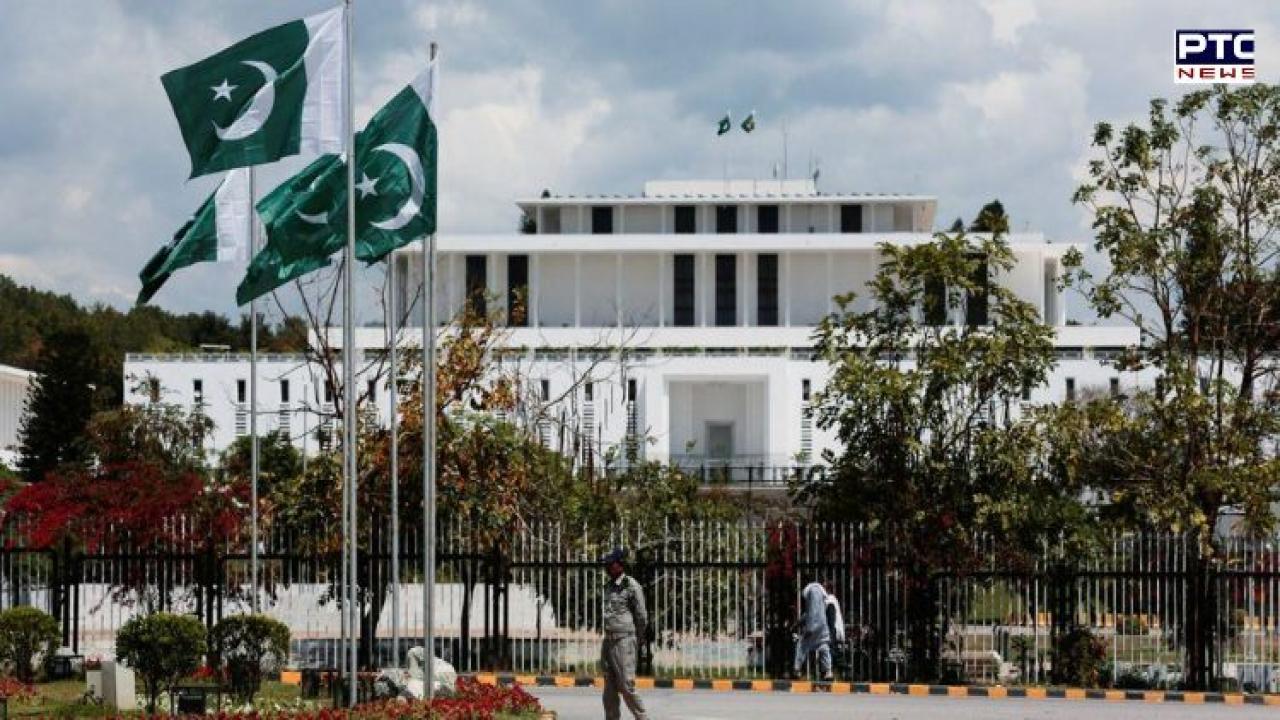
Islamabad on high alert as Pakistan hosts crucial US-Iran talks amid Middle East ceasefire





US-Iran talks in Islamabad: Amid a fragile ceasefire in the Middle East, global attention has shifted to Islamabad, which is set to host high-stakes negotiations between the United States and Iran starting April 11.
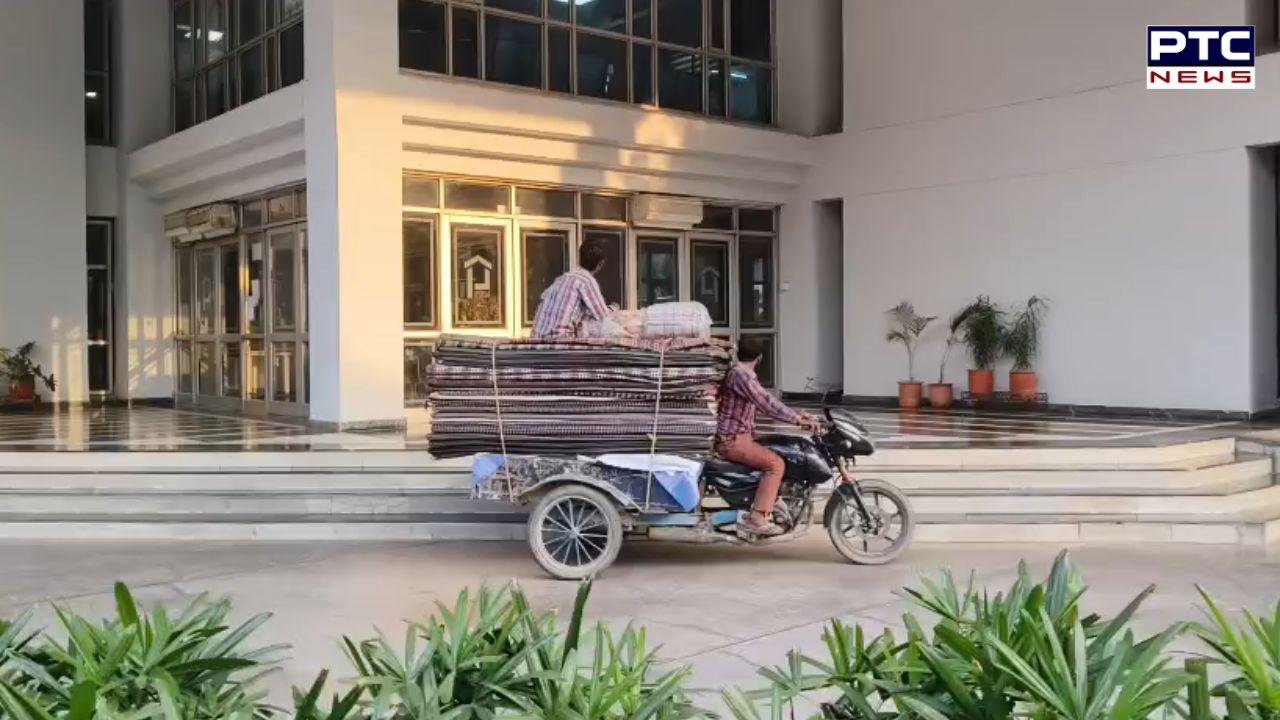
The Pakistani capital has been placed under an unprecedented security lockdown ahead of the talks. Key areas, particularly the heavily guarded Red Zone, have been sealed off with strict movement restrictions. The zone, which houses Parliament, diplomatic missions, major government offices and luxury hotels is now accessible only to authorised personnel.
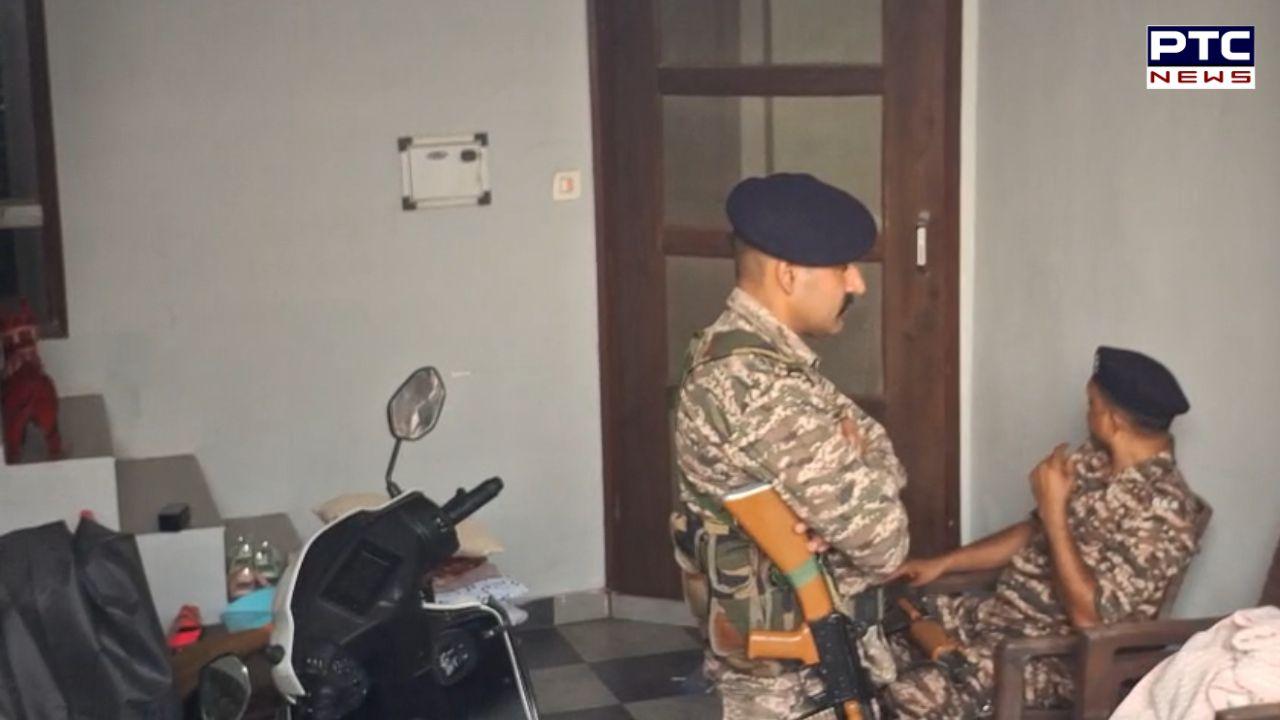
Security forces have intensified patrols across the city, establishing multiple checkpoints and diverting traffic to ensure smooth passage for visiting delegations. Armed police personnel have been deployed at strategic locations, while civilian movement in sensitive areas has been significantly curtailed.
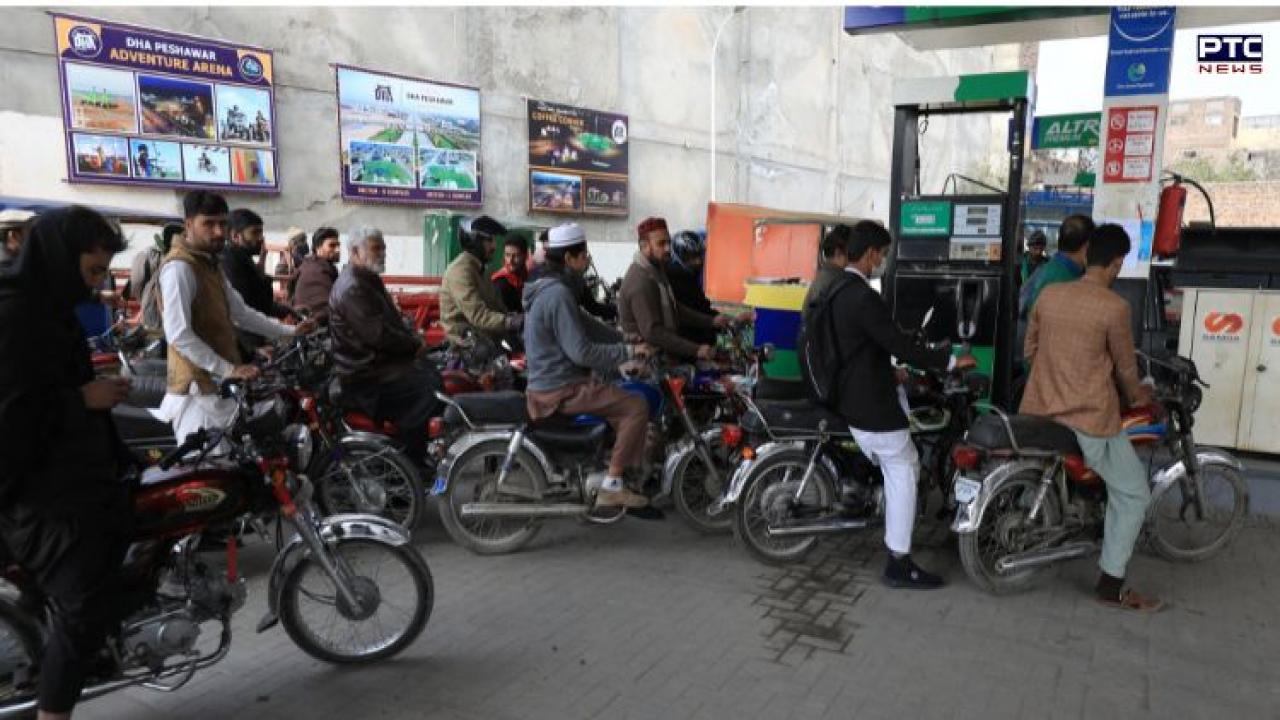
To further minimise public presence, authorities have declared a two-day holiday in the capital. Educational institutions, markets, and several businesses remain shut, with only limited activity reported in parts of the city.
The upcoming negotiations follow a two-week ceasefire between Washington and Tehran, which came after a period of heightened tensions. The escalation was triggered by the February 28 killing of Ayatollah Ali Khamenei.
However, uncertainty remains over the participation of the Iranian delegation. Reports suggest that officials from Tehran have yet to depart for Pakistan due to ongoing Israeli military activity in Lebanon. Meanwhile, US Vice President JD Vance and his delegation are already en route after departing from Hungary.
Pakistan promises high-level security
Pakistan’s Interior Minister Mohsin Naqvi has assured the United States envoy of “foolproof security” for the visiting delegation. A 30-member US advance team has already reached Islamabad to assess the arrangements.
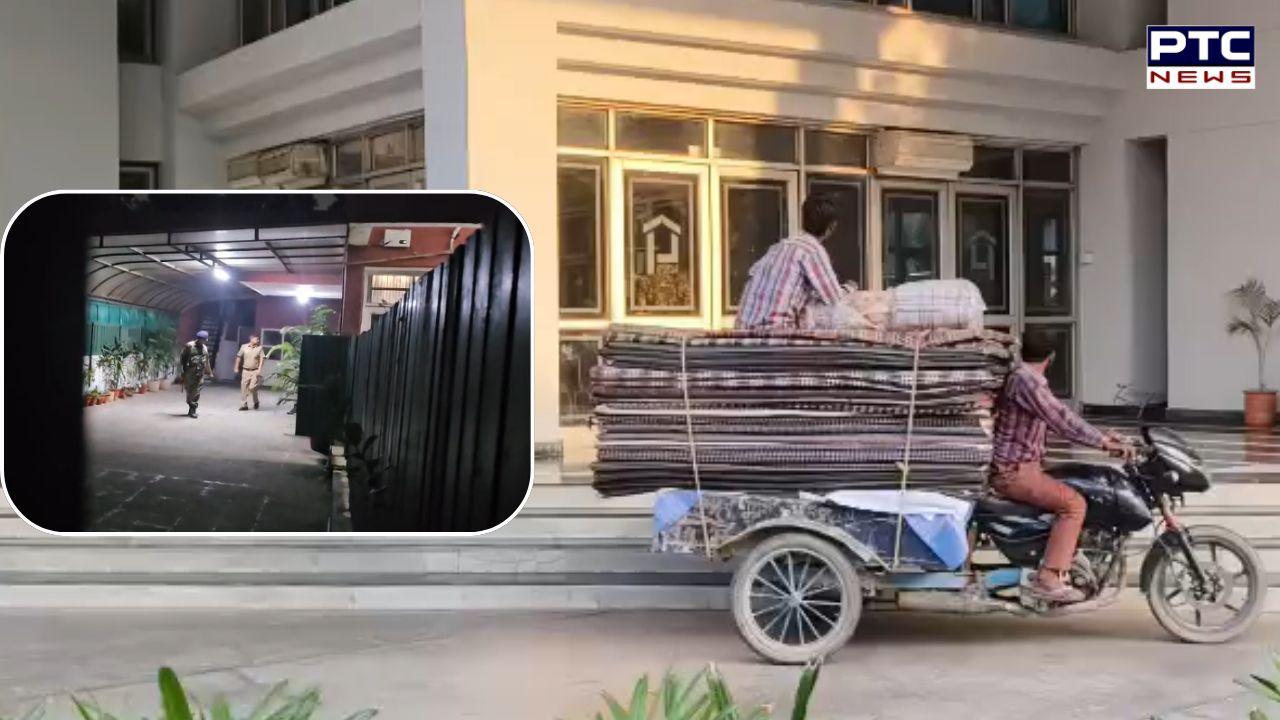
The talks are expected to be held at the Hotel Serena Islamabad, a prominent venue frequently used for high-profile diplomatic engagements.
Despite these assurances, concerns have been raised internationally regarding security preparedness. Former White House Press Secretary Ari Fleischer has publicly questioned whether Pakistan can fully guarantee the safety of foreign negotiators.
Security measures extend beyond the capital’s ground operations. Reports indicate that Pakistan has bolstered its air defence protocols to secure the arrival of foreign delegations.
The Pakistan Air Force has reportedly deployed mid-air refuelling aircraft and transport planes to manage aerial logistics, while fighter jets have been tasked with escort duties. Surveillance systems, including airborne warning and control platforms, are believed to be monitoring flight paths to prevent any potential threats during transit.
Pakistan has introduced visa-on-arrival for all participants, including officials and journalists attending the talks. Special facilitation counters have been set up at airports to handle incoming delegations efficiently.
Foreign Minister Ishaq Dar stated that the government has simplified entry procedures to support the diplomatic process and ensure smooth coordination during the high-level engagement.
- With inputs from agencies