WHO reports 52 pc surge in global COVID cases over the past month





New Delhi, December 23: The World Health Organization (WHO) has reported a concerning 52 per cent surge in new COVID-19 cases globally over the past month, with over 850,000 fresh cases documented in this period. However, the WHO noted an 8 per cent decrease in new deaths compared to the previous 28-day period, registering over 3,000 new fatalities.
As of December 17, the global tally of confirmed cases stands at over 772 million, accompanied by nearly seven million reported deaths since the onset of the COVID-19 pandemic, highlighting the continued severity of the situation. Additionally, the WHO flagged over 118,000 new COVID-19 hospitalisations and more than 1,600 new intensive care unit (ICU) admissions, marking a significant 23 per cent and 51 per cent increase, respectively, on a global scale.
/ptc-news/media/media_files/8X9m4OtRJzpeHIxXcYAx.jpg)
An emerging concern highlighted by the WHO is the JN.1 sub-lineage of the BA.2.86 Omicron variant, which has been categorized as a distinct Variant of Interest (VOI) due to its rapid surge in prevalence. This sub-lineage was previously classified as part of the BA.2.86 variant but has now been recognized in its own right due to its escalating prevalence in recent weeks.
Despite its separation as a VOI, the WHO currently evaluates the additional global public health risk posed by JN.1 as low. However, concerns persist regarding its potential to escalate respiratory infections, particularly with the onset of winter in the Northern Hemisphere. The WHO emphasizes that existing vaccines continue to provide protection against severe illness and fatalities caused by JN.1 and other circulating variants of the SARS-CoV-2 virus, responsible for COVID-19.
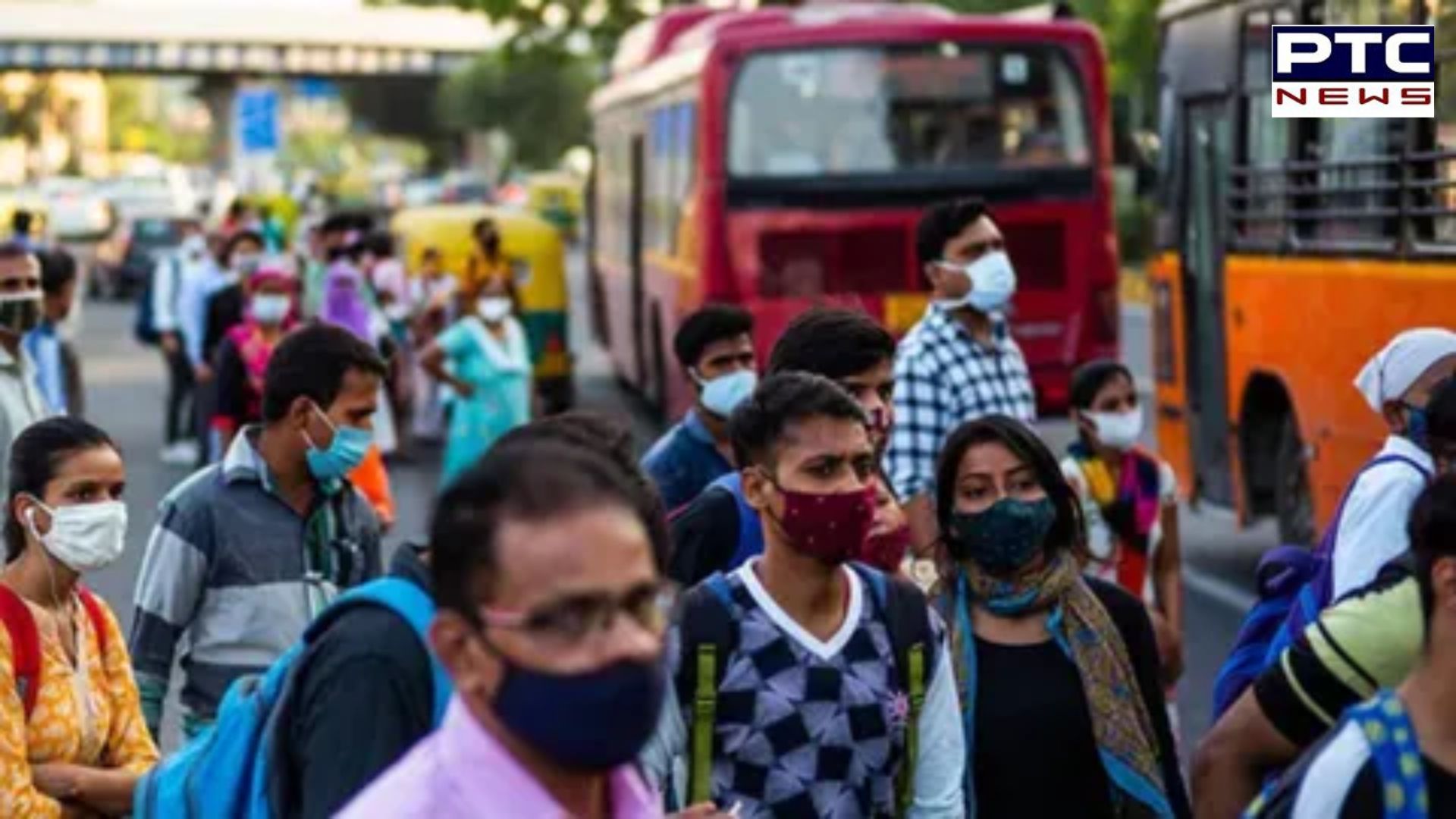
Highlighting the broader spectrum of respiratory diseases in circulation, the WHO alerts the public to the rise of influenza, RSV (respiratory syncytial virus), and common childhood pneumonia alongside COVID-19. In response, the WHO reiterates preventive measures, urging the public to wear masks in crowded or enclosed settings, maintain physical distancing, practice proper respiratory hygiene, regularly sanitize hands, and undergo testing if exhibiting symptoms or having potential exposure to COVID-19 or influenza. These steps remain critical in mitigating the spread and impact of these respiratory illnesses.
-