Jaswant Singh Khalra abduction and killing: How SADs telegram prompted Supreme Courts intervention into the case
In September 1995, a telegram sent by senior Shiromani Akali Dal leader Gurcharan Singh Tohra reached the residence office of Supreme Court judge Justice Kuldip Singh, prompting top court's intervention.
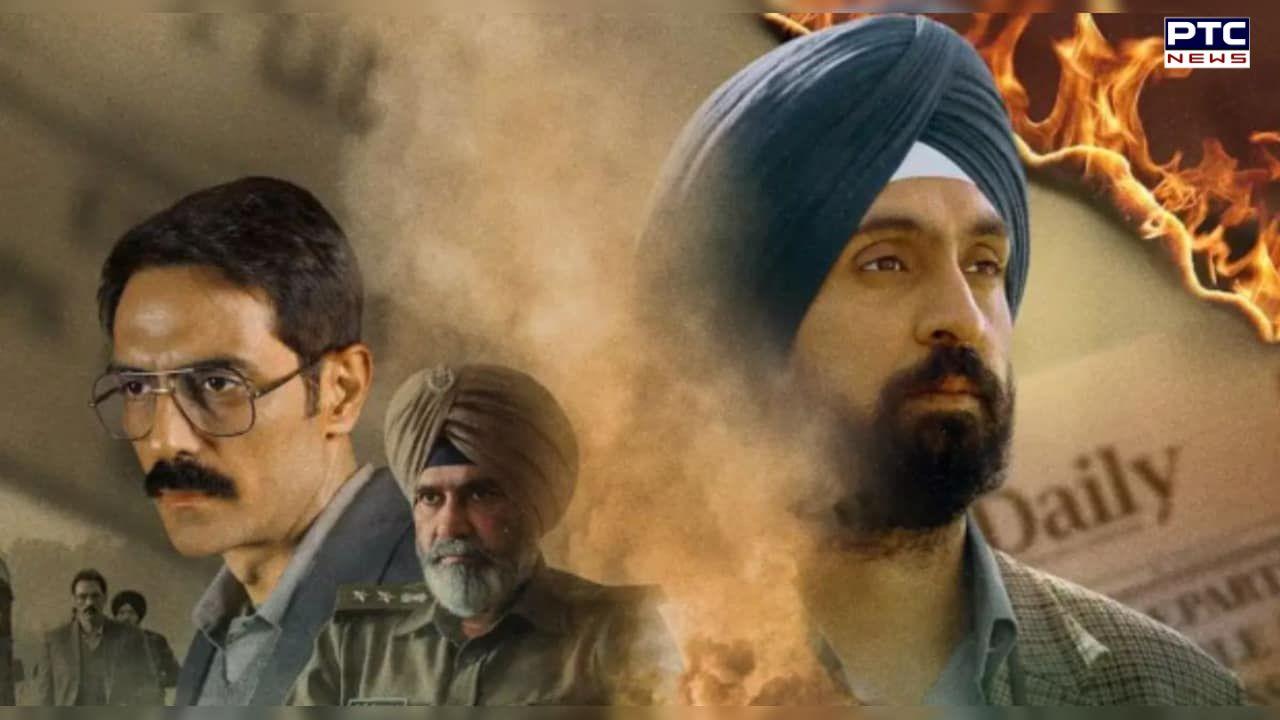
PTC News Desk: Diljit Dosanjh starrer 'Satluj' has reignited the controversy surrounding the abduction and killing of human rights activist Jaswant Singh Khalra, who exposed undocumented cremations and illegal extra judicial killings at the hands of Punjab Police during militancy years.
Since 1995, his wife, Paramjit Kaur Khalra, has ensured that her husband's work and sacrifice are not erased from public memory. She then began a decades-long fight to seek justice for her husband.
The release after long-delay and pulling down of the movie has once again placed Khalra's struggle at the centre of national attention. Even after finally reaching viewers following years of legal and certification hurdles on July 3, the film has been removed from OTT platform Zee5, marking another turbulent chapter in the journey of the film embroiled in certification battle.
A telegram that prompted judicial intervention
In September 1995, a telegram sent by senior Shiromani Akali Dal leader Gurcharan Singh Tohra reached the residence office of Supreme Court judge Justice Kuldip Singh. The message alleged that human rights activist Jaswant Singh Khalra had been abducted by the Punjab Police.
Given the seriousness of the allegation, the Supreme Court took the unusual step of treating the telegram as a habeas corpus petition.
On September 11, 1995, the court directed the Punjab Home Secretary, the Director General of Police and the Senior Superintendent of Police, Amritsar, to submit their responses within a week. The court also ordered that notices be sent immediately through telex, telephone and fax to ensure quick action.
At the same time, Khalra’s wife, Paramjit Kaur, separately approached the Supreme Court under Article 32 of the Constitution. She filed a petition seeking a writ of habeas corpus and requested that her husband be produced before the court.
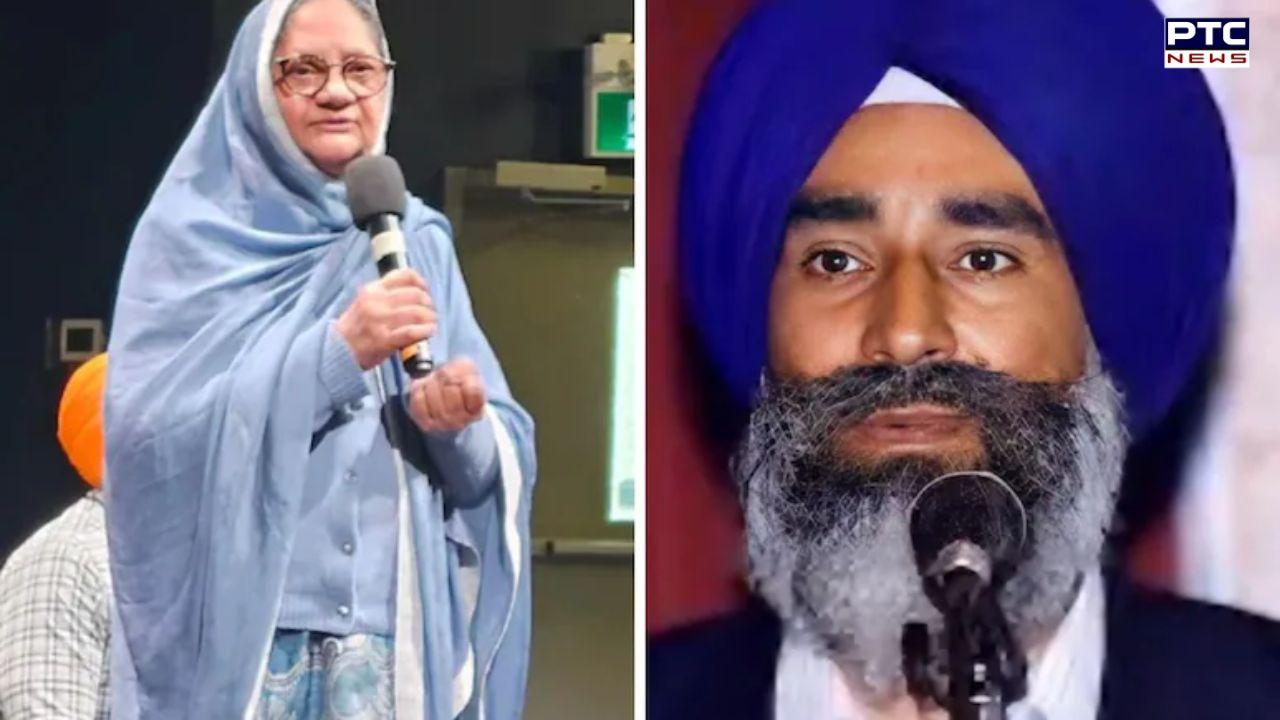
The petition alleged that four armed men in police uniforms carrying automatic weapons approached their residence and overpowered Khalra despite his objection and forced him into the vehicle. The petition also mentioned that closely following the vehilce was a police van carrying several armed personnel and a senior officer, apparently providing cover to the van as it drove away.
Identification of accused Punjab cops
The Supreme Court then directed the CBI to complete the investigation in three months and submit the report. Later on July 30, 1996, the central agency presented its report before the apex court, identifying nine Punjab cops responsible for the abduction of Jaswant Singh Khalra and recommended their prosecution.
The Supreme Court also examined another matter linked to a press note issued on January 16, 1995, by the Human Rights Wing of the Shiromani Akali Dal.
The statement, signed by Jaswant Singh Khalra and J.S. Dhillon, alleged that the Punjab Police had illegally cremated a large number of people after identifying them as "unclaimed" or "unidentified".
Describing the allegations as extremely serious and disturbing, the Supreme Court said that even if a part of the claims proved true, it would point to major human rights violations. The court then ordered the Central Bureau of Investigation (CBI) to carry out a detailed investigation.
In its final report submitted in December 1996, the CBI stated that it had fully identified 585 bodies, partially identified 274 bodies, while 1,238 bodies could not be identified.
16 years after disappearance and murder of human rights activist Jaswant Singh Khalra, the Supreme Court in November 2011 upheld the life imprisonment awarded to five Punjab Police officers in this case.