WHO declares Ebola global health emergency after outbreak in Congo, Uganda





PTC News Desk: The World Health Organisation (WHO) has declared the Ebola outbreak in the Democratic Republic of Congo (DRC) and Uganda a "Public Health Emergency of International Concern" (PHEIC).
This is the highest level of global health alert issued by the World Health Organization (WHO) when a disease threatens multiple countries and requires international cooperation. The current outbreak involves the Bundibugyo strain of the Ebola virus, which is considered especially dangerous because there are currently no approved vaccines or specific treatments available for it. WHO officials have asked countries to strengthen surveillance, testing, and emergency response systems to prevent the disease from spreading further.
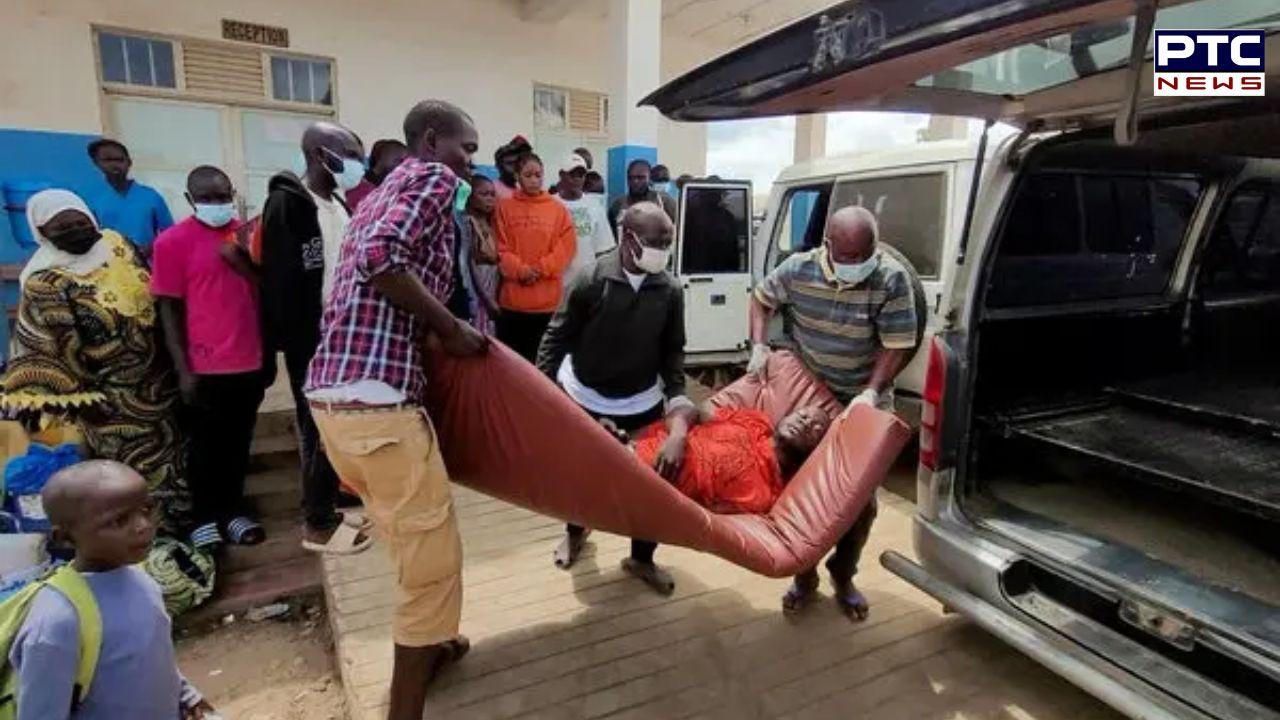
The outbreak has mainly affected eastern Democratic Republic of the Congo, especially the Ituri province, where several suspected and confirmed cases have been reported. Uganda has also confirmed imported cases linked to travellers coming from Congo. Reports suggest that several people have died, while hundreds of suspected infections are being investigated.
The spread of Ebola to major cities has raised global concern because controlling the disease becomes more difficult in crowded urban areas. WHO and African health agencies are working closely with local governments to improve hospital screening, trace contacts of infected people, and provide emergency medical supplies.
What is Ebola?
Ebola is a serious and often deadly viral disease that affects both humans and animals. The virus was first identified in 1976 near the Ebola River in Congo. People infected with Ebola usually develop symptoms such as fever, weakness, muscle pain, vomiting, and diarrhoea. In severe cases, patients may also suffer internal or external bleeding.
The disease spreads through direct contact with the blood, sweat, saliva, or other body fluids of an infected person. It can also spread through contaminated surfaces and medical equipment.
Doctors say early detection is extremely important because patients have a better chance of survival if they receive proper treatment quickly. Isolating infected patients and monitoring people who came into close contact with them are among the main steps used to control outbreaks. Health workers are also advised to wear protective equipment while treating patients.
- PTC NEWS