India bans export of broken rice with immediate effect





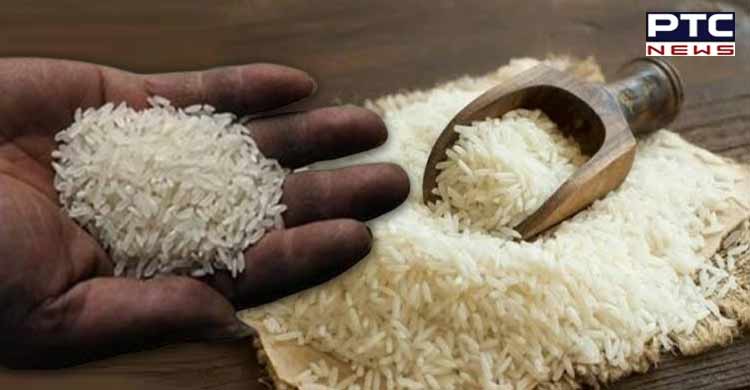
New Delhi [India], September 9: India banned the export of broken rice with immediate effect. The export policy has been revised from "free" to "prohibited".
 Some exports will, though, be allowed till September 15, including for where loading of broken rice on the ship has commenced before this ban order, where the shipping bill is filed and vessels have already berthed or arrived and anchored in Indian ports and their rotation number has been allocated, and where broken rice consignment has been handed over to the customs and is registered in their system.
Also Read: Neeraj Chopra becomes first Indian to clinch Diamond League trophy
The ban on exports assumes significance as it appears that the overall sown area under paddy this Kharif season could be lower than that of last year. This can have an impact on both crop prospects as well as prices going forward.
Meanwhile, the Centre imposed a 20 per cent export duty on non-Basmati rice, except for parboiled rice, to boost domestic supplies. The export duty will come in force from September 9.
According to a notification by the revenue department, an export duty of 20 per cent has been imposed on 'rice in husk (paddy or rough)' and 'husked (brown) rice.
The Central Board of Indirect Taxes and Customs further said the export of 'semi-milled or wholly-milled rice, whether or not polished or glazed(other than Parboiled rice and Basmati rice)' will also attract a customs duty of 20 per cent.
Some exports will, though, be allowed till September 15, including for where loading of broken rice on the ship has commenced before this ban order, where the shipping bill is filed and vessels have already berthed or arrived and anchored in Indian ports and their rotation number has been allocated, and where broken rice consignment has been handed over to the customs and is registered in their system.
Also Read: Neeraj Chopra becomes first Indian to clinch Diamond League trophy
The ban on exports assumes significance as it appears that the overall sown area under paddy this Kharif season could be lower than that of last year. This can have an impact on both crop prospects as well as prices going forward.
Meanwhile, the Centre imposed a 20 per cent export duty on non-Basmati rice, except for parboiled rice, to boost domestic supplies. The export duty will come in force from September 9.
According to a notification by the revenue department, an export duty of 20 per cent has been imposed on 'rice in husk (paddy or rough)' and 'husked (brown) rice.
The Central Board of Indirect Taxes and Customs further said the export of 'semi-milled or wholly-milled rice, whether or not polished or glazed(other than Parboiled rice and Basmati rice)' will also attract a customs duty of 20 per cent.
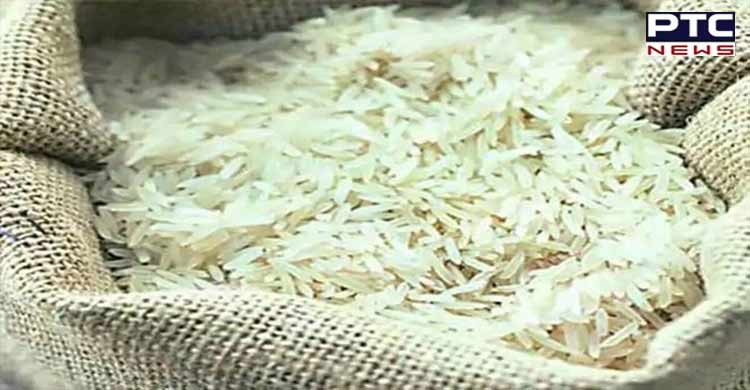 This Kharif season, the area under paddy cultivation is around 6 per cent lower than the previous season at 383.99 lakh hectares.
Farmers in India have sown less paddy this Kharif season. Kharif crops are mostly sown during monsoon -June and July, and the produce is harvested during October and November.
Also Read: Punjab Police on alert as intelligence agencies warns of gang war
The primary reason for the decline in the sown area could be attributed to the slow advancement of the monsoon in the month of June and its uneven spread in July in some growing key regions in the country.
The government while banning exports of wheat had stated that the move was made with the purpose to manage the overall food security of the country as well as meeting the needs of the neighbouring and other vulnerable countries.
-PTC News with ANI inputs
This Kharif season, the area under paddy cultivation is around 6 per cent lower than the previous season at 383.99 lakh hectares.
Farmers in India have sown less paddy this Kharif season. Kharif crops are mostly sown during monsoon -June and July, and the produce is harvested during October and November.
Also Read: Punjab Police on alert as intelligence agencies warns of gang war
The primary reason for the decline in the sown area could be attributed to the slow advancement of the monsoon in the month of June and its uneven spread in July in some growing key regions in the country.
The government while banning exports of wheat had stated that the move was made with the purpose to manage the overall food security of the country as well as meeting the needs of the neighbouring and other vulnerable countries.
-PTC News with ANI inputs