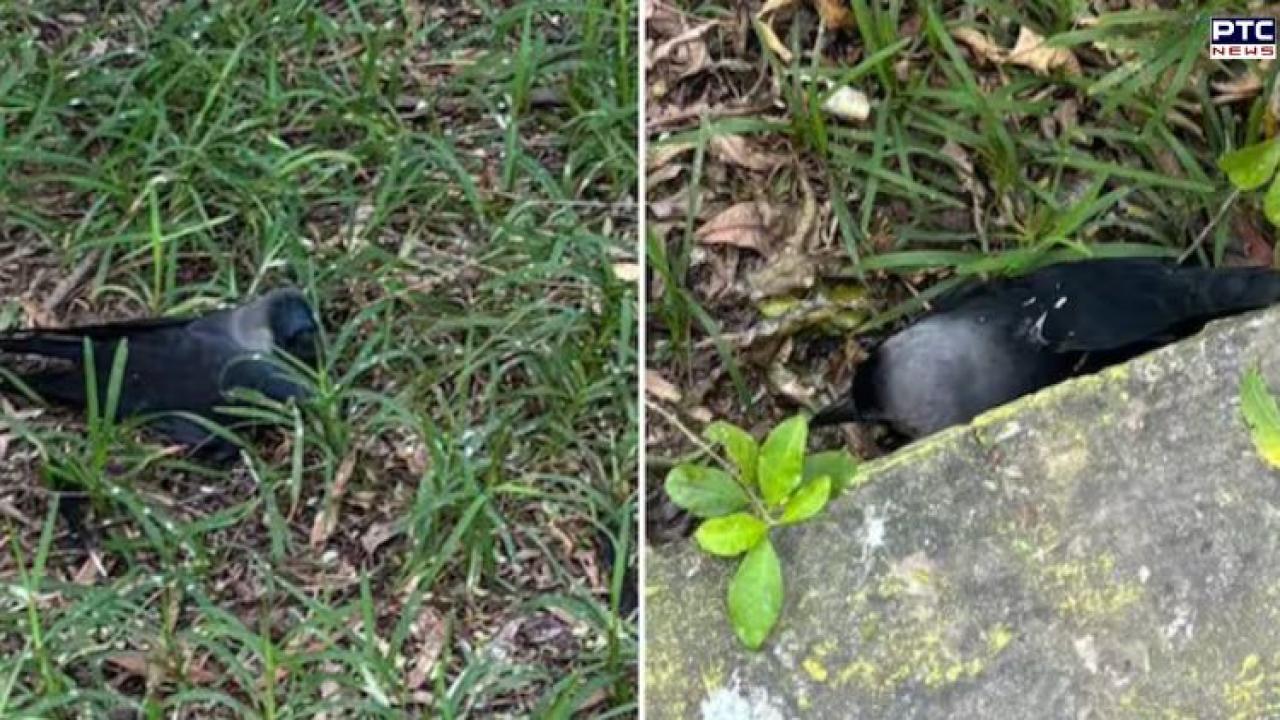
Bird flu alert in Chennai: Hundreds of crows found dead, H5N1 confirmed





PTC Web Desk: Chennai is on high alert after authorities confirmed an outbreak of the H5N1 virus, commonly known as bird flu, following the discovery of hundreds of dead crows across the city in recent days. Health and animal welfare officials have moved swiftly to contain the spread, issuing advisories to the public and enforcing strict biosecurity measures.
Authorities have directed that all dead crows and poultry carcasses must be either incinerated or buried deeply to prevent further transmission. Residents have been strictly warned not to touch or handle dead birds and are urged to report any sightings immediately to local authorities.
The Union Ministry of Animal Husbandry and Dairying has written to the Tamil Nadu Chief Secretary, emphasising the need for urgent and comprehensive field surveillance. “The positive case for Highly Pathogenic Avian Influenza (HPAI) raises serious concerns about rapid transmission. Immediate action is required to reduce risks to both animal and human health. A One-Health approach should be implemented to coordinate efforts across human health, animal health and wildlife sectors,” the ministry stated.
What is H5N1?
H5N1 is a highly pathogenic strain of the influenza A virus that primarily affects birds, particularly poultry and wild birds. It spreads quickly among bird populations, causing high mortality. While human infections are rare, they can occur through close contact with infected birds or contaminated environments and the disease can be severe when it does.
Potential risks to humans
Though H5N1 mainly affects birds, human infections, when they occur, can lead to serious respiratory illnesses such as pneumonia. Past outbreaks have shown that the virus can have a significantly higher fatality rate than seasonal flu, which is why authorities monitor outbreaks closely and implement strict precautionary measures.
Measures to contain the spread
Officials in Tamil Nadu have outlined several measures to curb the virus’s spread: Field teams are monitoring bird deaths across the city, including crows, wild birds, and poultry. Carcasses are being sent to designated Regional Disease Diagnostic Laboratories rather than undergoing field post-mortems.
Citizens are advised not to touch dead birds, and if unavoidable, gloves must be worn, followed by thorough handwashing. Proper disposal of kitchen and slaughter waste is also emphasized.
Farm access is being restricted to prevent contact with wild birds. Worker movement between farms is minimised, footbaths are used, and equipment is regularly disinfected.
Forest and veterinary officials are tasked with promptly reporting bird deaths. Contact details of designated officers are being shared for immediate reporting of suspected cases.
Authorities stressed that adherence to these guidelines is essential to prevent further outbreaks and protect both animal and human health.
- With inputs from agencies