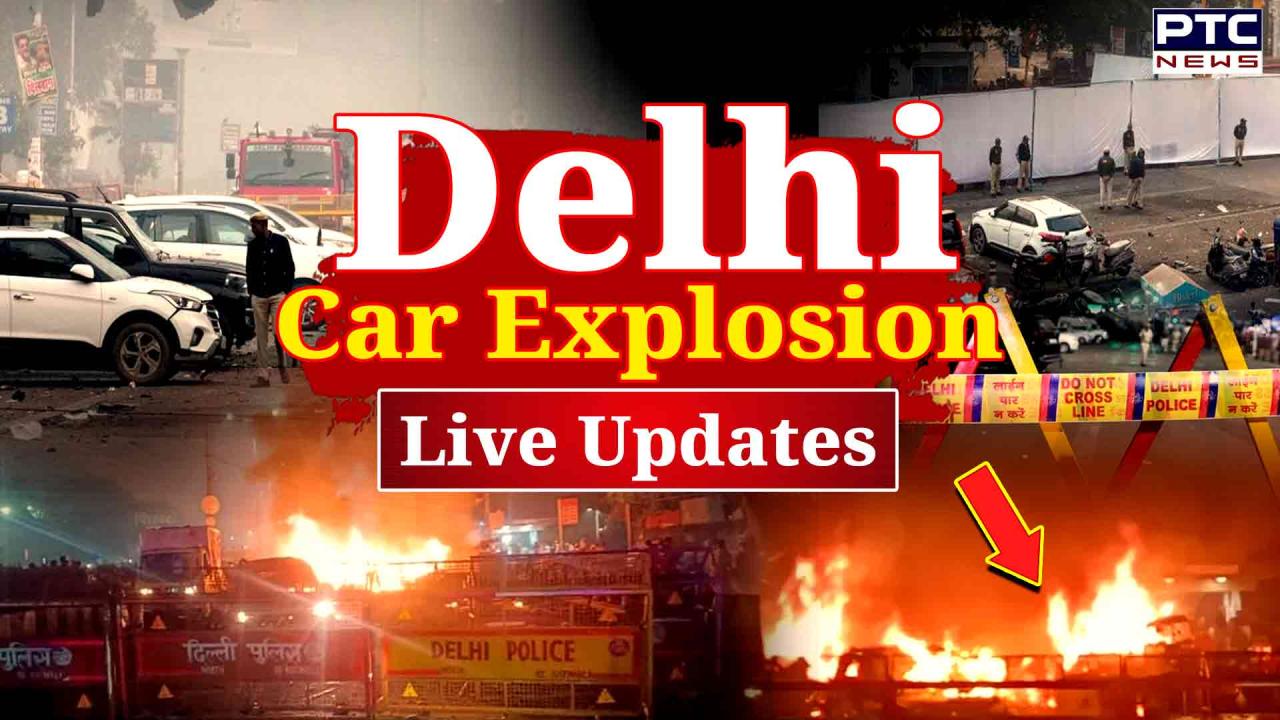
Delhi Red Fort Car Blast Highlights: 32 vehicles were being readied for coordinated attacks





A new CCTV video has surfaced showing Umar entering Delhi in an i20 car through the Badarpur Border toll plaza.
In the footage, Umar can be clearly seen repeatedly looking towards the CCTV camera, indicating that he was aware agencies were tracking him.
A large bag is visible on the back seat of the car. Umar, wearing a mask, stops at the toll booth, takes out money and hands it over to the toll collector.
Even after paying the toll and moving ahead, he continues to glance at the CCTV camera several times.
The timestamp on the video shows 8.02 pm on November 10.
Intelligence agencies on Thursday uncovered a major terror plot connected to the car bomb blast near Delhi’s Red Fort. According to sources, the suspects had planned to equip around 32 old vehicles with explosives to carry out coordinated attacks across multiple locations, posing a grave threat to national security.
Preliminary investigations reveal that the accused had already begun modifying one vehicle for the planned strikes. Sources further said following the discovery of the Hyundai i20 and Ford EcoSport used in the blast, authorities learned that preparations were also underway to rig several other vehicles with explosives.
The National Assessment and Accreditation Council (NAAC), the body responsible for evaluating and grading the quality of colleges and universities across India, has issued a show-cause notice to Al-Falah University in Faridabad for allegedly making false claims about its accreditation status.
Dr Mohammad Arif, who completed his MBBS from a medical college in Jammu and Kashmir, had joined the Cardiology Department at Kanpur Medical College around three months ago. Since there was no vacancy in the hospital hostel, he had been living in a rented room in Ashok Nagar.
According to hospital sources, Dr. Arif was on emergency duty from 2 am to 5 am on Wednesday, after which he left for his residence.
Dr Shaheen, who worked in the Pharmacology Department of Kanpur Medical College, was known among her colleagues as a quiet and disciplined professional who focused solely on her work. According to faculty members and co-workers, she always wore a hijab while attending classes and lectures. Her colleagues said she was deeply committed to her religious identity and attire, unwilling to make any compromises regarding her beliefs.
Multiple security agencies are actively searching for a third vehicle believed to be connected to the Red Fort blast case, police sources said on Thursday.
A white Hyundai i20 had exploded near the Red Fort on Monday evening, killing 13 persons. Investigators later traced a red Ford EcoSport in Faridabad, linked to the same network. However, a third car — suspected to be a Maruti Brezza — is still missing.
Authorities suspect the vehicle may have been used by the accused for reconnaissance or escape. Intensive search operations are currently underway across Delhi-NCR and neighbouring states to locate the missing car.
Investigators have uncovered a chilling revelation: members of a doctor-led terror module linked to Jaish-e-Mohammed had planned coordinated blasts at six locations in Delhi on December 6.
According to interrogation and diary entries, the group first plotted attacks in August, but delays in the operation led them to pick a new date — December 6, the anniversary of the Babri Masjid demolition.
The suspects, who are also reported to have links with Ansar Ghazwat-ul-Hind, told interrogators that the attack was to be executed in five sequential phases:
Forming a terror module connected to Jaish/Ansar groups.
Procuring raw materials needed for explosives.
Manufacturing IEDs and conducting target reconnaissance.
Transporting explosives to module members.
Carrying out blasts at 5–6 locations in a planned sequence.
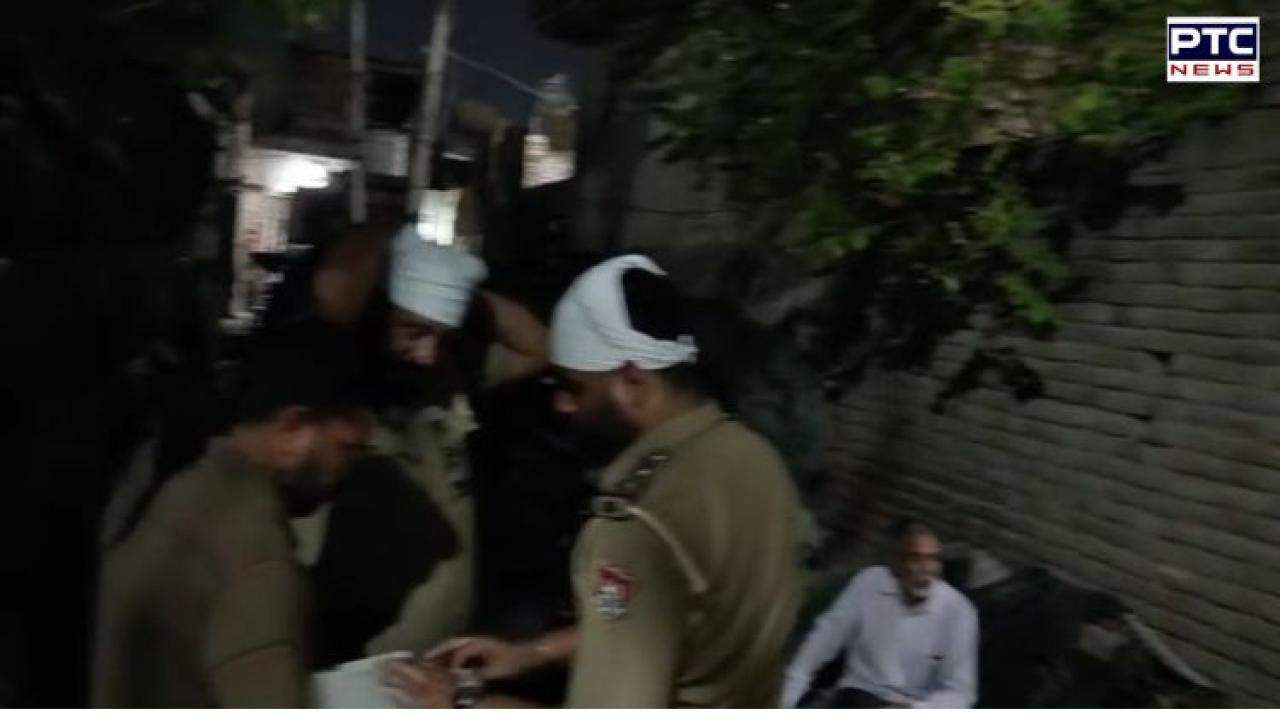
In the Delhi car blast case, Faridabad Police have detained the person who parked the red EcoSport car in Khandawali village. The individual has been identified as Faheem, who is reportedly a relative of the accused Dr. Umar Un Nabi.
A new theory has emerged in the Delhi Red Fort car blast case. Investigation agencies claim that additional vehicles were being prepared for the explosions. News agency ANI, citing intelligence sources, reported that after the i20 and the EcoSport, the suspects were planning to prepare two more old cars. Explosives were to be placed in these vehicles to widen the scope of the targets.
A new development has emerged in the Delhi Red Fort car blast investigation. According to sources in the investigating agencies, the key accused, Dr Muzammil, Dr Adil, Umar, and Shaheen, had jointly raised around Rs 20 lakh to fund the attack. The collected amount was later handed over to Umar.
Investigations reveal that the group spent Rs 3 lakh from this fund to purchase over 20 quintals of NPK fertilizer from Gurugram, Nuh and nearby areas for preparing Improvised Explosive Devices (IEDs).
Reports also suggest there was a monetary dispute between Umar and Dr Muzammil regarding the funds. Additionally, Umar had created a private group on the Signal app with 2 to 4 members, believed to have been used for coordinating the blast planning and logistics.
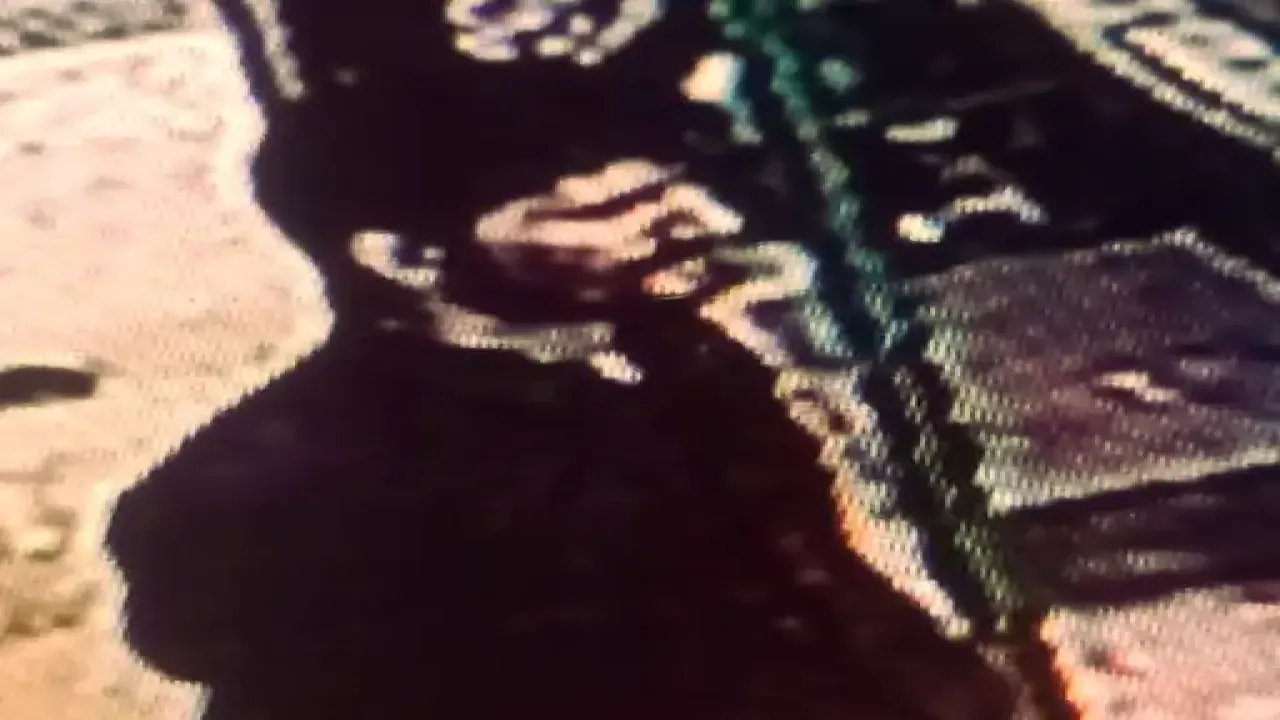
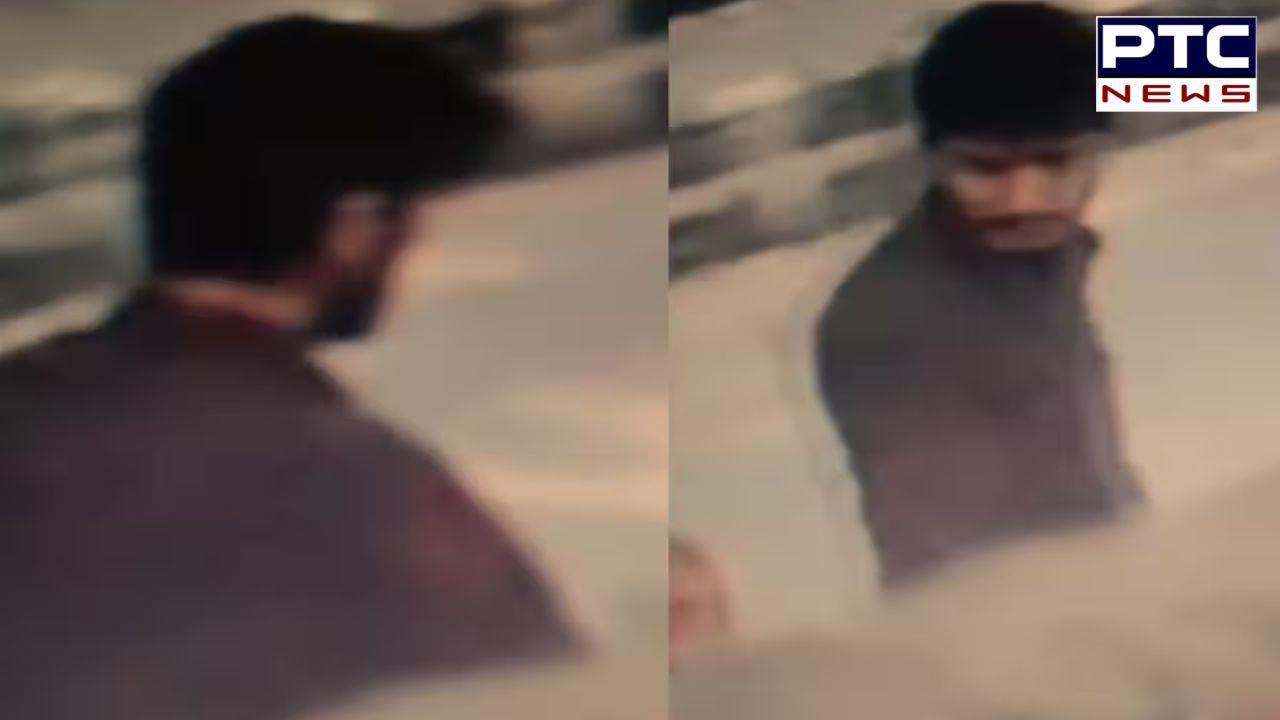
According to media reports, a new CCTV footage has surfaced showing Dr Umar Un Nabi at the Faiz Ilahi Turkman Mosque in Old Delhi shortly before the Red Fort car blast. It is claimed that Umar stayed inside the mosque for about 10 minutes before leaving in the car that was later used in the explosion.
In the footage, Umar can be seen without a mask, which helped the police confirm his identity through facial recognition. He was reportedly wearing black pants and a black sweater, and was seen walking barefoot around the mosque premises at approximately 2.34 pm on Monday.
Investigators are now examining why Umar visited the mosque and whether he met anyone there. Officials analysing the video footage noted that Umar appeared nervous and restless, frequently looking over his shoulder as he walked.
The terror group responsible for the Delhi car blast was being operated from Al-Falah University in Faridabad, according to sources. The conspiracy to carry out the explosions was reportedly being planned since January.
During interrogation, Dr Shaheen Shahid, who was arrested from Faridabad, revealed that she had been collecting explosives for the past two years.
Authorities have identified the network as a “white-collar terror module,” meaning it involved educated and professional individuals. The members of this module were linked to Jaish-e-Mohammed and Ansar Ghazwat-ul-Hind, two Pakistan-based terror organisations.
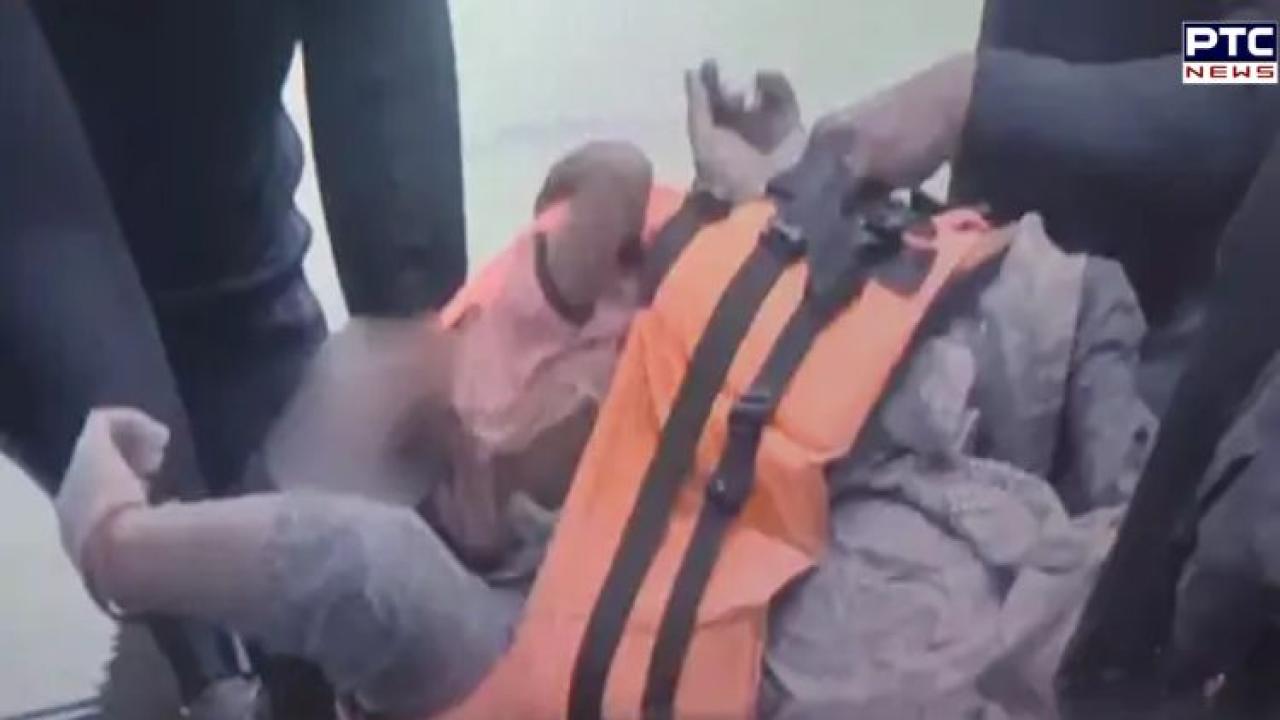
The death toll in the Delhi Red Fort blast has risen to 13 after an injured victim succumbed to his injuries at LNJP Hospital. The deceased has been identified as Bilal. His post-mortem will be conducted later.
Building number 17 of Al-Falah Medical College in Faridabad, which served as the boys' hostel, has been identified as the central meeting hub for members of the Jaish-linked terror module accused in the Delhi Red Fort car blast case.
Investigators revealed that a detailed plan to execute multiple bomb blasts across Delhi and Uttar Pradesh was formulated in Room No. 13, occupied by Muzammil Shakeel, a close associate of Dr Umar Un Nabi, the main perpetrator of the Red Fort car blast.
It was in this room that the suspects allegedly discussed the transfer of chemicals from the university laboratory for bomb-making. The police suspect that explosives were prepared by combining these chemicals with small quantities of ammonium nitrate and oxide.
The police have sealed the room and recovered chemical substances, pen drives and other digital evidence believed to be linked to the conspiracy.
Further investigation has revealed that Dr Umar Un Nabi and faculty member Dr Shaheen Shahid, who was arrested in Kanpur, coordinated the transportation of chemicals from the college lab to Dhauj and Taga villages in Faridabad, where additional preparations for the attacks were allegedly made.
PTC Web Desk: In a major breakthrough in the Delhi Red Fort car blast case, investigation agencies revealed on Thursday that the explosion plot involved not two but four vehicles. The suspects had planned to prepare two additional old cars loaded with explosives to amplify the scale of the attack.
The startling revelations emerged from three diaries recovered from Dr Umar and Dr Muzammil, which contained entries dated between November 8 and 12. The diaries also listed the names of around 25 individuals, most of whom hail from Jammu and Kashmir and Faridabad.
These diaries were seized from Room No. 4 and Room No. 13 at Al-Falah University, where Dr Umar and Dr Muzammil resided. Another diary was found in a rented room used by Muzammil, providing further insights into the network and planning behind the attack.
In a separate development, DNA samples collected from Dr Umar’s remains matched with those of his mother, confirming his presence in the blast vehicle. Investigators had earlier recovered Umar’s teeth, bones, blood-stained clothes and a part of his leg stuck between the car’s steering wheel and accelerator.
This confirmation establishes that Dr Umar was indeed inside the vehicle at the time of the explosion. The November 10 blast near Delhi’s Red Fort Metro Station has so far claimed 13 lives, with another injured victim succumbing to injuries on Thursday morning.
The police had earlier suspected the use of two vehicles in the attack and had launched a search operation across Delhi, Uttar Pradesh, and Haryana. During the investigation, a suspicious abandoned car was found in Khandawali village, Haryana. The NSG bomb squad has been deployed to examine the vehicle, which sources say was parked near the house of Umar’s driver’s sister.
- With inputs from agencies