Deadly heatwave alert: Why extreme heat becomes dangerous for human body





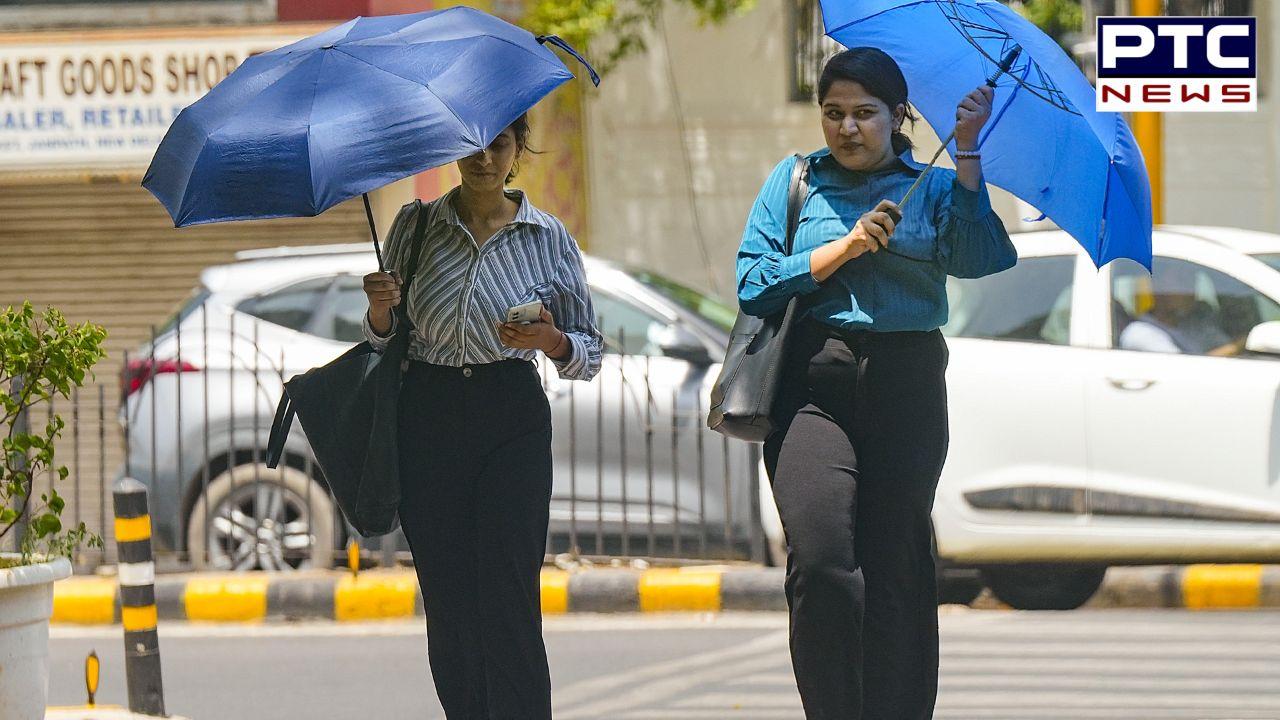
India heatwave 2026: As severe heatwave conditions continue across north and central India, doctors and health experts are warning people to take extra precautions as temperatures in Delhi and nearby regions move close to 45 degrees Celsius.
The India Meteorological Department (IMD) has already issued alerts in several areas, while medical experts say prolonged exposure to extreme heat can seriously affect the body and may even become life-threatening in some cases.
According to recent medical studies, the human body starts facing stress when internal body temperature rises beyond normal levels.
Experts say that once temperatures cross 40 degrees Celsius, the risk of heat-related illness increases sharply. High body temperature can damage cells, affect blood circulation and put pressure on major organs.
Doctors explain that heatstroke may lead to inflammation, clotting problems and organ damage if treatment is delayed.
Medical experts say extreme heat forces the body to work harder to stay cool. The heart pumps faster and blood flow to the skin increases, which puts extra strain on the cardiovascular system.
People suffering from high blood pressure, heart disease, kidney disorders or breathing problems are considered more vulnerable during heatwaves.
Older adults, overweight individuals and people taking medicines such as blood pressure tablets or diuretics also face a higher risk of dehydration and heat exhaustion.
Health experts warn that loss of fluids can disturb normal body function and may lead to serious complications if not treated quickly.
Health authorities and the World Health Organisation (WHO) have advised people to follow simple precautions to reduce the risk of heat-related illness.
Experts suggest keeping windows open during early morning and night hours when temperatures are lower.
Curtains, shades and closed windows during the daytime can help block direct sunlight and reduce indoor heat.
Doctors say electric fans may provide comfort, but during extremely high temperatures they may not fully protect against heat-related illness.
Special care should be taken for children, elderly people and those already suffering from health conditions.
Doctors recommend drinking water regularly even if you do not feel thirsty.
People should avoid alcohol, excessive tea, coffee and sugary drinks as they can increase dehydration.
Loose cotton clothes, hats and light fabrics can help the body stay cooler outdoors.
Experts also advise eating smaller meals and avoiding heavy or high-protein foods during extreme heat.
Cool showers, wet towels and cold compresses may also help lower body temperature.
Health experts advise people to avoid outdoor activities during the hottest part of the day.
If physical work or exercise is necessary, it should ideally be done early in the morning when temperatures are lower.
Authorities also recommend spending time in air-conditioned public places like malls, libraries or community centres if homes become too hot.
Doctors say symptoms such as dizziness, severe headache, confusion, weakness and unusual anxiety should not be ignored.
If a person develops hot and dry skin, becomes unconscious, suffers seizures or shows signs of confusion, immediate medical attention is necessary.
Experts advise shifting the person to a cool place, using cold packs around the neck and underarms, and giving fluids if the person is conscious.
Medical professionals warn against self-medication in serious heatstroke cases and recommend calling emergency services immediately.
- With inputs from agencies