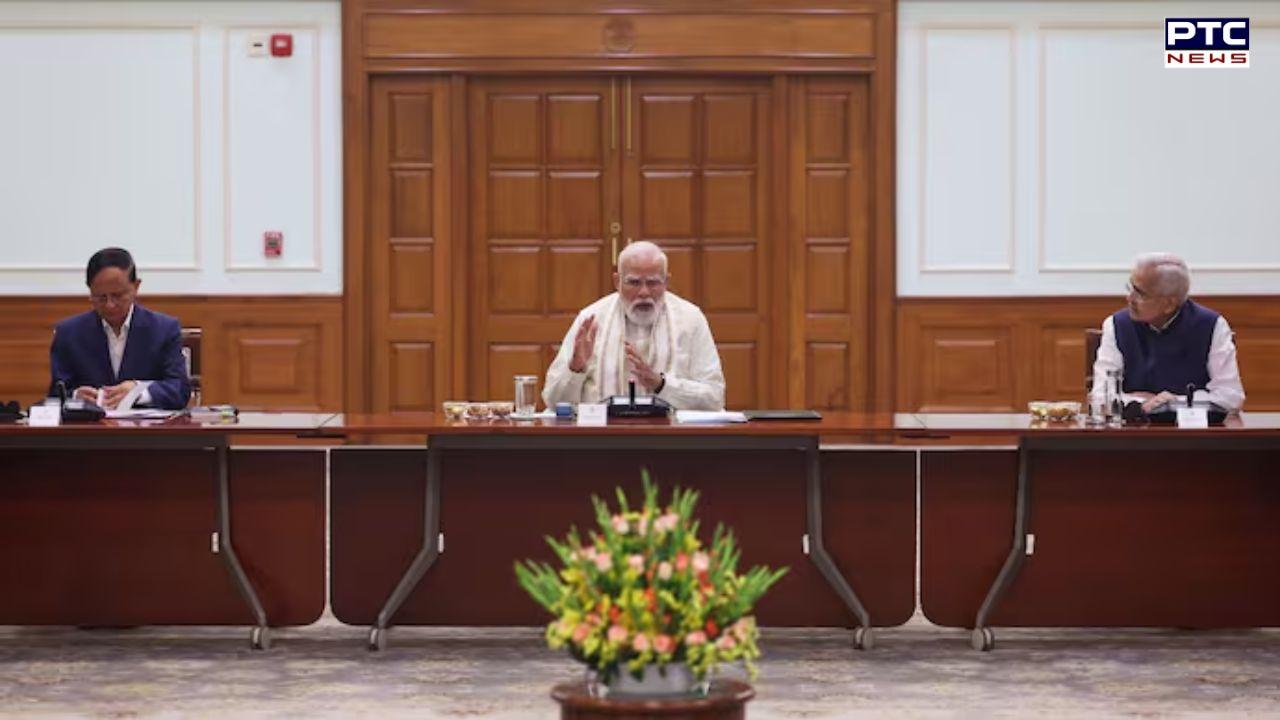
PM Modi chairs Economic Advisory Council meeting, discusses measures to boost economic growth





PTC News Desk: Prime Minister Narendra Modi on Saturday chaired a meeting of the Prime Minister’s Economic Advisory Council (PM-EAC), with members discussing ways to maintain India’s growth trajectory amid rising global uncertainties and escalating geopolitical tensions.
Sources said the council examined a range of policy options aimed at strengthening the economy, improving resilience to external shocks and accelerating reforms to enhance both ease of living and ease of doing business. Members reviewed the changing global economic environment and evaluated the potential impact of the ongoing conflict in West Asia on India and the broader world economy.
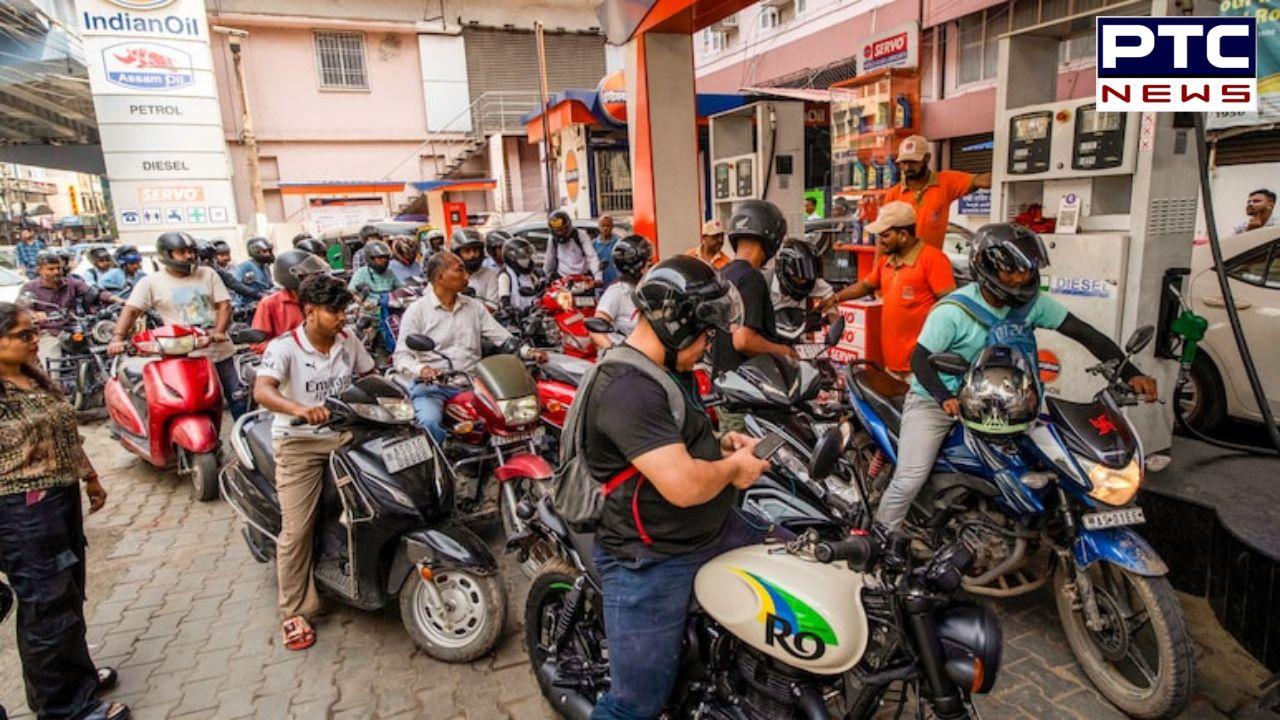
The discussions focused on concerns such as disruptions in energy markets, supply chains, inflationary pressures and global trade flows, all of which have emerged as significant challenges for economies worldwide. The meeting comes as the government closely tracks developments in the region amid uncertainty surrounding energy supplies and their implications for major import-dependent nations, including India.
Council members also explored measures to stimulate domestic economic activity, encourage investment, raise productivity and create a more business-friendly environment. Efforts to reduce compliance burdens, improve public service delivery and enhance citizens’ quality of life were among the key reform areas discussed.
The meeting assumes added significance in light of Prime Minister Modi’s recent remarks highlighting the growing challenges facing the global community. Speaking at a World Environment Day event in Surat on Friday, the Prime Minister said the current decade was increasingly turning into a “decade of disasters,” marked by successive crises ranging from the Covid-19 pandemic and armed conflicts to disruptions in energy markets and global supply chains.
He had also pointed to volatility in fuel prices and stress in international energy supply networks, warning that such developments continue to affect economies across the world.
- With inputs from agencies