Governors, President cannot be given fixed deadlines to approve Bills, says Supreme Court





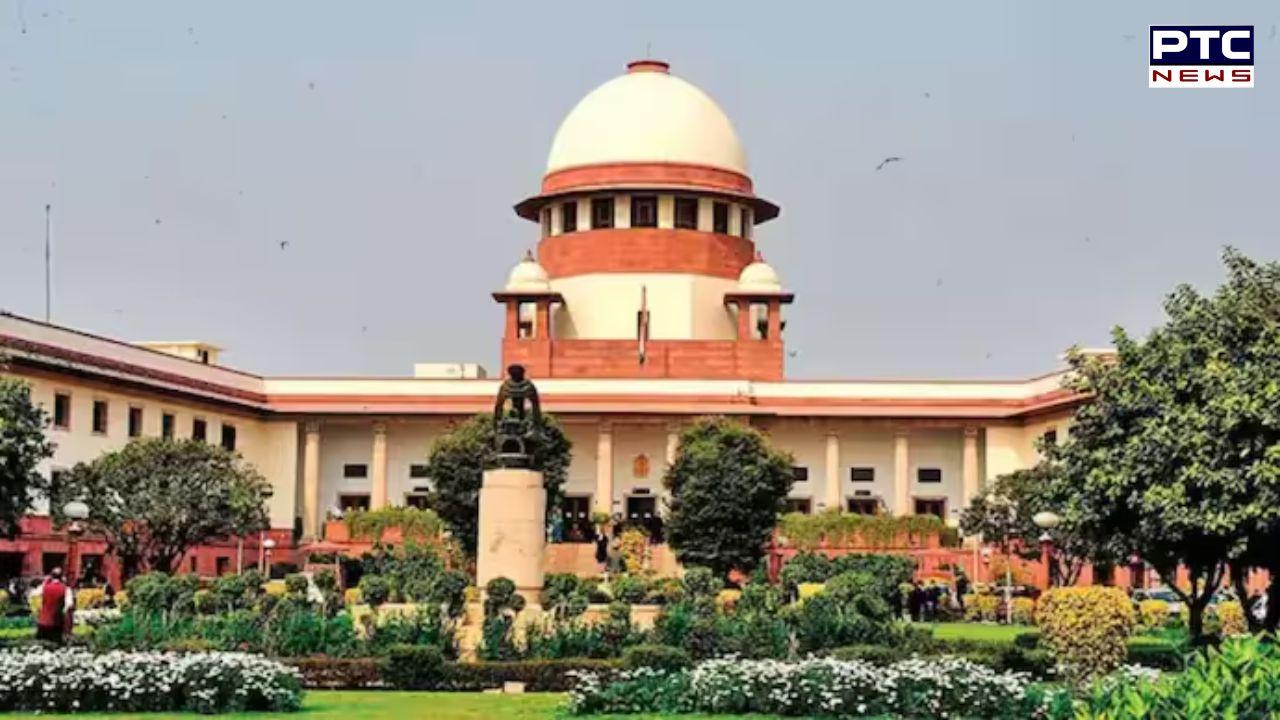
PTC Web Desk: In a significant verdict, the Supreme Court on Thursday said neither the Governor nor the President can be forced to follow fixed deadlines for approving Bills passed by state assemblies. The apex court also said that judges cannot give “deemed assent,” meaning they cannot assume that a Bill is approved just because a certain time has passed.
A five-Judge Constitution Bench headed by Chief Justice BR Gavai said if Governors are allowed to hold bills without following the process under Article 200, it would harm India’s federal system. The Bench, which also included Justices Surya Kant, Vikram Nath, PS Narasimha and AS Chandurkar, made it clear that Governors have only three choices:
Give assent to the Bill,
Send it back to the Assembly for reconsideration, or
Refer it to the President.
The apex court explained that the Constitution gives flexibility to these authorities, and setting strict timelines goes against that idea. It also criticised an earlier Supreme Court order from April 8 in a Tamil Nadu case, where the court had given “deemed assent” to some bills. The bench said such directions wrongly take away the powers of constitutional authorities.
The judges further ruled that the Governor’s decisions under Article 200 cannot be challenged in court. They also said Article 142 , which gives the Supreme Court special powers, cannot be used to create “deemed assent.”
Chief Justice Gavai pronounced the unanimous verdict. Solicitor General Tushar Mehta thanked the court on behalf of President Droupadi Murmu, calling the judgment “illuminating.”
The Constitution Bench heard the matter for 10 days before reserving the judgment on September 11. Arguments were presented by Attorney General R. Venkataramani, Solicitor General Mehta, and senior advocates like Kapil Sibal, Gopal Subramanium, and Arvind Datar, who represented different state governments.
The case came to the Supreme Court through a Presidential reference under Article 143(1). The President had sought clarity on 14 constitutional questions, including whether the April 8 decision, which struck down Tamil Nadu Governor RN Ravi’s withholding of assent for multiple re-enacted bills , was legally correct.
- With inputs from agencies