Chidambaram admits UPA shelved military response to 26/11 amid global pressure; BJP slams Congress





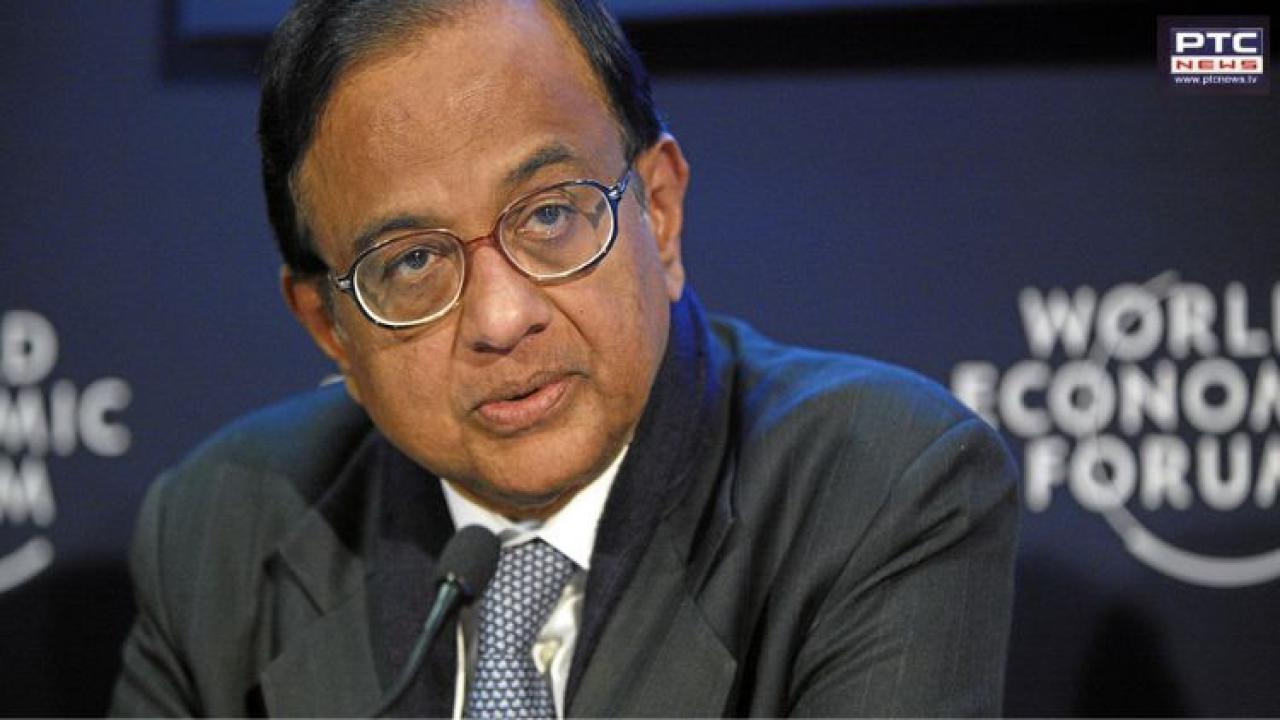
PTC Web Desk: Former Union Home Minister P Chidambaram has revealed that the Congress-led UPA government decided against military retaliation on Pakistan after the 26/11 Mumbai terror attacks due to intense pressure from the international community and the advice of the Ministry of External Affairs. His candid remarks have triggered a sharp political storm, with the BJP accusing the Congress of succumbing to foreign influence and mishandling one of India’s deadliest terror strikes.
Chidambaram, who assumed charge of the Home Ministry just days after the November 2008 attacks, admitted that “retribution crossed my mind” but the government ultimately refrained from launching a military strike. The coordinated assault by Lashkar-e-Taiba terrorists killed 175 people across Mumbai landmarks, including the Taj Mahal Palace Hotel, CST railway station, Oberoi Trident, Leopold Café, Cama Hospital and Nariman House.
Speaking in a television interview, Chidambaram said, “The whole world descended upon Delhi to tell us ‘don’t start a war.’ Condoleezza Rice, then US Secretary of State, flew in two or three days after I took over to meet me and the Prime Minister, urging restraint. While an act of retribution did cross my mind, the government collectively decided against it.”
According to him, the Prime Minister and senior officials weighed the option of military action even as the attacks unfolded, but the final decision, influenced by the Ministry of External Affairs and the Indian Foreign Service, was to avoid a physical response.
The BJP swiftly latched onto the admission, terming it proof of what the nation had suspected for years. Union Minister Pralhad Joshi said, “After 17 years, Chidambaram admits what was already known — 26/11 was mishandled due to foreign pressure. Too little, too late.”
Party spokesperson Shehzad Poonawalla went further, alleging that Chidambaram initially hesitated to take charge as Home Minister, favoured retaliation, but was overruled. He questioned whether Congress chief Sonia Gandhi or then Prime Minister Manmohan Singh blocked the move, and accused the UPA government of “taking orders” from Condoleezza Rice.
“Why did Sonia Gandhi prevail over the Home Minister? Why was the UPA giving Pakistan a clean chit on 26/11 and the Samjhauta Express blasts, while peddling the Hindu terror narrative? Why grant Pakistan Most Favoured Nation status despite repeated attacks?” Poonawalla asked.
The controversy also comes against the backdrop of the BJP highlighting its own record of firm responses to terror, including precision strikes during Operation Sindoor following the Pahalgam attack earlier this year. The party has repeatedly contrasted this with what it calls the UPA’s “timid” approach during 26/11.
Chidambaram’s disclosure has reignited debate over how India should have responded to the Mumbai carnage, underscoring deep political fault lines over national security, foreign policy, and the legacy of one of the country’s darkest chapters.
- With inputs from agencies