Even in death, Swaran Singh Bhangu serves humanity through body donation; how this process works in India





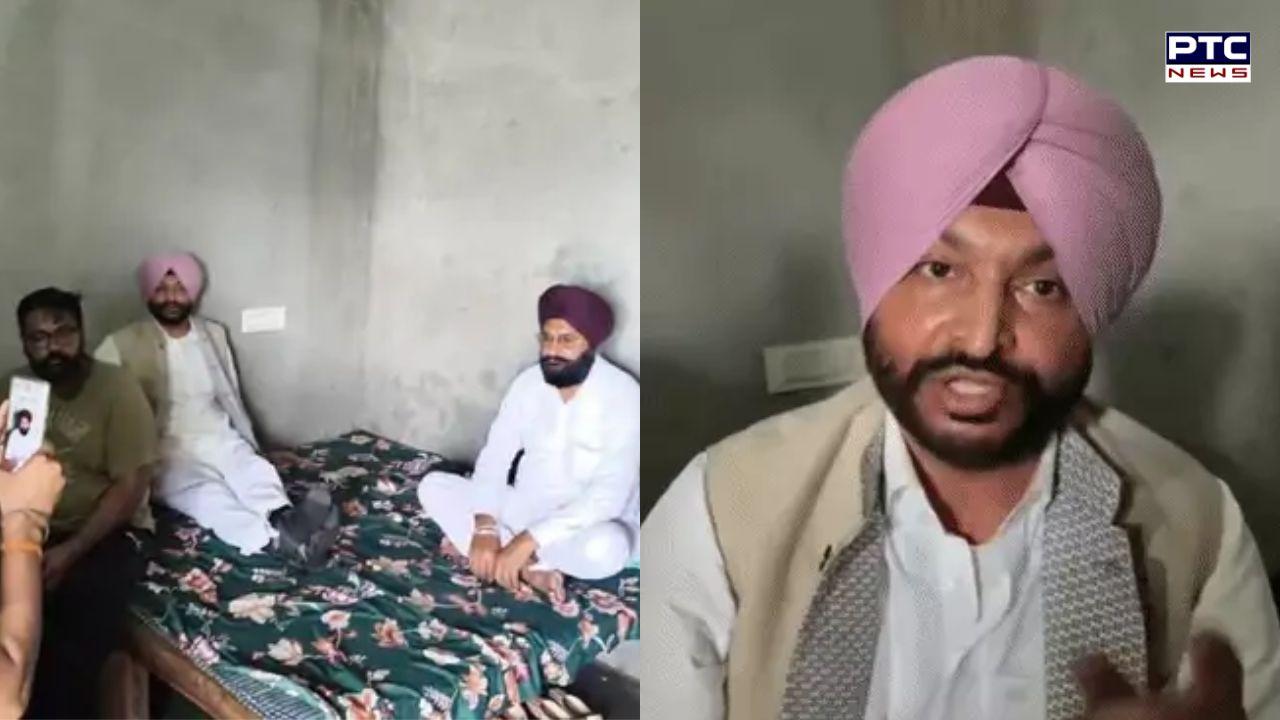
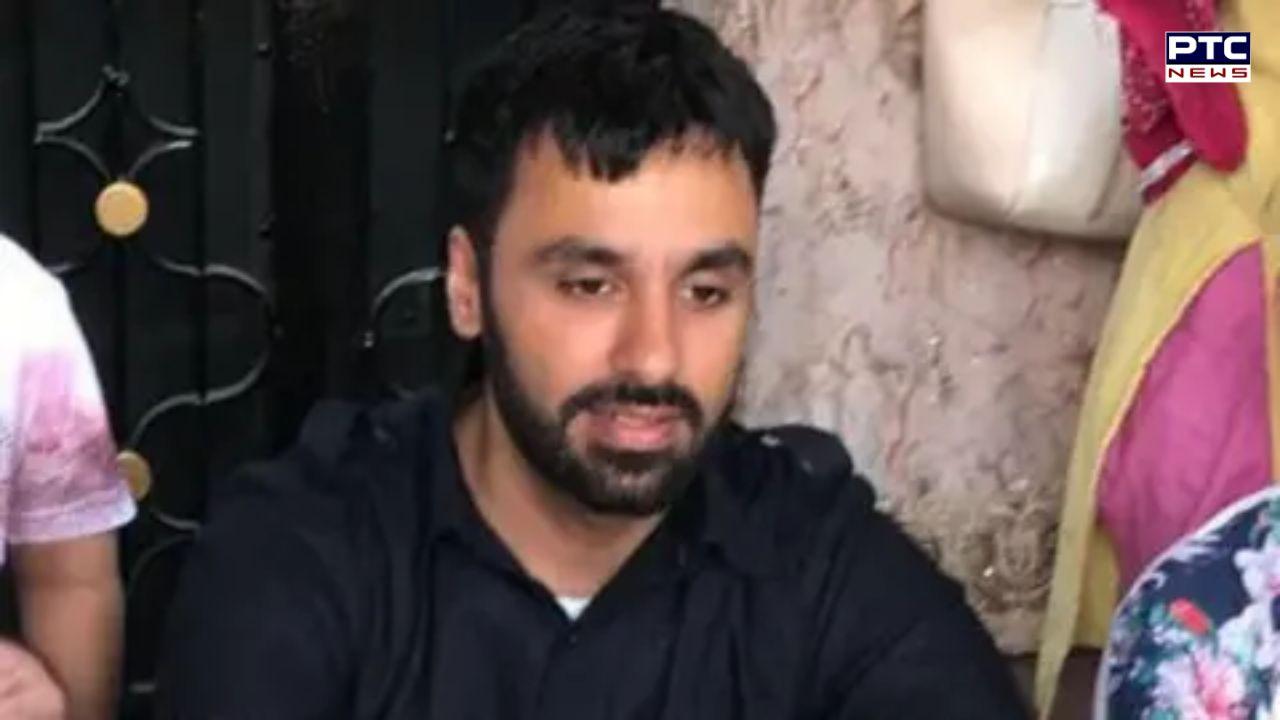
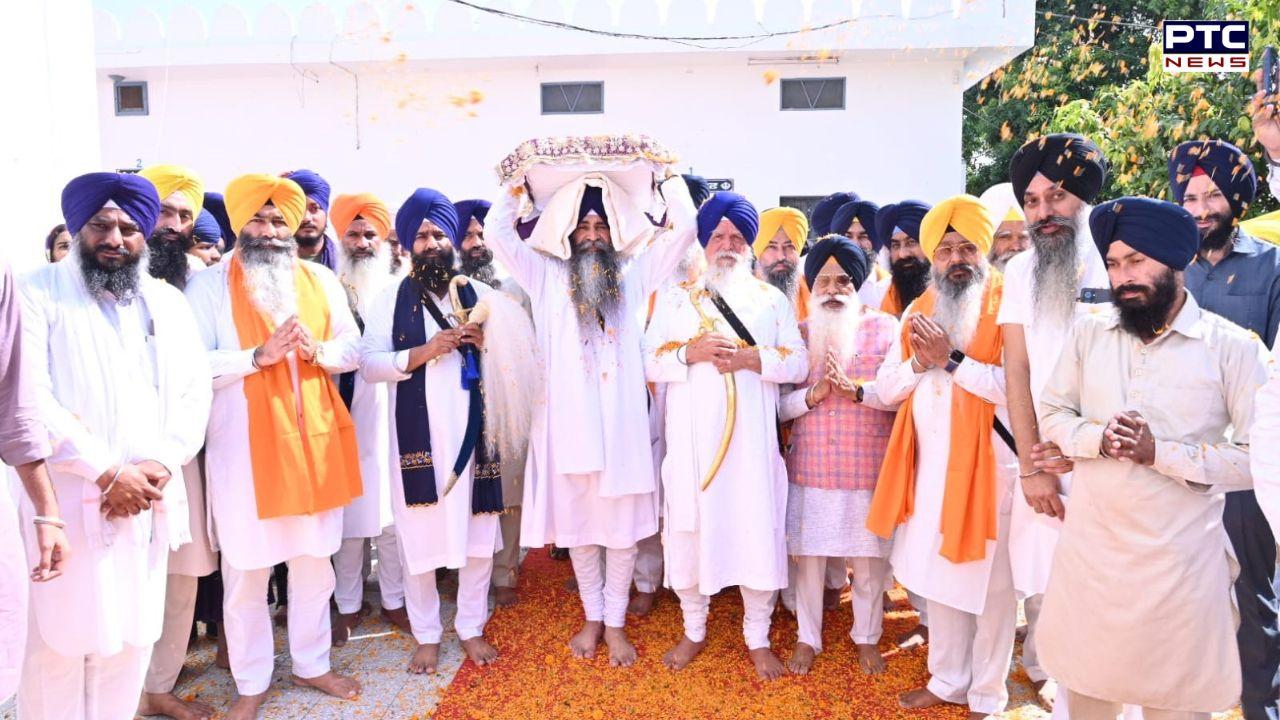
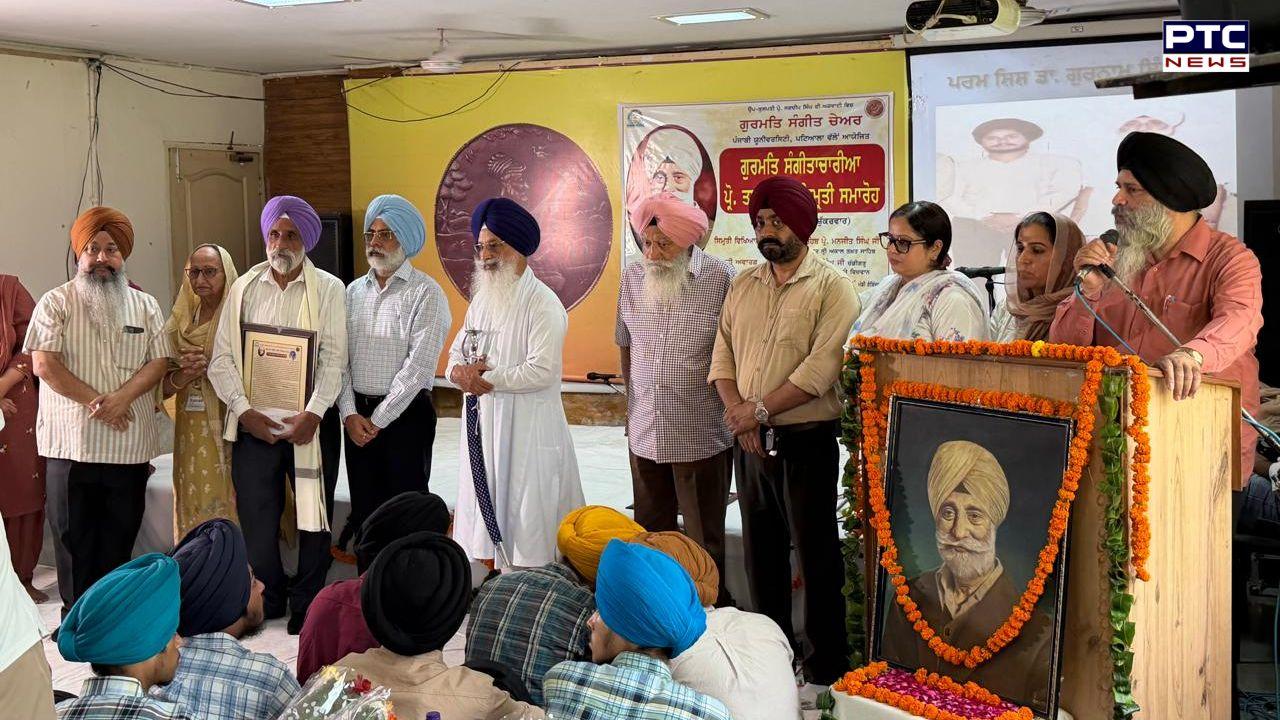
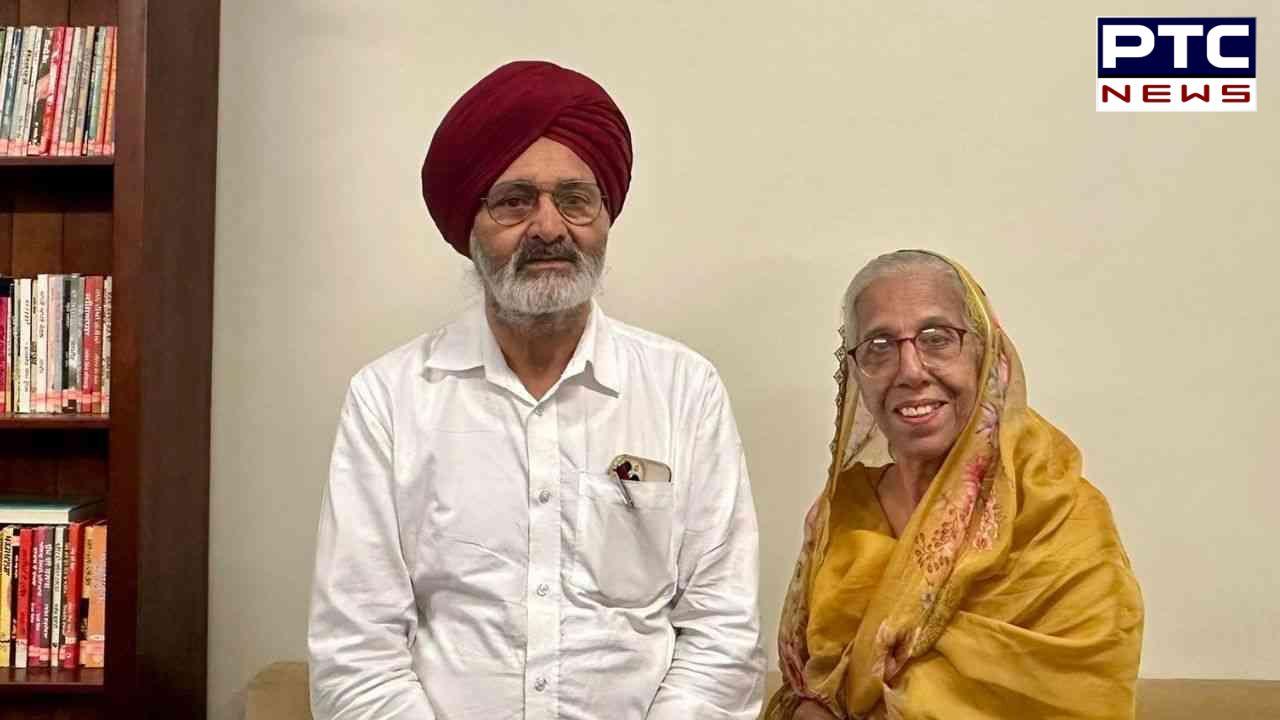
PTC Web Desk: Even in death, veteran journalist and social worker Swaran Singh Bhangu, husband of renowned Punjabi actor Gurpreet Kaur Bhangu, set an inspiring example of public service by donating his body for medical education and research.
Bhangu, who passed away in a tragic accident at Chamkaur Sahib, Punjab, on May 4, had pledged years ago to donate his body after death. In accordance with his wishes, his family handed over his mortal remains to the Post Graduate Institute of Medical Education and Research (PGIMER), Chandigarh.
His decision has drawn widespread appreciation from members of the media fraternity, social organisations and the public, who have hailed the gesture as a noble contribution to humanity and medical science.
Family members said Bhangu had registered himself as a body donor several years ago, demonstrating his commitment to serving society beyond his lifetime. His final wish was honoured by his family members and relatives following his demise.
The incident has also renewed public interest in body donation, a practice that plays a crucial role in medical education and research across the country.
Individuals aged 18 years and above can voluntarily pledge to donate their bodies after death. The process generally involves contacting the Anatomy Department of a nearby medical college, completing a body donation pledge form and submitting identity documents, photographs and witness signatures. Once registered, the donor is issued a donor card by the institution.
Medical experts advise donors to inform their family members and close relatives about their decision, as the family's consent and cooperation are vital after the donor's death.
Following a donor's death, family members are required to immediately inform the Anatomy Department of the medical college concerned. A death certificate must be obtained, and the body, along with the necessary documents, is transported to the institution. The deceased person's identity proof and the consent and identification documents of the next of kin are also required.
Medical institutions may decline body donations in certain circumstances, including cases involving infectious diseases such as HIV, active hepatitis or tuberculosis. Bodies that have undergone significant decomposition may also be rejected.
In many cases, bodies involved in medico-legal investigations, including road accidents, murder or suicide cases, are not accepted. Some institutions also do not accept bodies that have undergone a post-mortem examination.
While organ donation involves transplanting organs such as the heart, kidneys or liver into patients in need, body donation refers to the donation of the entire body for medical teaching, training and scientific research.
After being accepted by a medical institution, the body is preserved through a scientific process known as embalming. It is then used by medical students, researchers and healthcare professionals for education, training and research purposes. Once the academic and research use is completed, the remains are disposed of respectfully in accordance with institutional protocols.
- PTC NEWS