Democrat Zohran Mamdani wins New York polls, becomes first Indian-origin Muslim mayor





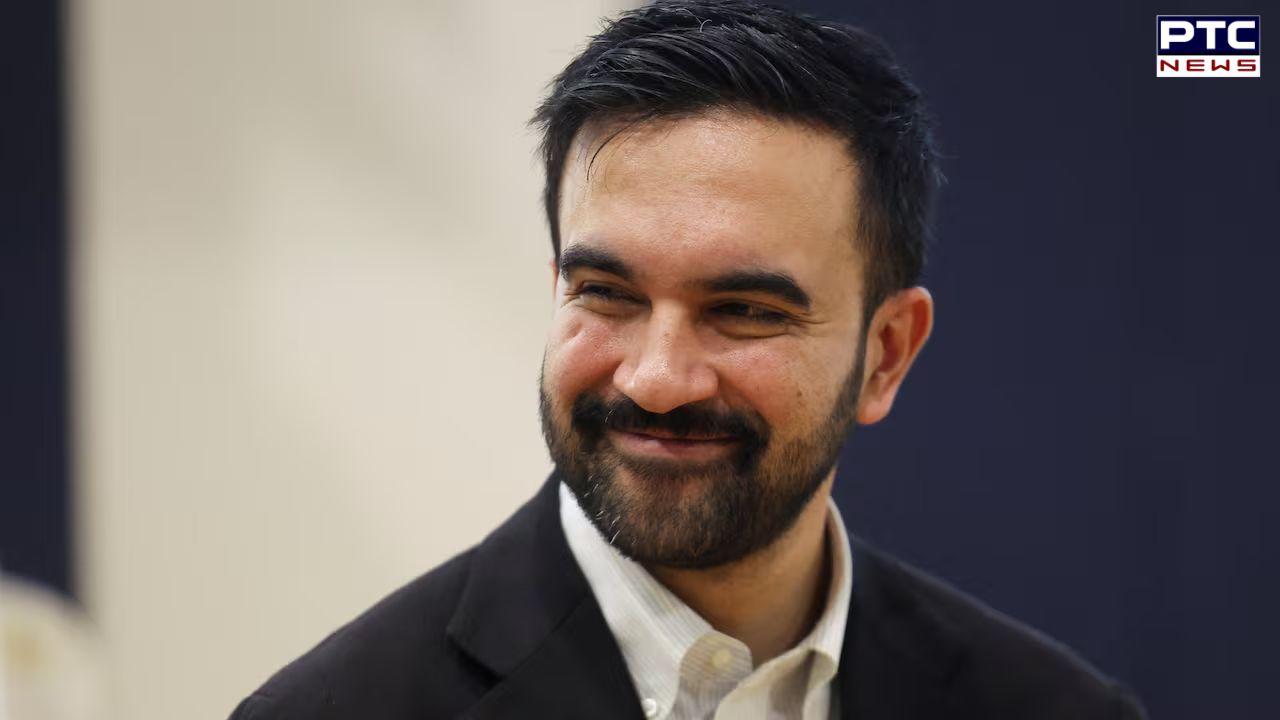
PTC News Desk: Zohran Kwame Mamdani has won New York City’s mayoral race, becoming the first Muslim, first Indian-origin, and first African-born person to lead America’s largest city and financial hub.
Mamdani’s victory marks a historic and rapid political ascent for the once-underdog candidate, whose working-class message and personal appeal resonated with voters across all five boroughs. His triumph is also seen as a significant boost for progressive Democrats at a time of deep divisions within the party over how to counter US President Donald Trump.
The self-described democratic socialist defeated former New York Governor Andrew Cuomo for the second time, following his win over him in the June Democratic primary. Republican candidate Curtis Sliwa, who remained in the race despite ridicule from
Trump, finished a distant third. When Mamdani, 34, takes office on January 1, he will also become New York’s youngest mayor in over a century. According to the city’s Board of Elections, more than two million people voted — the highest turnout for a mayoral contest since 1969.
After major networks declared Mamdani the winner, Sliwa conceded defeat but vowed to remain active in New York politics. “We will hold the mayor-elect accountable to ensure he serves all residents and that socialism doesn’t replace capitalism,” the Republican told NBC News.
Throughout his campaign, Mamdani faced attacks from Republicans, including Trump, who branded him a “communist,” threatened to cut off federal funding, and even suggested “taking over” the city if Mamdani won. Trump also questioned his eligibility, though Mamdani has been a naturalized US citizen since 2018.
Born in Uganda to filmmaker Mira Nair and scholar Mahmood Mamdani — both of Indian descent — Mamdani moved to New York as a child and was raised in Queens. His campaign focused on tackling the city’s affordability crisis, pledging to expand social programs in one of the world’s most expensive cities. His proposal to fund these initiatives through higher taxes on the wealthy and large corporations drew strong opposition from New York’s billionaire class.
- With inputs from agencies