'Mother of all trade deals': India, European Union seal historic Free Trade Agreement





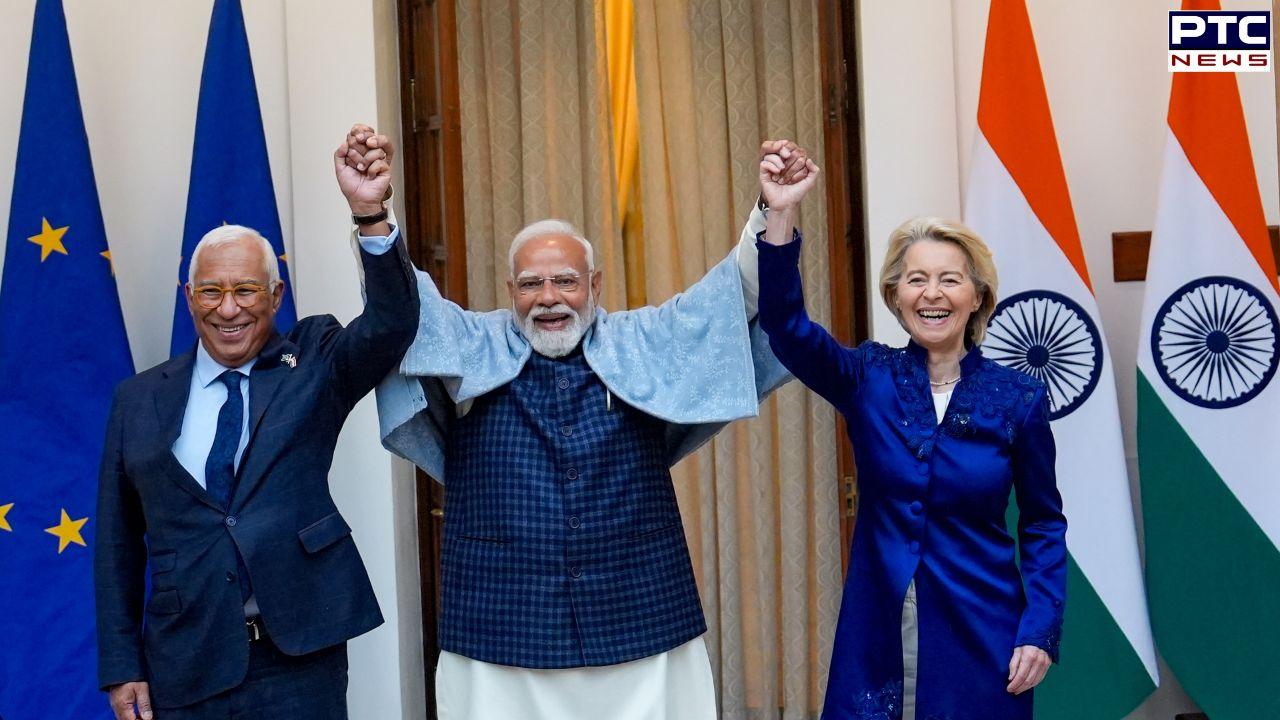
PTC News Desk: India and the European Union has signed historic Free Trade Agreement at the 16th European Union-India Summit in New Delhi with President of the European Commission Ursula von der Leyen and visiting President of the European Council, Antonio Costa, to announce the 'mother of all trade deals'.
The numbers make one thing clear, a wide-ranging tariff cuts across various sectors are anticipated that could significantly shift India's import landscape over the next decade.
The most significant highlight of the deal concerns the automobile sector. India is set to slash tariffs on European cars to 10 percent, a steep reduction from the current effective duty that can reach around 70 percent. During the transition period, imports will be capped at 2,50,000 vehicles annually. The EU believes this move could transform India’s premium car market.
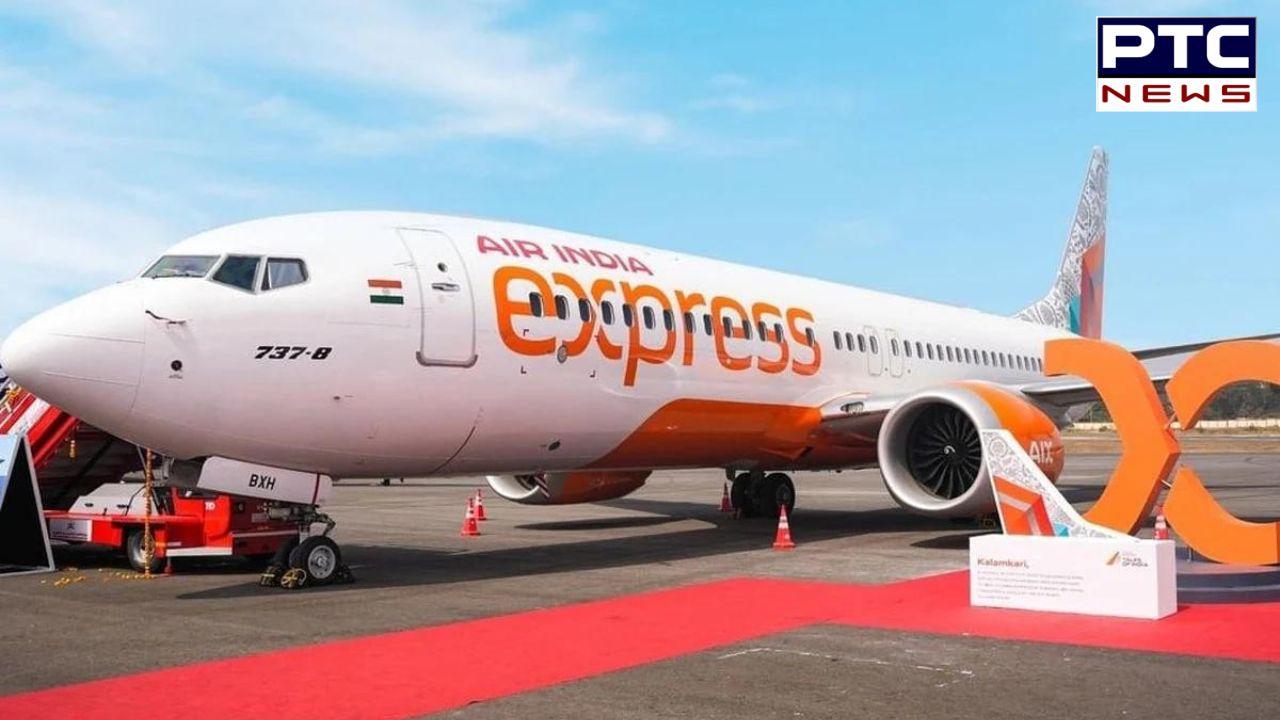
However, the agreement extends far beyond automobiles. Duties on over 90 percent of EU exports to India will be reduced or completely removed. The European Commission estimates the pact could double EU exports to India by 2032 and save up to 4 billion euros annually in customs duties. Tariffs on machinery (currently up to 44 percent), chemicals (up to 22 percent), and pharmaceuticals (around 11 percent) will largely be phased out. Aircraft and spacecraft are expected to receive near-total tariff exemptions.
Chemical products will see broad duty removal, while about 90 percent of optical, medical, and surgical equipment will become duty-free, potentially lowering healthcare costs in India.
The food and beverage sector will also see major changes. India plans to reduce tariffs on European wines to 20–30 percent, spirits to 40 percent, and beer to 50 percent. Duties on EU olive oil, margarine, and vegetable oils will be reduced or eliminated. Medical equipment is another key beneficiary, with tariffs on most items set to drop to zero.
Additionally, the EU has gained preferential access for its service providers in sectors such as finance and maritime operations — a move Brussels describes as a significant breakthrough given India’s historically cautious stance on foreign services.
To ease the transition, the EU has pledged 500 million euros over the next two years to support India in cutting greenhouse gas emissions and boosting climate-friendly investments.
Overall, the EU says the trade agreement will open India’s market more than ever before, strengthening Europe’s position in one of the world’s fastest-growing consumer economies. Meanwhile, India now faces the challenge of preparing domestic industries — including autos, chemicals, machinery, and medical devices — for increased competition from European firms.
- With inputs from agencies