US Supreme Court to decide on Trump’s authority to impose global tariffs under emergency law





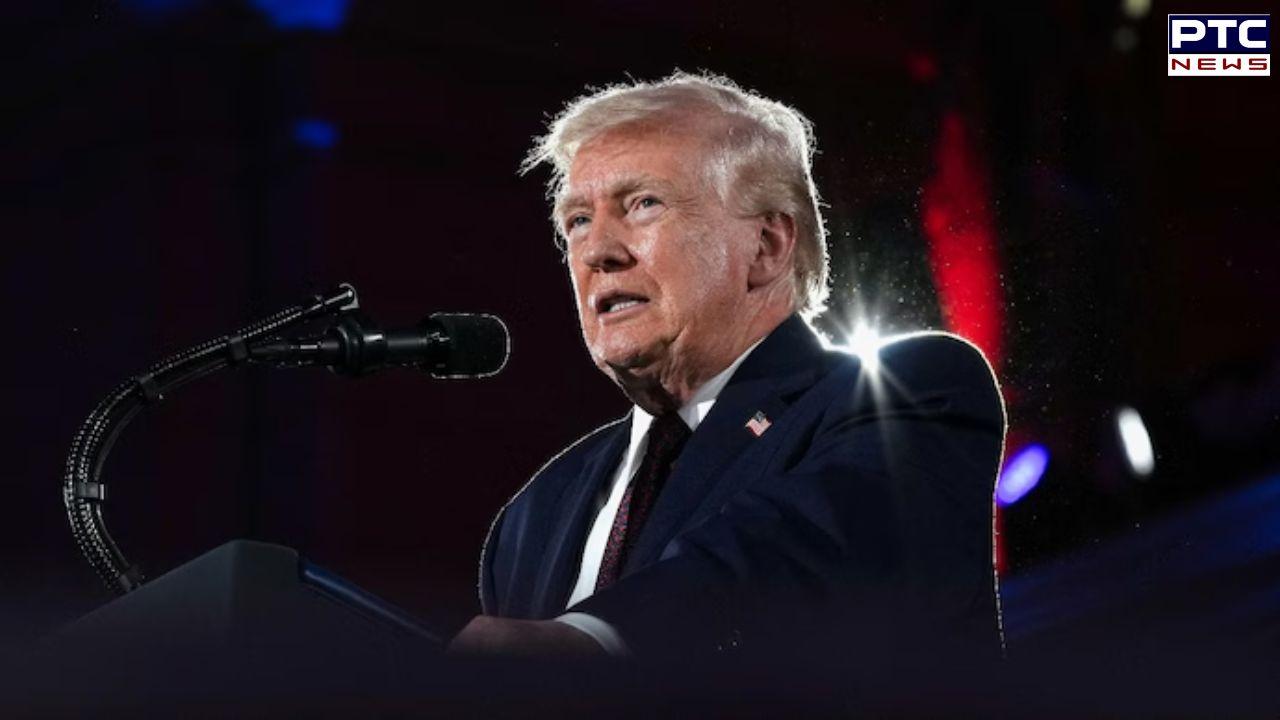
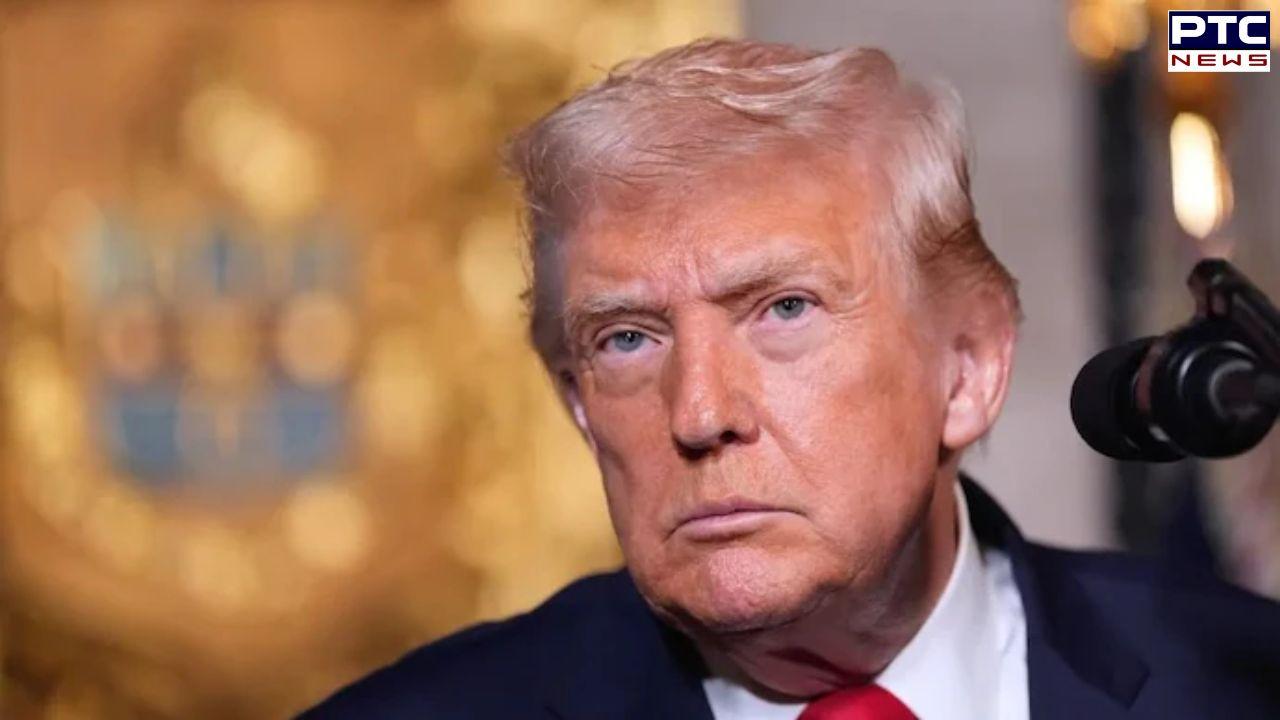
PTC WEB Desk: The United States Supreme Court is set to deliver a crucial verdict on Wednesday on whether President Donald Trump had the legal authority to impose sweeping global tariffs under an emergency law. The decision, expected by 8.30 pm IST, could have far-reaching consequences for US trade policy, presidential powers, and global markets.
The case revolves around tariffs imposed by Trump in April 2025, when he invoked national security concerns to levy heavy import duties on goods from several countries. Trump has warned that if the Supreme Court strikes down these tariffs, the US could be forced to return billions of dollars collected from companies, potentially destabilising the economy.
According to Trump, the tariffs generated over $600 billion in revenue, which he claims strengthened the US economy and reduced dependence on foreign imports. He argued that trade deficits and reliance on overseas supply chains posed a national security risk, justifying the emergency measures.
At the heart of the dispute is the International Emergency Economic Powers Act (IEEPA), a law enacted in 1977. The legislation allows the US President to take extraordinary economic actions during serious international threats, such as war, foreign economic aggression, or major global crises.
Traditionally, presidents have used IEEPA to impose sanctions, freeze foreign assets, or restrict financial transactions involving hostile nations. Trump, however, became the first US president to use the law as a basis for imposing broad tariffs on imports.
The Supreme Court must now decide whether IEEPA gives the president the authority to impose large-scale and long-term tariffs without congressional approval. According to reports, the judges will examine whether such tariffs fall under emergency economic powers or whether they infringe upon Congress’s constitutional authority over taxation and trade.
Lower courts, including the Court of International Trade and the Federal Circuit Court, earlier ruled against the Trump administration, stating that IEEPA does not explicitly grant tariff-imposing powers. The courts argued that tariffs function as taxes, which fall under Congress’s jurisdiction.
The legal challenge was brought by small business groups along with 12 US states, including New York, California, Illinois, and Arizona. The plaintiffs contend that the tariffs exceeded presidential authority and caused financial harm to businesses dependent on global supply chains.
During hearings held in November 2025, Supreme Court judges expressed scepticism over the administration’s interpretation of IEEPA, noting that the term “tariff” is not mentioned in the law.
If the Supreme Court rules against Trump, the tariffs could be withdrawn, companies may seek refunds, and global trade tensions could ease. Exporters from countries such as India, China, and those in Europe may benefit, while global markets could react positively.
However, if the court upholds Trump’s actions, it would significantly expand presidential power, allowing future US presidents to impose trade restrictions under the banner of national security without congressional consent. Such a ruling could intensify global trade disputes and invite retaliatory tariffs from other nations.
India, in particular, has been affected, facing a total 50% tariff on certain exports to the US, including a penalty linked to its purchase of Russian oil. Ongoing negotiations aim to reduce these tariffs in the coming months.
- With inputs from agencies