RBI hikes repo rate to 5.50%: Why it happened and what it means for your loan | Explained





PTC Web Desk: Prices are rising and they are set to rise further. Borrowing from banks is also about to get costlier. That is the message from the Reserve Bank of India (RBI), which has raised the repo rate for the first time since February 2023, a gap of nearly four years.. The rate has gone up from 5.25% to 5.50%.
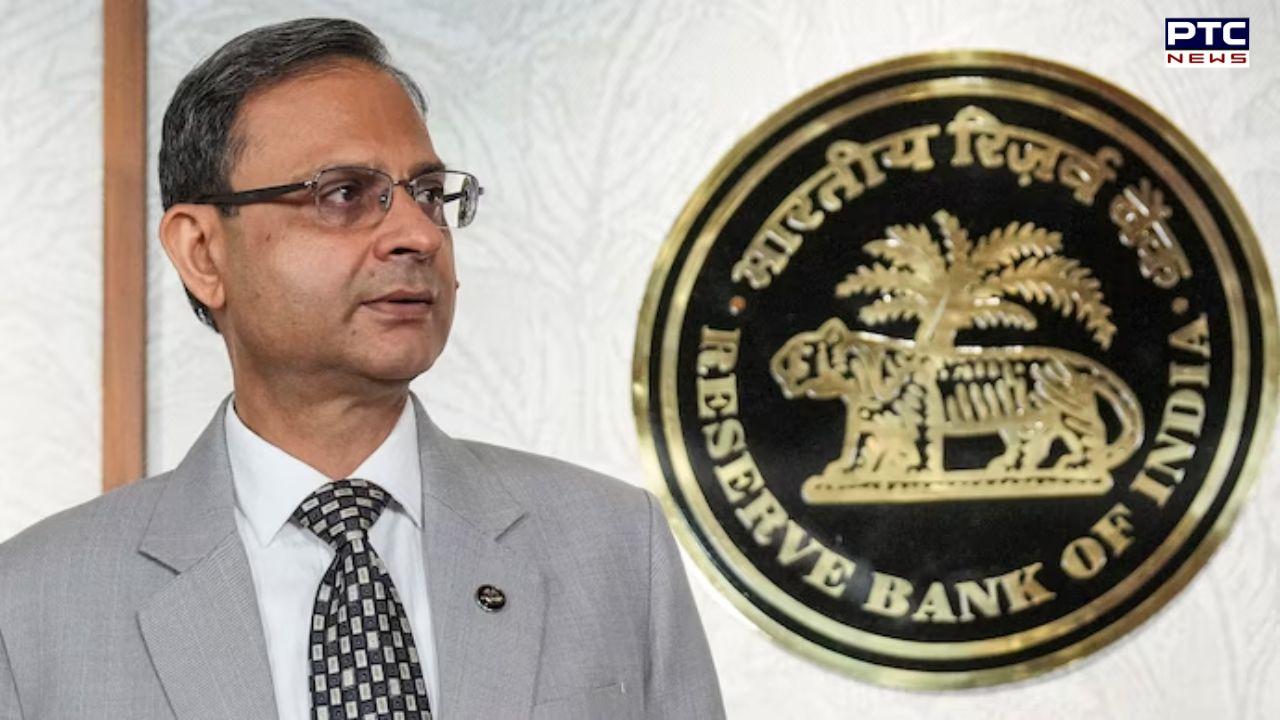
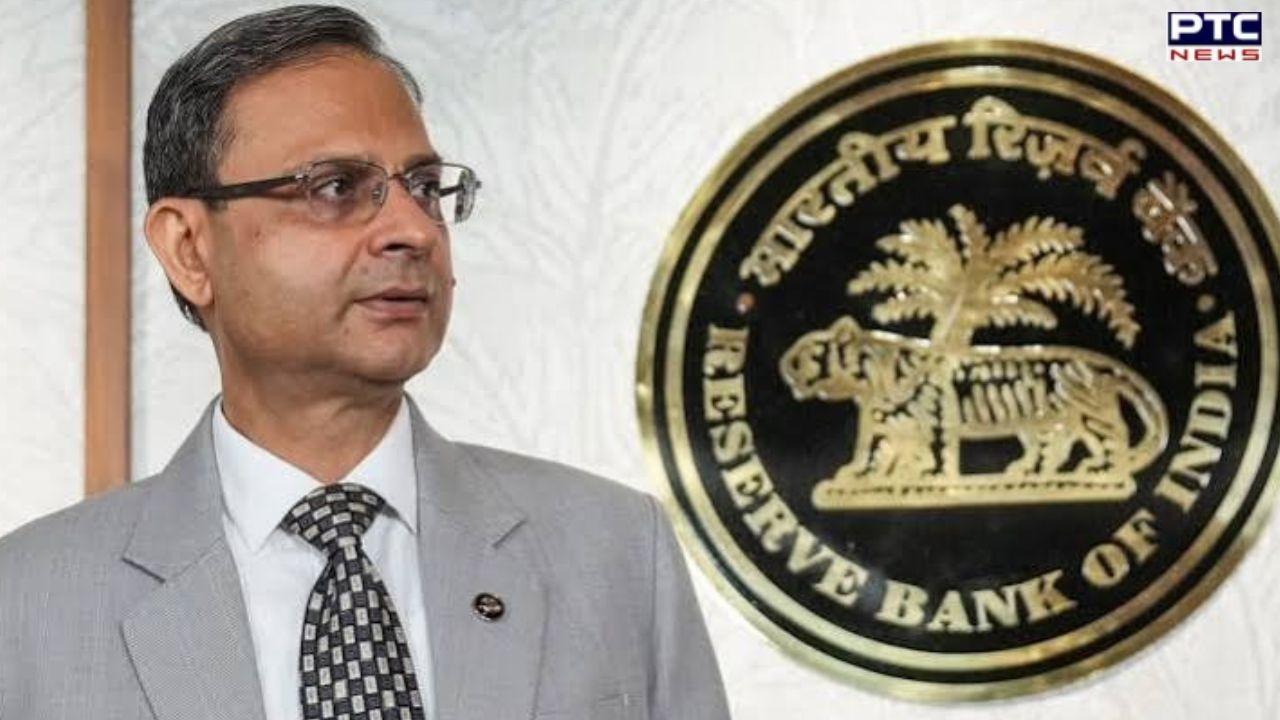
RBI Governor Sanjay Malhotra announced the decision on October 7, after the three-day meeting of the Monetary Policy Committee (MPC). The RBI also changed its policy stance to "calibrated tightening".
First, what is the repo rate?
The repo rate is the interest rate at which banks borrow from the RBI. The logic is simple. When the RBI lends to banks at a higher cost, banks pass that on and charge people more for loans. Borrowing becomes expensive, so people take fewer loans and spend less. Lower spending means lower demand and that helps keep inflation under control.
Why did the RBI raise it?
Governor Sanjay Malhotra said rising crude oil prices, global pressures and bad weather have increased the risk of food inflation. The RBI wants to act early to rein in prices and keep the economy stable.
The central bank has also raised its inflation forecast. For 2026-27, inflation is now expected at 5.2%, up from the earlier estimate of 5.0%.
Rate cuts are off the table for now
The change in stance to "calibrated tightening" carries a bigger signal than the hike itself. It means the door to rate cuts has been shut for the time being. In the coming meetings, the RBI will either keep rates where they are or raise them further if needed.
Experts feel controlling inflation is now the RBI's first priority.
On the other hand, there is some relief on the economic front. The RBI has raised its GDP growth forecast for 2026-27 from 6.7% to 7.1%. By quarter, growth is expected at 7.2% in Q2 and 6.9% in Q3. The Q4 estimate is unchanged at 6.8%.
What changes for you
Around 7 out of 10 borrowers have loans linked to the repo rate, so the decision will affect most loan customers quickly. If your loan is on a floating rate, meaning it is linked to the repo rate, banks are expected to raise interest rates within a few days. Either your EMI will go up or your loan tenure will become longer.
A new home loan or car loan will cost more in the coming days. Once banks apply the new rates, loan eligibility may also come down a little.
When could the repo rate come down again?
If inflation stays under control and economic conditions allow it, the RBI could cut rates later. At every meeting, it decides on rates after looking at inflation, economic growth and domestic and global conditions.
Knowledge box: where did repo rate idea come from?
The concept goes back to 1917, during the First World War. Banks were facing a heavy tax burden, which made borrowing costly and difficult. To ease this, reduce the tax burden and make money easily available to banks, the US central bank (the Fed) introduced the repo system for the first time.
It has changed a lot since then. At first, only select member banks could use the facility. Primary dealers joined in the 1950s and today both banks and dealers use it. It was earlier based on a fixed discount rate. Later it was linked to market rates and now the US FOMC committee decides it. Initially, only government and war bonds were pledged against the loan. Later, treasury securities were accepted and after 1999, mortgage-linked bonds too.
The whole structure has changed since 1917. Today it is one of the biggest and most effective tools for controlling the flow of money (liquidity) in banking systems across the world, including India.
Also Read | Loans to get costlier as RBI hikes repo rate to 5.5 %, cites inflation; first raise since 2023
- PTC NEWS