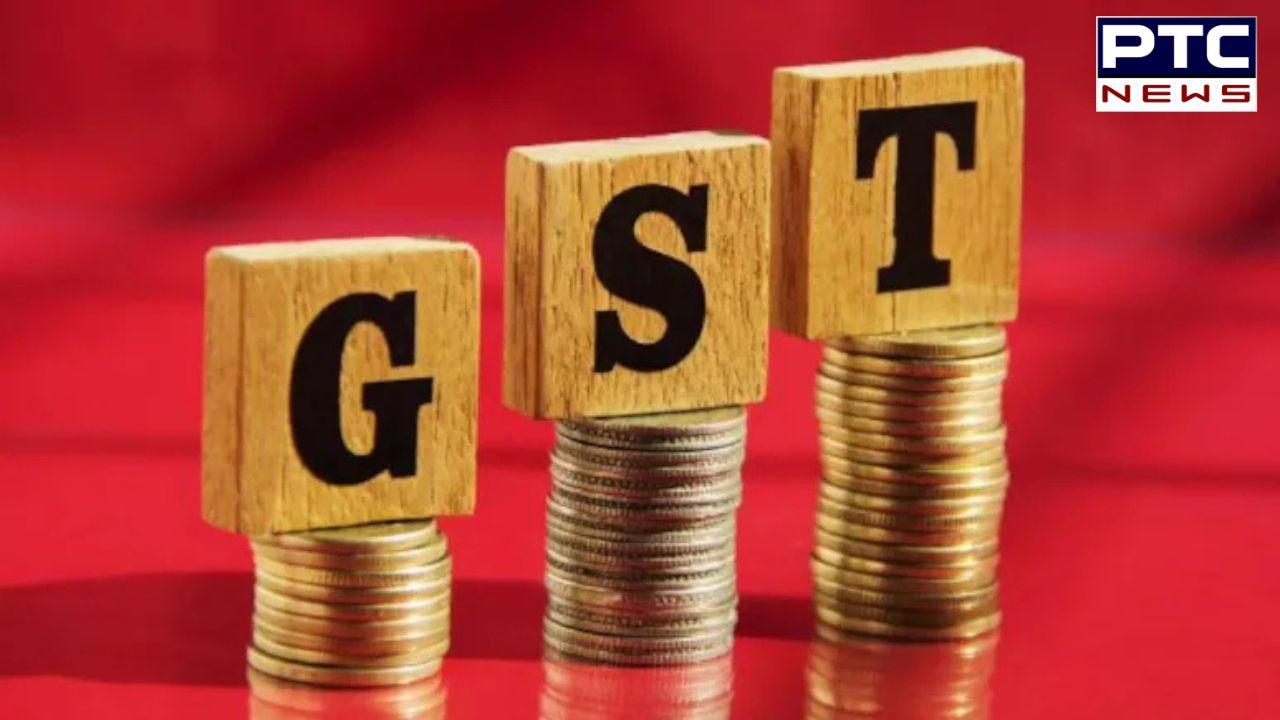
GST overhaul: 12% and 28% rates scrapped, only 5% and 18% to remain





PTC Web Desk: The long-discussed revamp of the Goods and Services Tax (GST) has inched closer to reality, with the Group of Ministers (GoM) on rate rationalisation endorsing a plan to simplify the current structure.
In a crucial meeting on Thursday, state ministers agreed to the Centre’s proposal of replacing the four existing GST slabs—5%, 12%, 18%, and 28%—with just two principal rates of 5% and 18%. The reform, dubbed GST 2.0, is aimed at reducing compliance complexity while bringing relief to households and businesses.
Under the new system, the 12% and 28% slabs will be removed. Most goods and services will now fall under the 5% or 18% categories. A special 40% levy will remain applicable on “sin goods” such as tobacco products and high-end luxury items, including luxury cars.
Nearly 99% of products currently taxed at 12% are expected to shift to the 5% slab, while about 90% of items in the 28% bracket will move down to 18%. The meeting, chaired by Bihar Deputy Chief Minister Samrat Choudhary, included key state representatives such as UP Finance Minister Suresh Kumar Khanna, Rajasthan Health Minister Gajendra Singh, West Bengal Finance Minister Chandrima Bhattacharya, Karnataka Revenue Minister Krishna Byre Gowda, and Kerala Finance Minister K N Balagopal.
The Finance Ministry noted that the restructured slabs will benefit households, farmers, and middle-income families by lowering tax rates on essential goods. Everyday products such as medicines, processed food, footwear, clothing, and several home-use items are set to attract only 5% GST.
Durable items like televisions and large appliances, which earlier fell under the 28% slab, will now be taxed at 18%, potentially reducing prices for middle-class families.
Finance Minister Nirmala Sitharaman said the revised structure would deliver “greater relief to the common man, farmers, the middle class, and MSMEs while ensuring a transparent and growth-oriented tax regime.”
Insurance exemption under consideration
The GoM also reviewed a proposal to exempt health and life insurance premiums from GST. If implemented, policyholders would no longer be required to pay tax on their premiums. However, this could cost the exchequer nearly Rs 9,700 crore annually. While most states welcomed the proposal, they demanded strict monitoring to ensure insurers pass on the benefit to customers.
The recommendations will now be placed before the GST Council, chaired by the Union Finance Minister, for final approval in the upcoming session.
If cleared, the two-slab system will represent one of the most significant reforms since GST’s launch in 2017, streamlining compliance for businesses and easing the tax burden for consumers.
- With inputs from agencies