High Court rejects man's Indian citizenship claim despite 16 supporting documents





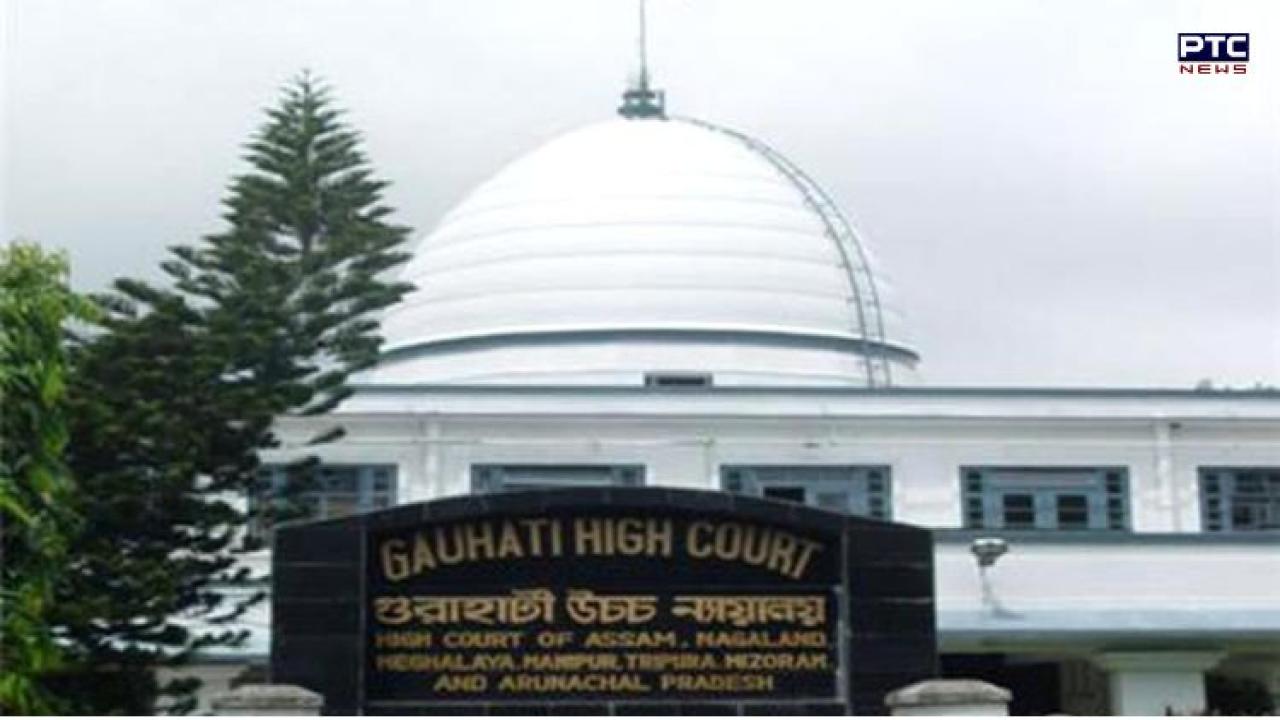
PTC Web Desk: The Gauhati High Court has upheld the decision of a Foreigners Tribunal that declared an Assam resident a foreigner, observing that the documents produced before the court were not sufficient to legally establish his Indian citizenship.
A division bench of Justices Kalyan Rai Surana and Shamima Jahan, in its June 30 judgment, ruled that the burden of proving citizenship rests with the individual whenever such a question is raised under Section 9 of the Foreigners Act.
The case was filed by Aminul Hoque, who challenged a February 28, 2019, order of the Foreigners Tribunal in Guwahati that had identified him as a foreigner.
To support his claim, Hoque placed 16 documents before the court. These included extracts from the 1951 National Register of Citizens (NRC), electoral rolls spanning several decades, land records, PAN card details, voter identity documents and a school certificate. He argued that these records showed his family had been living in Assam for generations.
However, the High Court held that merely producing documents was not enough unless they clearly established an unbroken link between the petitioner and his projected ancestors. According to the bench, the evidence on record did not satisfactorily discharge the legal burden required under the Foreigners Act.
During the proceedings, Hoque's father appeared before the court and identified him as his son. The judges, however, said oral testimony alone could not substitute documentary evidence that is legally admissible and capable of proving family lineage.
The petitioner's lawyer argued that Hoque worked as a migrant labourer and that minor variations in the spelling of his father and grandfather's names across official records had led to the tribunal's decision.
While the court noted that it was not treating the spelling differences as a major issue, it found that the petitioner had failed to establish a continuous documentary trail connecting three generations of his family across voter lists from the villages of Dobakura, Ghugudoba and Hashdoba.
The bench also observed that the petitioner's explanation that his family had shifted from one village to another was unsupported by independent documentary evidence. It said the claim appeared to have been made only to reconcile inconsistencies found in different electoral records.
The court further examined a school certificate submitted by Hoque, which stated that he had left school in 1999. However, it noted that the headmaster who issued the certificate did not appear before the court to verify its authenticity, reducing its evidentiary value.
After considering the material on record, the High Court concluded that the petitioner had not been able to meet the legal requirement of proving that he is an Indian citizen. Consequently, it declined to interfere with the Foreigners Tribunal's 2019 order declaring him a foreigner.
- With inputs from agencies