PM Modi praises historic SC verdict on Article 370, upholding India's integrity





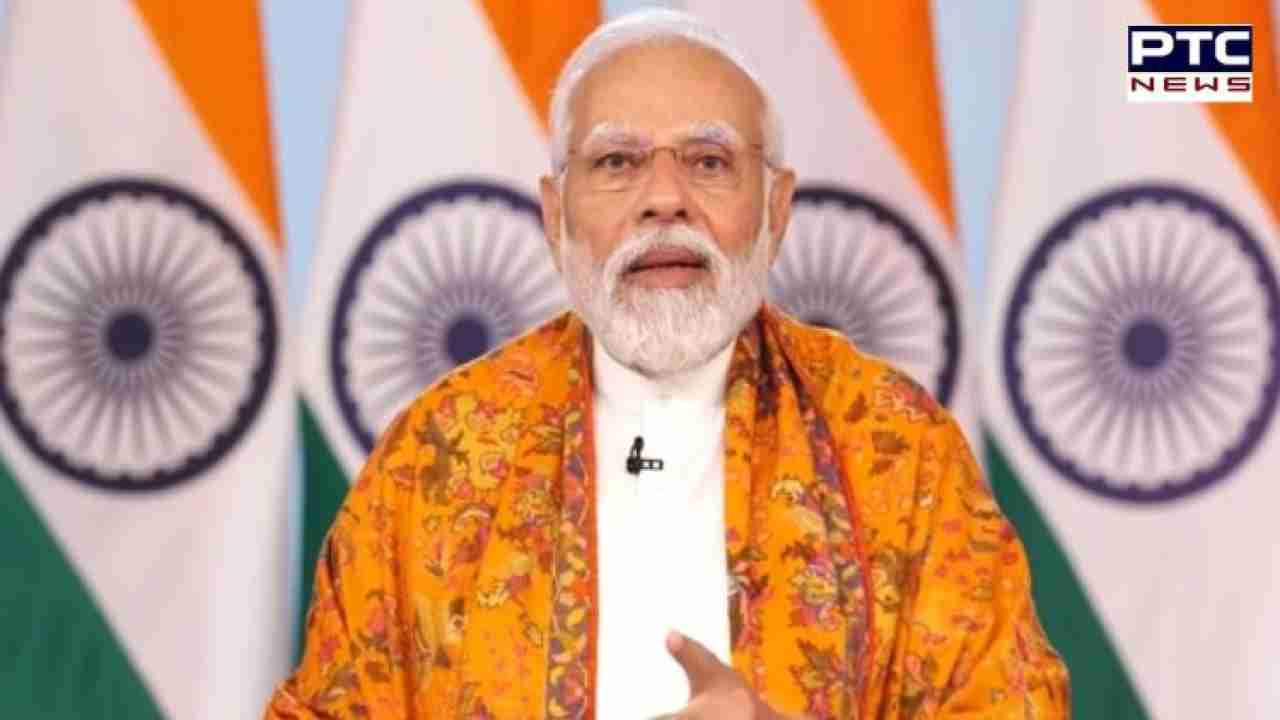
Article 370: Prime Minister Narendra Modi penned an article, applauding the recent Supreme Court verdict affirming the abrogation of Articles 370 and 35(A). The ruling, delivered on December 11, marks a historic moment in India's legal landscape, reaffirming the nation's sovereignty and integrity—an aspect deeply cherished by every Indian.
The Prime Minister commended the Supreme Court's stance, emphasising that the decision taken on August 5, 2019, regarding the abrogation of Article 370, aimed at strengthening constitutional integration rather than fostering disintegration. The court's recognition of Article 370's impermanent nature underscores a significant aspect of its verdict.
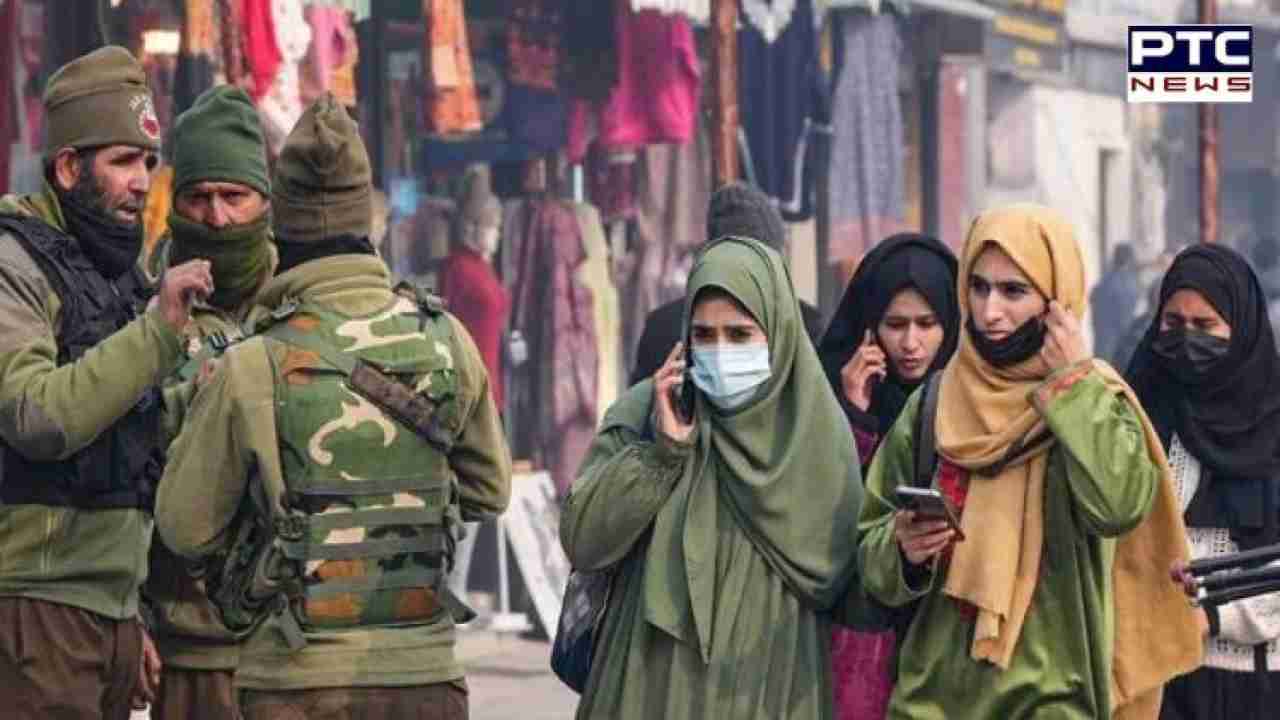 Jammu, Kashmir, and Ladakh, adorned with breathtaking landscapes and captivating natural beauty, have long been a source of inspiration for poets, artists, and adventurers. These regions, with their majestic mountains and serene valleys, have historically been revered. However, for the past seven decades, they bore witness to distressing violence and instability, an unfortunate fate undeserving of their wonderful people.
Reflecting on the historical context, the Prime Minister lamented the societal confusion that prevailed due to centuries of colonisation, particularly economic and mental subjugation. This confusion, rather than fostering clarity on fundamental matters, led to a duality of perspectives, which adversely impacted Jammu and Kashmir (J&K). At the time of India's independence, there was an opportunity for a fresh start toward national integration. Instead, the nation continued with a perplexing societal approach, neglecting long-term national interests in the process.
My involvement with the Jammu and Kashmir (J&K) movement has been ingrained since my early years. I align with an ideological framework where J&K transcends mere political dimensions; it's about fulfilling societal aspirations. Dr. Syama Prasad Mookerjee, despite holding a significant role in the Nehru cabinet, chose to depart from the government over the Kashmir issue. His courageous decision, even at the cost of his life, deeply resonated with millions of Indians, emotionally tying them to the Kashmir cause. Years later, Atal Bihari Vajpayee's powerful discourse on 'Insaniyat' (humanity), 'Jamhooriyat' (democracy), and 'Kashmiriyat' (Kashmir's ethos) during a public gathering in Srinagar remained a profound source of inspiration.
It has always been my conviction that the events in J&K constituted a grave betrayal, both to our nation and its inhabitants. My unwavering aspiration has been to rectify this injustice and work toward alleviating the sufferings of the people in J&K.
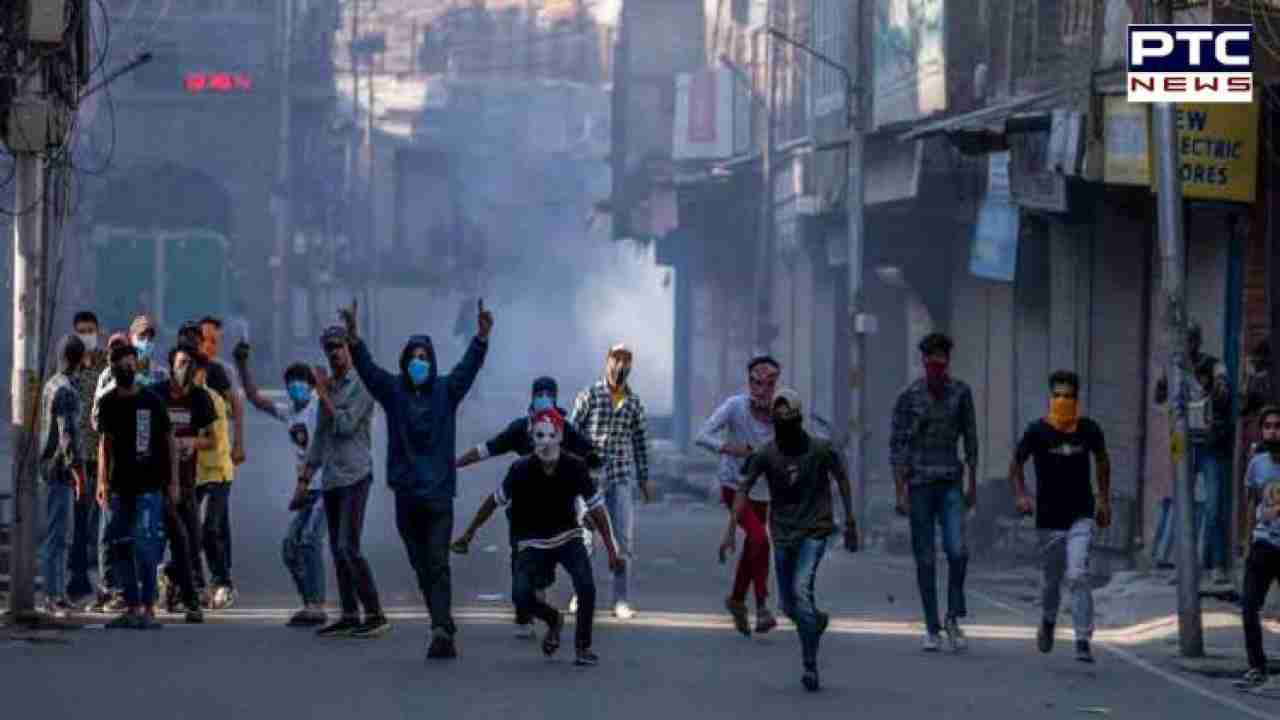
In simplistic terms, Articles 370 and 35(A) functioned as formidable barriers. They seemed impenetrable walls that disadvantaged the impoverished and marginalized. These articles curtailed the rights and developmental prospects of the people in J&K, creating a rift among fellow citizens within the nation. Consequently, many well-intentioned individuals from our country, despite empathizing with the plight of Kashmiris, found themselves unable to aid due to this divide.
As someone deeply involved in this cause for several decades, I possess a nuanced comprehension of its intricacies and complexities. However, one aspect remained unequivocal to me: the people of J&K yearn for development, wish to contribute to India's progress with their capabilities, and desire a better life devoid of violence and uncertainty, especially for their children.
Thus, our service to the people of J&K centered on three pillars: acknowledging citizen concerns, fostering trust through supportive actions, and prioritising relentless development efforts.
In 2014, soon after assuming office, J&K was struck by devastating floods, particularly affecting the Kashmir valley. In September that year, I visited Srinagar to evaluate the situation and announced a special assistance of Rs. 1,000 crore for rehabilitation, underscoring our government's commitment to aiding during crises. Interacting with diverse individuals revealed a consistent sentiment—a plea not just for development but also liberation from entrenched corruption spanning decades. That same year, I chose not to celebrate Diwali as a tribute to those we lost in J&K, opting instead to be present in the region on Diwali day.
To fortify Jammu and Kashmir's (J&K) trajectory toward development, our government strategized frequent ministerial visits, aiming for direct interactions with the populace. These visits played a pivotal role in nurturing goodwill within J&K. Remarkably, from May 2014 to March 2019, over 150 ministerial visits were conducted—a feat in itself. The 2015 special package emerged as a significant stride in addressing J&K's developmental requirements. This comprehensive initiative encompassed infrastructural enhancement, employment generation, promotion of tourism, and bolstering the handicraft sector.
Recognising the potential of sports to ignite the aspirations of the youth, we harnessed its power in J&K. Witnessing the transformative impact of athletic endeavors on their future, we upgraded sporting venues, organised training programs, and provided coaching facilities. Encouraging the formation of local football clubs yielded exceptional outcomes. The story of Afshan Ashiq, initially part of a stone-pelting group in Srinagar but transitioned into a football enthusiast through encouragement and proper training, stands out. Her exceptional journey exemplified by moving "from Bend it like Beckham to Ace it like Afshan" was celebrated, inspiring many other youngsters to shine in kickboxing, karate, and various sports.
The panchayat polls marked a crucial juncture in J&K's pursuit of holistic development. Faced with a choice between retaining power and standing by our principles, we relinquished governance, prioritizing the ideals and aspirations of the people. The success of the panchayat polls underscored the region's democratic essence. In a dialogue with village leaders, among various issues, I emphasised the preservation of schools, a plea that was hearteningly honored, recognizing that the most affected by school disruptions are the young children.
August 5, 2019, remains a historic milestone etched in every Indian's memory, as Parliament made the monumental decision to abrogate Article 370. Since then, Jammu, Kashmir, and Ladakh have witnessed significant transformations. Despite the judicial verdict arriving in December 2023, the resounding wave of development across these regions showcases the people's overwhelming support for Parliament's decision to annul Articles 370 and 35(A) over the past four years.
Over the past four years, a revival of grassroots democracy has been a defining aspect of the political landscape. Previously overlooked segments of society such as women, tribals, scheduled castes, scheduled tribes, and marginalized groups had been deprived of their rightful share. Moreover, Ladakh's aspirations remained largely disregarded. However, August 5, 2019, marked a significant turning point, altering this trajectory. Currently, all central laws are universally applicable, without bias. A comprehensive representation framework has been established, exemplified by the implementation of a three-tier Panchayati Raj system, block development council elections, and the upliftment of forgotten refugee communities through development initiatives.
Major central government schemes have achieved comprehensive coverage across all societal sections. Initiatives like Saubhagya (electricity connection), Ujjwala (gas connection and cylinder), housing, tap water access, and financial inclusion have attained notable strides. Health infrastructure, a persistent challenge, has undergone substantial enhancements. Villages achieving open defecation-free (ODF)-plus status, transparent filling of government vacancies, and improvements in indicators like Infant Mortality Rate signify notable progress. The region's infrastructure and tourism sectors have notably flourished, attributed to the resilient spirit of the people in J&K, who continually advocate for development, steering this positive transformation.
The Supreme Court's verdict on December 11 reaffirmed the spirit of 'Ek Bharat, Shreshtha Bharat' (One India, Greatest India), underscoring the binding force of unity and a collective commitment to effective governance. Presently, every child born in Jammu, Kashmir, and Ladakh enters a realm of possibilities, with the canvas of their future free to be painted with vibrant aspirations. The aspirations of the populace no longer remain fettered by past limitations but burgeon with the potential of future prospects. Indeed, a paradigm shift has occurred, where development, democracy, and dignity have triumphed over disillusionment, disappointment, and despondency.
- With inputs from agencies