Supreme Court rejects Meenakshi Natarajan's plea against RS nomination rejection: 'Can't make exception for 1 candidate'





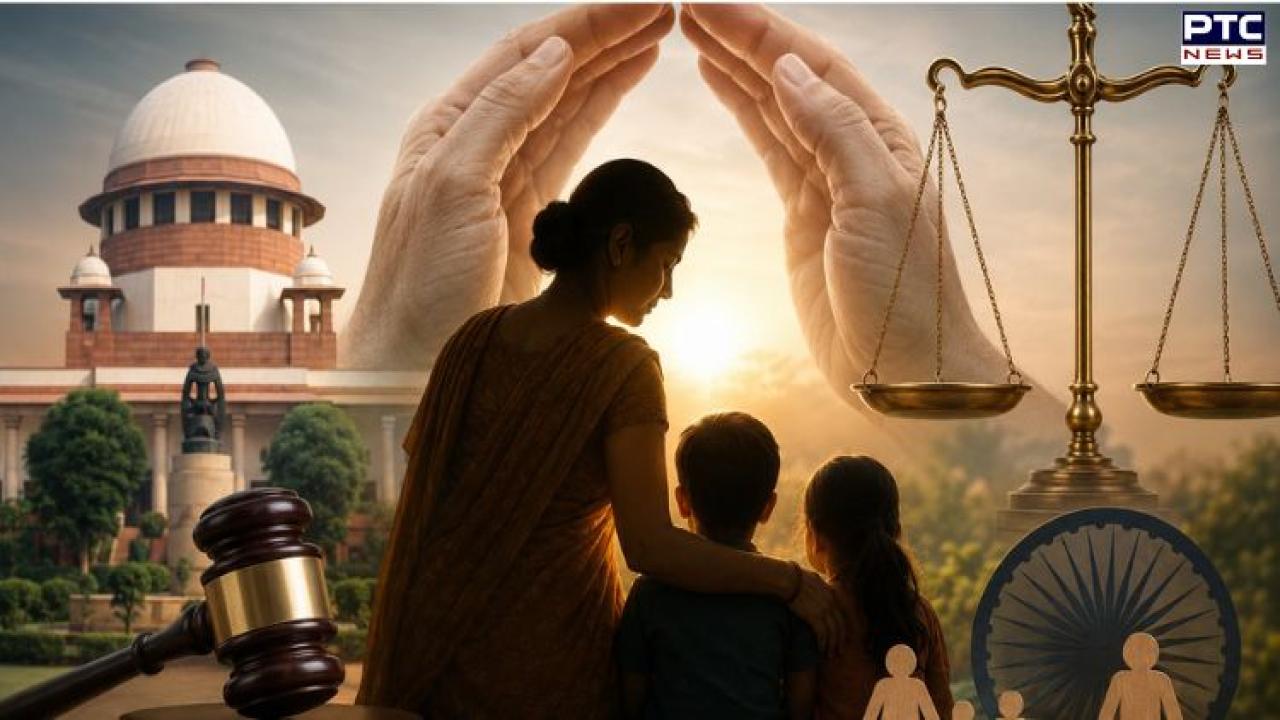
PTC News Desk: The Supreme Court on Friday dismissed a petition filed by Congress leader Meenakshi Natarajan challenging the rejection of her nomination for the Rajya Sabha elections in Madhya Pradesh, ruling that courts cannot interfere in an ongoing election process and that her appropriate remedy is to file an election petition after the election.
A bench comprising Justices Prashant Kumar Mishra and Atul S Chandurkar reiterated the settled legal principle that judicial intervention is barred during the conduct of elections.
The court noted that Natarajan's nomination had been rejected by the Returning Officer because her Form 26 affidavit was incomplete and failed to disclose a pending complaint case against her. The Returning Officer's order further stated that Natarajan had submitted written responses in the complaint proceedings, indicating that she was aware of the case.
The bench also observed that Natarajan had already approached the Election Commission of India against the Returning Officer's decision. She had submitted a written representation and personally argued her case before the full Election Commission on June 10, although no decision had been issued on her representation.
Appearing on her behalf, senior advocate Abhishek Manu Singhvi argued that the constitutional bar under Article 329(b) did not apply because the petition sought to ensure a fair and transparent electoral process rather than obstruct the election.
However, the Election Commission, the returned candidate and other respondents opposed the plea, contending that the right to contest an election is a statutory right and that a candidate whose nomination is rejected can challenge the decision only through an election petition after the electoral process concludes. They further argued that Form 26 mandates disclosure of all pending criminal cases and that constitutional remedies under Articles 32 and 226 cannot be invoked to challenge a nomination rejection during an ongoing election.
With the dismissal of the plea, the Supreme Court has reaffirmed the long-standing principle that election-related disputes arising during the electoral process must generally be addressed through election petitions after the completion of elections rather than through immediate judicial intervention.
- With inputs from agencies