Amid sloganeering and ruckus, G Ram G Bill, replacing MGREGA, passed in Lok Sabha





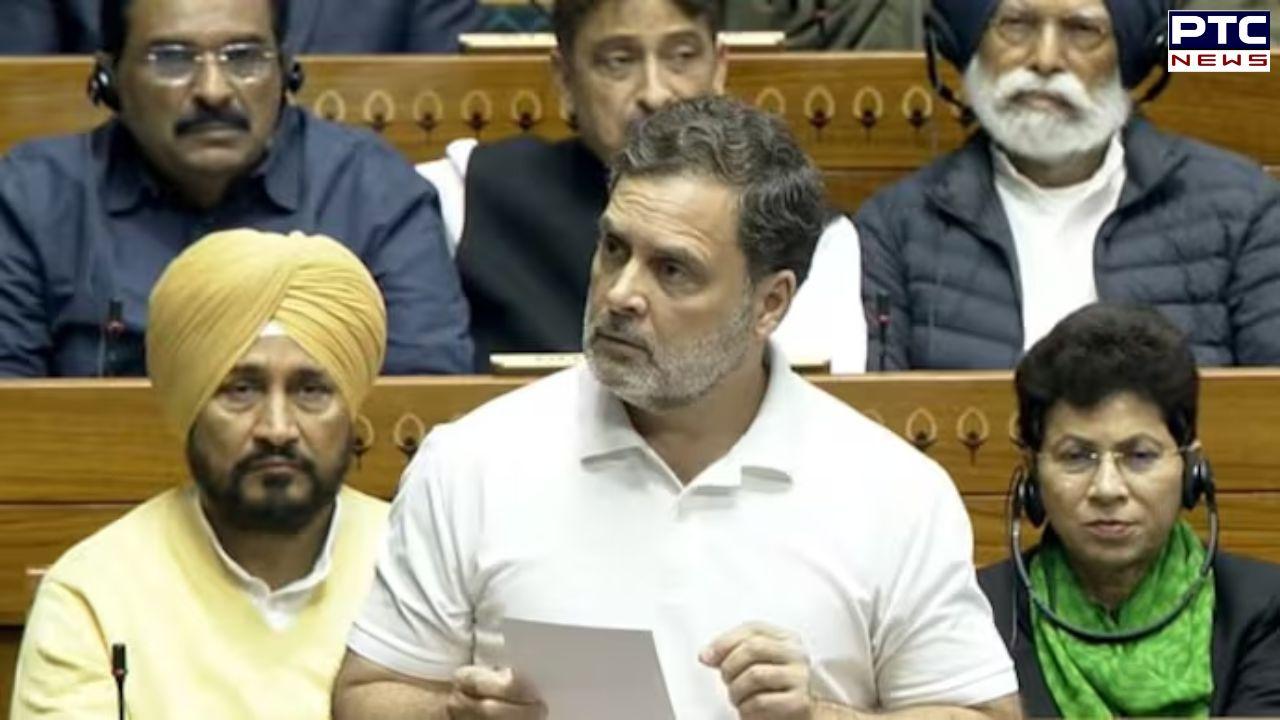
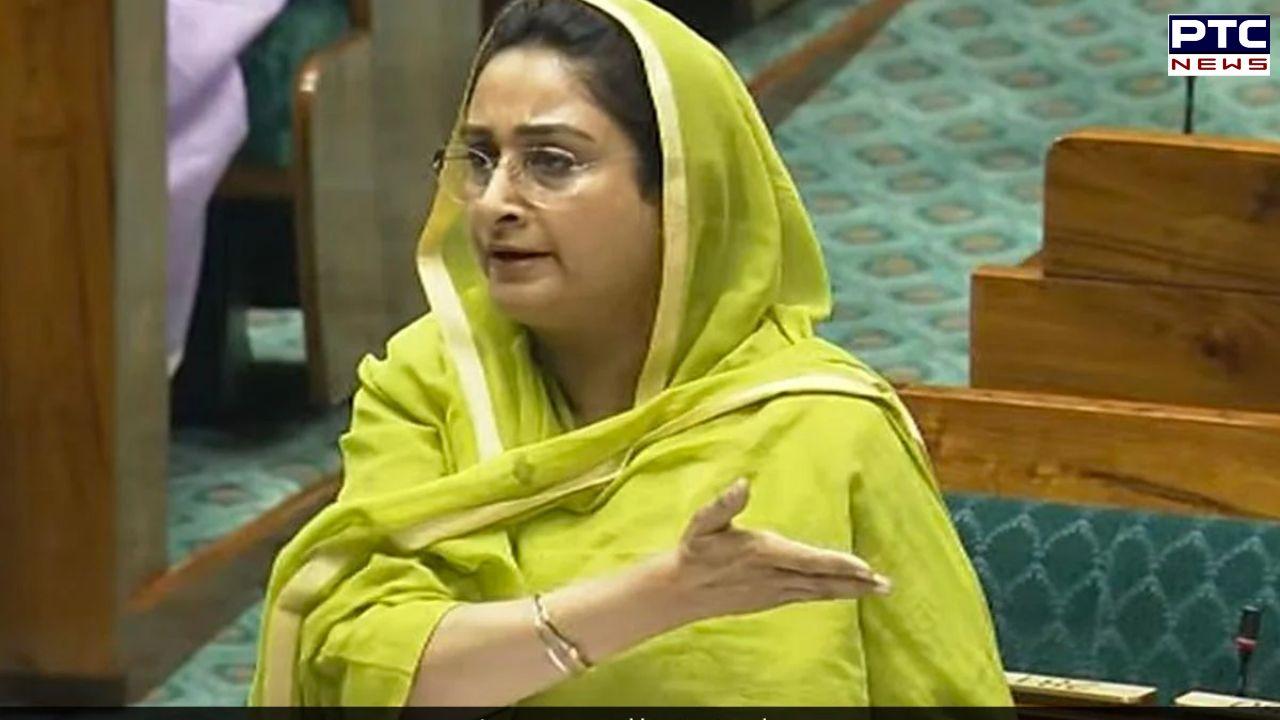
PTC Web Desk: The Lok Sabha on Thursday passed the Viksit Bharat Guarantee for Rozgar and Ajeevika Mission (Gramin) (VB-G RAM G) Bill, 2025, amid noisy scenes and sharp exchanges between the Treasury benches and the Opposition.
Several Opposition members staged protests, accusing the Centre of weakening the spirit of Mahatma Gandhi and diluting the legal protections that existed under the Mahatma Gandhi National Rural Employment Guarantee Act (MGNREGA).
Opposition MPs created a ruckus in the House, rushing to the well and raising slogans against the government over the decision to drop Mahatma Gandhi’s name from the rural employment scheme. Some members tore up copies of the proposed legislation and flung the papers toward the Speaker’s chair in protest.
Earlier, opposition parties had taken out a demonstration march within the Parliament premises, pressing for the Bill to be scrapped. Congress president Mallikarjun Kharge criticised the move, describing it as a slight to Mahatma Gandhi and an attack on the right to employment that had helped bring social and economic change to rural India. Veteran Congress leader Sonia Gandhi also joined fellow MPs during the protests at Makar Dwar.
Govt calls it a needed overhaul of MGNREGA
The Union Government has projected the new Bill as a major restructuring of MGNREGA, which has been in force for nearly two decades. According to the Centre, the older framework was designed for a very different rural economy and has now “outlived its utility” in the face of changing livelihoods, declining poverty levels and rapid digitisation.
In an official statement, the government said the legislation fits into its long-term vision of Viksit Bharat 2047. While acknowledging MGNREGA’s role in providing income security and creating rural assets since 2005, it argued that the scheme must evolve to meet contemporary rural challenges.
More workdays, seasonal flexibility for farmers
One of the key provisions of the Bill is an increase in guaranteed employment from 100 to 125 days per rural household in a financial year. The legal entitlement to an unemployment allowance has been retained if work is not provided within 15 days.
At the same time, states will be allowed to declare up to 60 days annually during peak sowing and harvesting periods when public works will not be undertaken. The Centre maintains that this will help ensure adequate labour availability for agriculture and avoid distortion of farm wages.
Shift in asset planning and infrastructure focus
The Bill proposes a major change in the way rural assets are planned and executed. Instead of fragmented village-level works, projects will now be drawn from Viksit Gram Panchayat Plans and integrated into a national rural infrastructure framework. This system will be aligned with platforms such as PM Gati Shakti.
Priority will be given to four broad areas: water conservation, essential rural infrastructure, livelihood-oriented assets, and specialised works to address extreme weather conditions.
From demand-driven model to fixed allocations
Perhaps the most contentious change is the move away from MGNREGA’s demand-driven funding model. Under the new law, the Centre will announce fixed state-wise allocations every year. Any spending beyond the allocated amount will have to be met by the states.
The total annual expenditure has been estimated at Rs 1.51 lakh crore, with the Centre contributing around Rs 95,692 crore. Most states will share costs with the Centre in a 60:40 ratio, while Northeastern and Himalayan states will follow a 90:10 pattern. Union Territories without legislatures will be fully funded by the Centre. The government claims this approach will bring better financial discipline and coordination between the Centre and states.
Greater use of technology and monitoring
The Bill places strong emphasis on technology-driven governance. Administrative spending has been increased from 6% to 9% to support manpower, training and technical systems. The scheme will rely on biometric attendance, geospatial tracking of assets, AI-based monitoring, real-time dashboards and mandatory social audits. Weekly public disclosure of key performance data has also been proposed to reduce leakages and improve transparency.
Opposition flags loss of rights-based approach
Opposition parties, however, have criticised the legislation, arguing that it weakens the rights-based nature of rural employment. Congress leaders said the revised funding structure shifts the financial burden to states and erodes the legal guarantee of work. Priyanka Gandhi claimed the new framework undermines the core promise of employment on demand.
Shashi Tharoor described the Bill as a departure from the philosophical foundation of MGNREGA, while Trinamool Congress leaders Sougata Ray and Mahua Moitra warned that fixed allocations could limit job availability and place additional strain on state finances. Several Opposition members also objected to the removal of Mahatma Gandhi’s name from the law.
- With inputs from agencies