European space agency releases striking earth day-night split photo





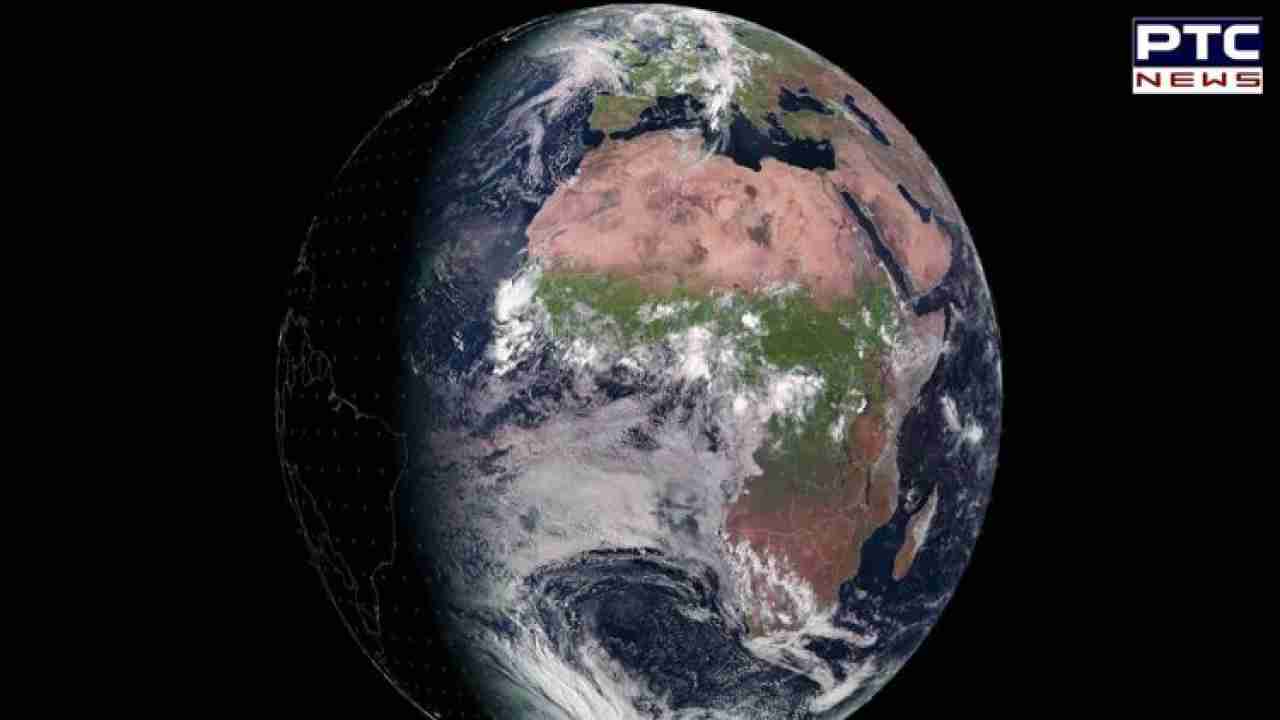
PTC News Desk: The European Space Agency (ESA) shared a remarkable satellite photo of Earth's division between day and night, marking the autumn equinox in the Northern Hemisphere. This breathtaking image, posted on social media platform X (formerly Twitter), depicts the Sun's passage over the celestial equator, ushering in autumn.
The ESA's caption read, "Winter is coming. Day and night are split in half today, as the Sun crossed the celestial equator in the sky at 07:50 BST/08:50 CEST marking the autumn equinox in the Northern Hemisphere. This #Meteosat image was taken at 09:00 BST/10:00 CEST this morning."
Winter is coming ❄️
Day and night are split in half today, as the Sun crossed the celestial equator in the sky at 07:50 BST/08:50 CEST marking the autumn equinox in the Northern Hemisphere.
This #Meteosat image was taken at 09:00 BST/10:00 CEST this morning (pic: EUMETSAT) pic.twitter.com/t7oUI36ai4 — ESA (@esa) September 23, 2023
The post garnered significant attention and reactions from social media users, with many expressing awe and fascination at the image's beauty and the science behind it. Comments ranged from "Incredible" and "Amazing" to users appreciating the educational aspect of the post.
As per Space.com, the astronomical beginning of autumn in the Northern Hemisphere coincided with the onset of spring in the Southern Hemisphere. During this time, the Sun's migration southward meant that it would appear directly overhead for observers near the equator, such as in the Laccadive Sea, northeast of Addu City in the Maldives.
The Earth's axial tilt causes varying sunlight and warmth distribution between the northern and southern hemispheres throughout the year. However, during the equinox, the planet's axis and orbit align, resulting in nearly equal daylight and nighttime hours worldwide. The term "equinox" derives from two Latin words meaning "equal" and "night," reflecting the balanced duration of day and night during this celestial event, though slight variations may occur depending on one's location on Earth.
- With inputs from agencies