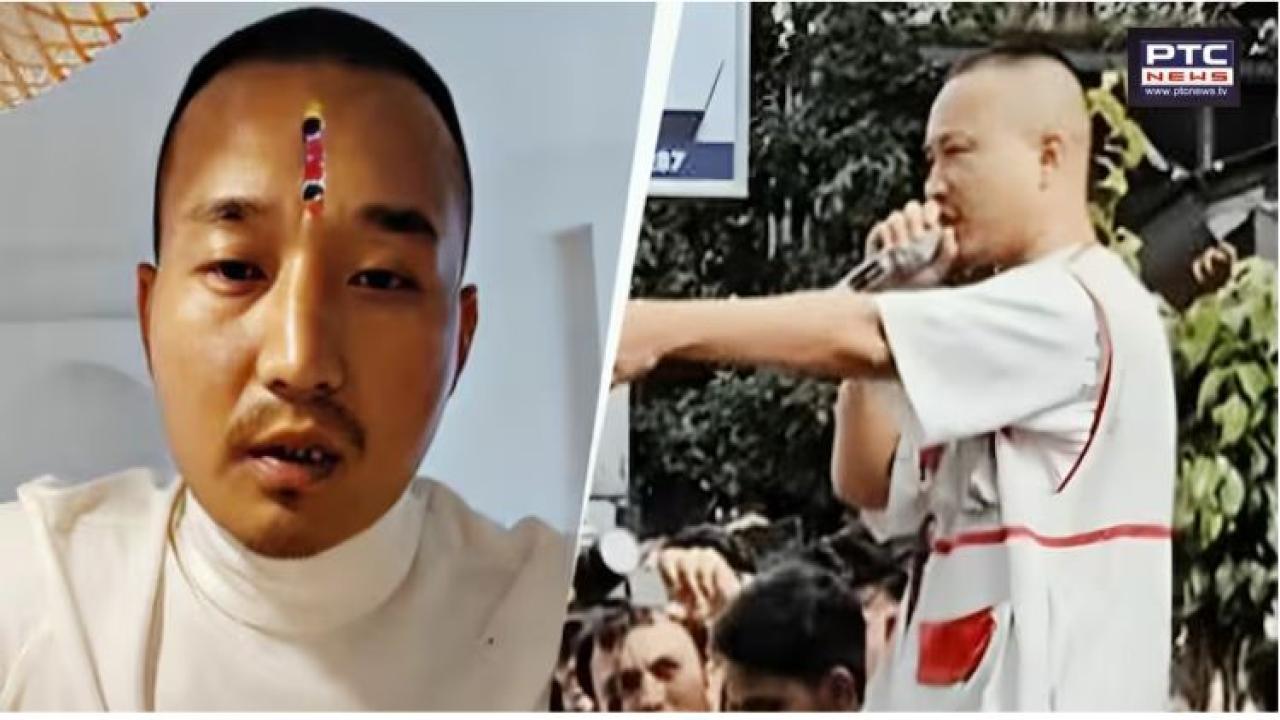
Who is Sudan Gurung? The face behind massive Gen-Z protests in Nepal over social media ban, corruption





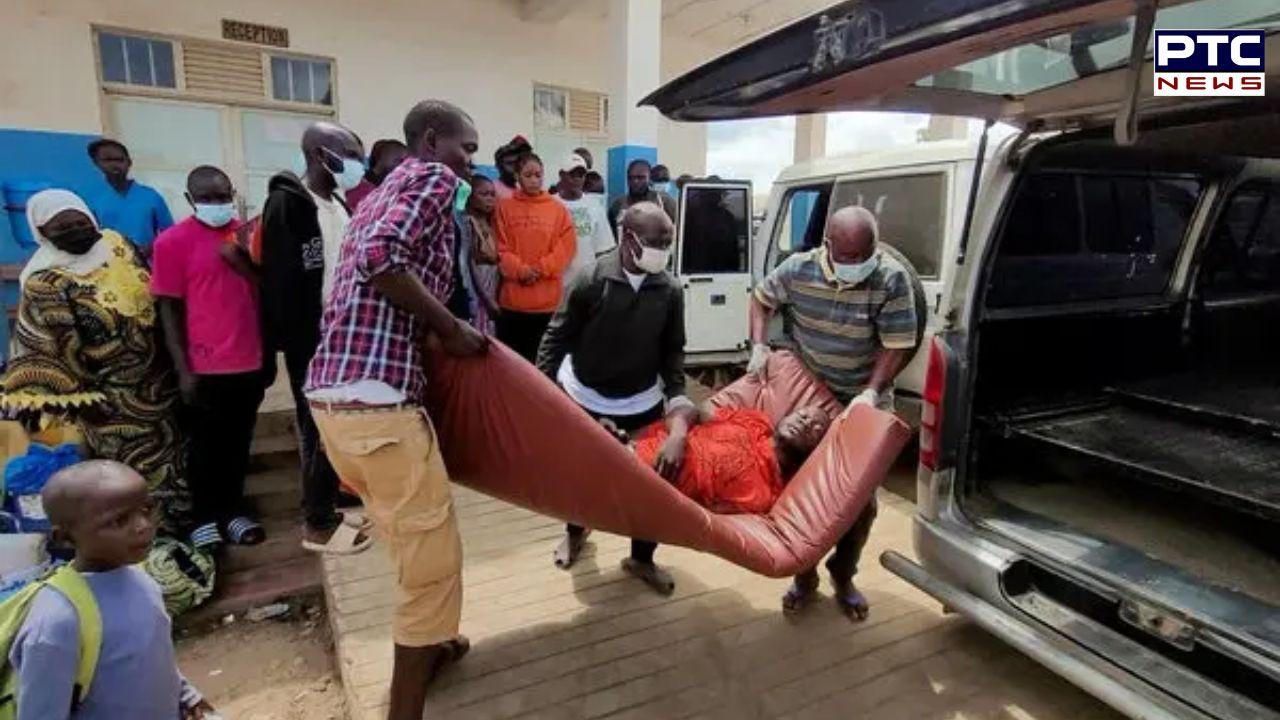
PTC Web Desk: Nepal witnessed its most violent youth uprising in recent years on Monday after the government banned 26 social media platforms—including Facebook, Instagram, WhatsApp, YouTube, and X—on September 4. At least 20 persons were killed and over 300 injured when security forces opened fire on demonstrators in Kathmandu.
Home minister Ramesh Lekhak resigned on moral grounds following the deadly clashes, while the Nepali army took control of roads around Parliament as tensions escalated. Prime Minister KP Sharma Oli attributed the violence to “infiltration by unwanted elements,” stressing that the ban was not meant as censorship but as regulation. However, under mounting public pressure, the government later reversed its decision. Communication Minister Prithvi Subba Gurung announced that access to the blocked platforms would be restored after an emergency Cabinet meeting.
Sudan Gurung at the forefront
Leading the protests is Sudan Gurung, a 36-year-old activist and president of Hami Nepal, a youth-driven NGO that has grown into a powerful civic movement. Gurung urged students to join demonstrations in school uniforms with books in hand, turning the gatherings into a symbol of peaceful defiance.
Hami Nepal had earlier used social media to circulate protest routes and safety guidelines before the blackout. Gurung’s leadership is rooted in personal tragedy—he lost his child in the 2015 earthquake, a turning point that pushed him from event planning into activism and disaster relief. He later spearheaded Dharan’s Ghopa camp protest for transparency at BP Koirala Institute of Health Sciences, cementing his role as a grassroots leader. Today, he is seen as a voice of Nepal’s Gen Z, channeling digital frustration into structured civic action.
Gen Z on the streets
On Monday, thousands of young protesters, many of them school students, marched in Kathmandu demanding the immediate lifting of the ban. What began as peaceful demonstrations spiraled into violence when crowds breached the Parliament complex. Police used water cannons, tear gas, and even live ammunition to disperse protesters.
The unrest quickly spread from the capital to Pokhara, Butwal, Bhairahawa, Bharatpur, Itahari, and Damak. Hospitals across Kathmandu, including Civil Hospital and the Trauma Centre, reported being overwhelmed with injured protesters, forcing many facilities to divert patients. Authorities responded with sweeping curfews in parts of Kathmandu, Lalitpur, Pokhara, Butwal, and Sunsarai’s Itahari district.
Adding fuel to the movement, a viral campaign titled “Nepo Kid” gained traction online, spotlighting the privileges enjoyed by children of politicians and elites, and linking them to widespread corruption.
The uprising marks one of the largest Gen Z-driven political movements in Nepal’s history, underscoring the power of social media in mobilising youth—even in the face of bans and crackdowns.
- With inputs from agencies