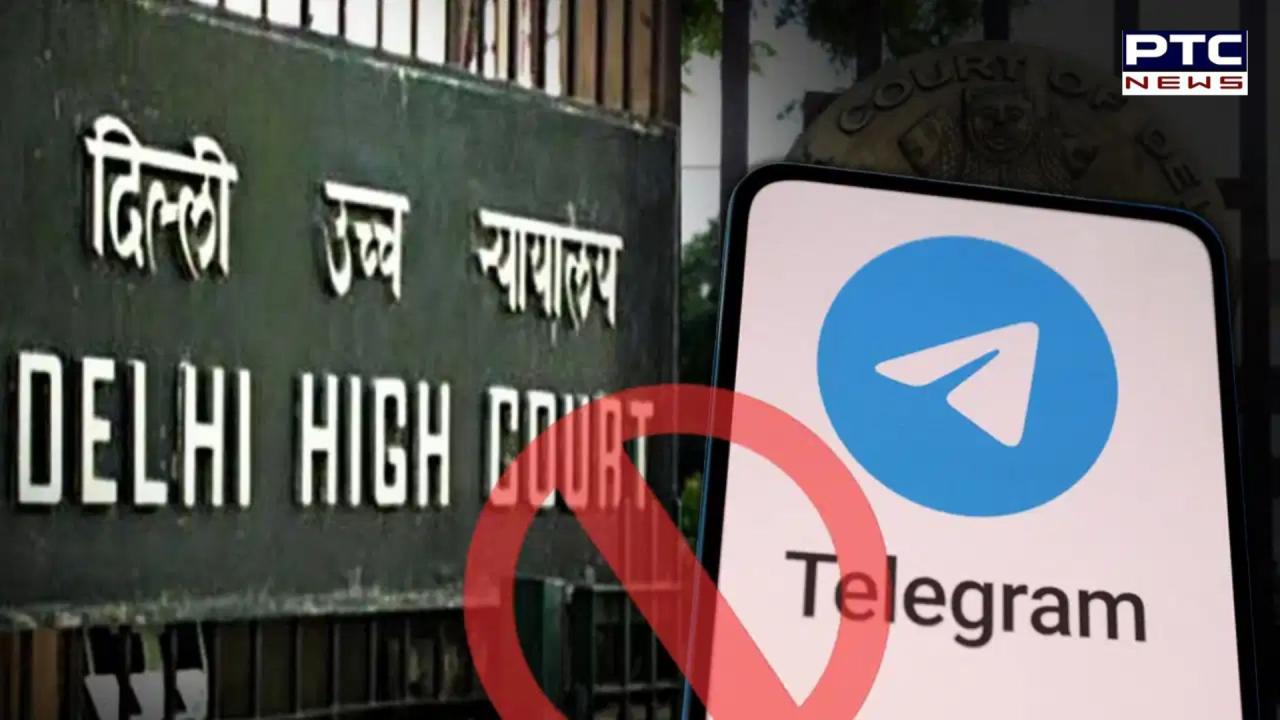
Delhi High Court backs temporary Telegram ban over NEET re-exam concerns, says govt action was justified





PTC Web Desk: The Delhi High Court on Friday upheld the Centre’s decision to temporarily restrict access to Telegram during the NEET-UG 2026 re-examination period, ruling that the government’s action was reasonable and aimed at preventing potential exam-related malpractice.
Delivering the verdict, Justice Tejas Karia dismissed Telegram’s challenge against the blocking order issued under Section 69A of the Information Technology Act. The court observed that the restrictions imposed were limited in scope and designed to address specific concerns linked to the integrity of the national medical entrance examination.
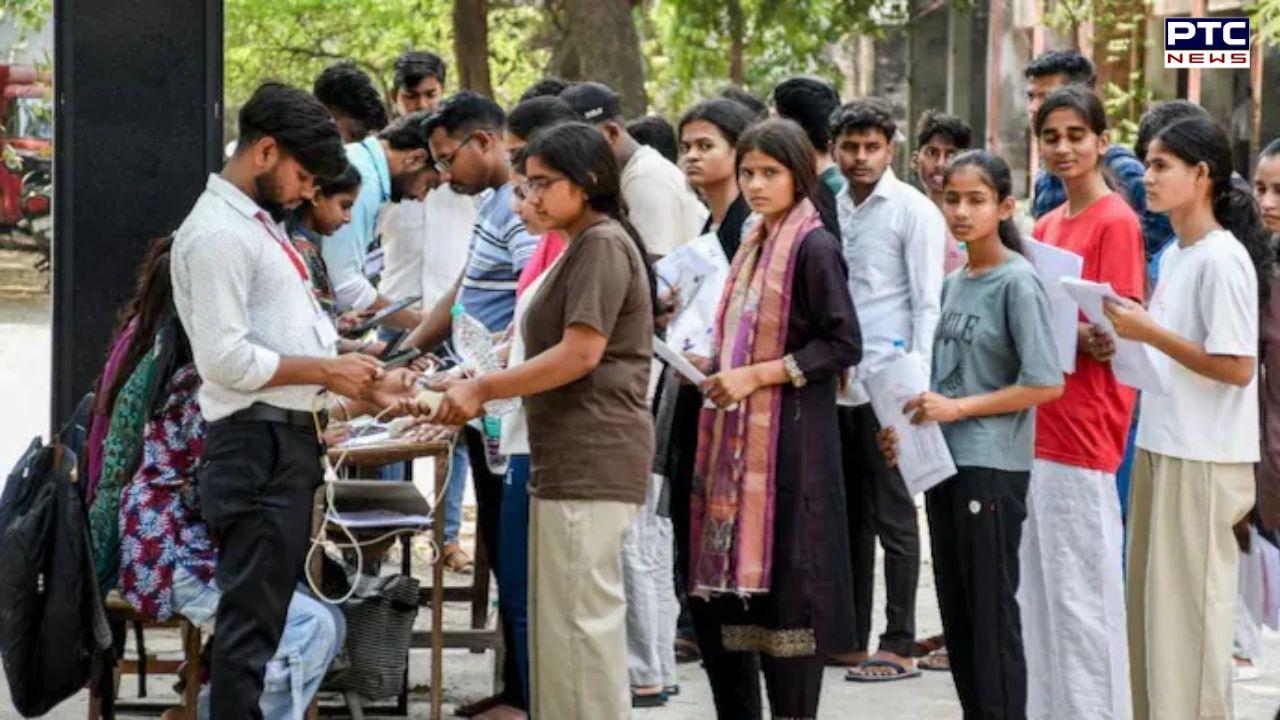
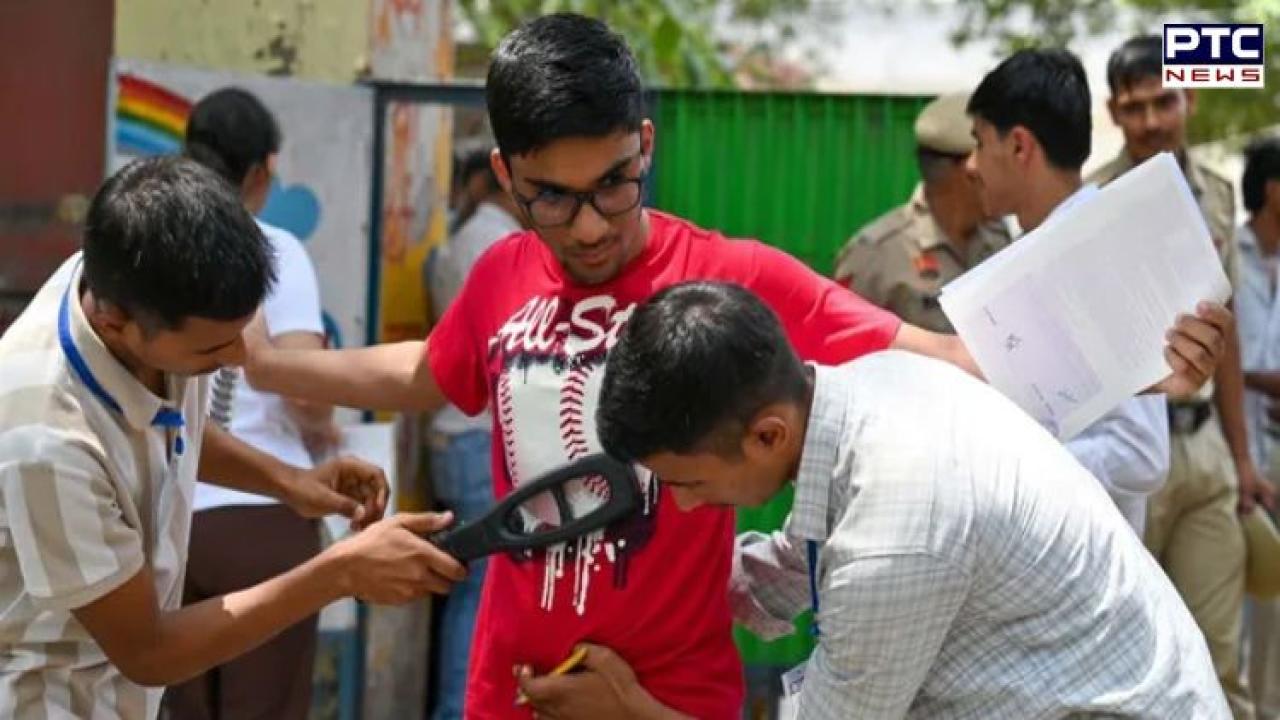
The temporary curbs were introduced after authorities raised concerns that organised cheating networks could use the messaging platform to circulate leaked exam material and coordinate unfair practices. The NEET-UG re-examination was ordered following allegations of paper leaks and irregularities in the original test conducted on May 3, a matter that is currently being investigated by the Central Bureau of Investigation (CBI).
Acting on recommendations from the National Testing Agency (NTA), the Ministry of Electronics and Information Technology directed internet service providers to restrict access to Telegram until June 22. Authorities also instructed the platform to suspend its message-editing feature for earlier published content until June 30.
Telegram argued before the court that it was being unfairly singled out while other social media platforms continued to operate without similar restrictions. The company maintained that it had cooperated fully with government agencies and had taken swift action against content linked to the alleged examination leak.
According to Telegram, hundreds of channels and links associated with unlawful NEET-related content were removed after receiving information from authorities. The company also highlighted its use of artificial intelligence tools, automated monitoring systems and moderation teams to detect and eliminate policy violations.
Representing the Centre, Solicitor General Tushar Mehta defended the move, stating that the government had adopted the least restrictive option available to safeguard the examination process. Senior government law officers argued that preventive action was necessary given the scale of the controversy and the importance of maintaining public confidence in competitive examinations.
- With inputs from agencies