SC pulls up content creators for mocking disabled persons; Raina and Allahbadia told to submit affidavits





PTC Web Desk: The Supreme Court has come down strongly on social media influencers and comedians accused of mocking persons with disabilities, stressing that online content creators cannot hide behind the garb of free speech when their words cause harm to vulnerable groups. The apex court has directed the Ministry of Information and Broadcasting (I&B) to frame comprehensive guidelines to regulate the language used on digital platforms to safeguard the dignity of all individuals, including people with disabilities.
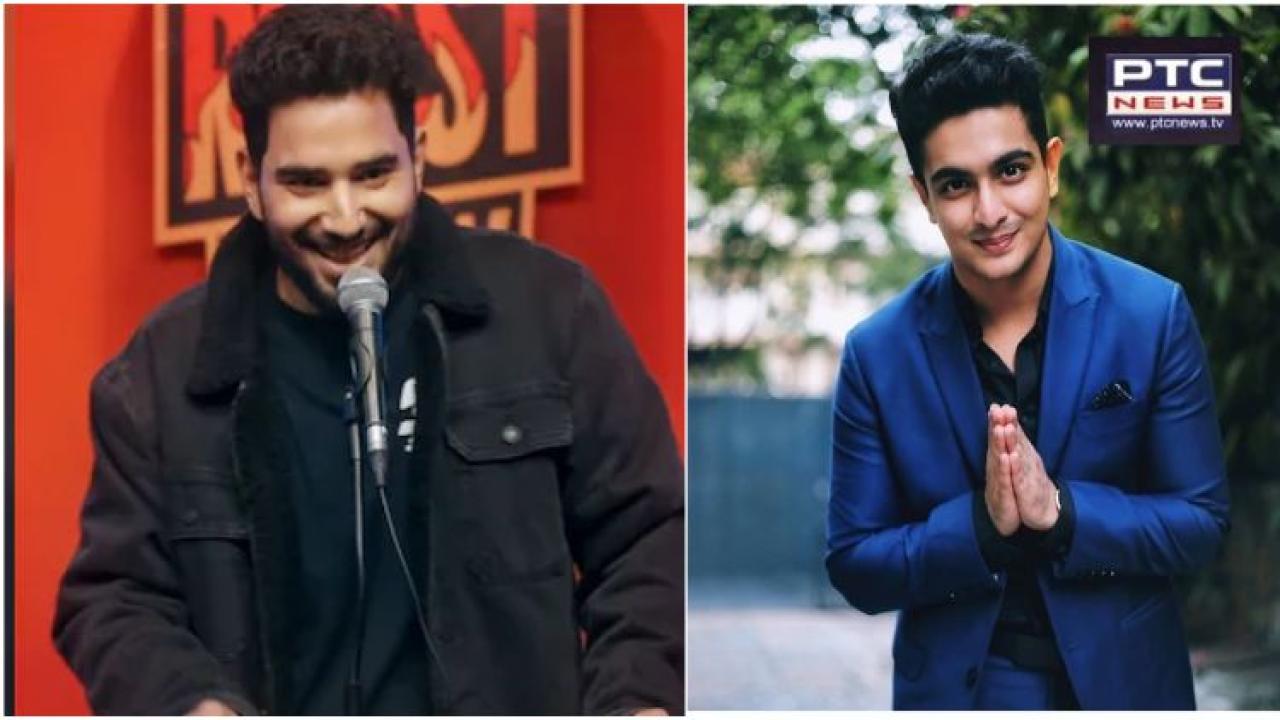
During the hearing, the court instructed influencers, including comedians Samay Raina and Ranveer Allahbadia, to submit affidavits detailing how they intend to use their platforms to promote awareness about disability rights. They have also been directed to post public apologies on their YouTube channels and podcasts.
The Bench, comprising Justice J Bagchi and Justice Suryakant, made it clear that while influencers will not be required to appear at every hearing, the issue of penalties for such offensive content will be taken up at a later stage.
Case against comedian Samay Raina
The matter arose from complaints against stand-up comedian Samay Raina, who was accused of ridiculing patients suffering from Spinal Muscular Atrophy (SMA) in two videos. He allegedly mocked blind and cross-eyed individuals and even commented insensitively on a two-month-old SMA patient requiring an injection worth Rs 16 crore.
The Cure SMA Foundation, which moved the court, argued that such videos are not isolated incidents but part of a growing trend where disabled persons are often turned into objects of pity or public ridicule for entertainment. The Foundation demanded specific protections under the upcoming social media guidelines. Although Raina apologised, the court noted that he initially attempted to justify his remarks.
Court stresses responsibility of commercial speech
Attorney General KK Venugopal highlighted how social media allows creators to exploit freedom of expression for followers and monetisation, often neglecting ethical boundaries. Justice Bagchi pointed out that content created for commercial purposes does not enjoy the same level of constitutional protection as free speech.
“In the overlap of commercial speech and prohibited speech, you do not have the fundamental right to speak freely,” Justice Bagchi observed. Justice Suryakant added that punishment must be proportional to the damage caused, warning that otherwise, creators would continue to use offensive language with impunity.
Need for broad-based guidelines
The Bench emphasised that the new guidelines should not be a knee-jerk reaction to one incident but a broad framework addressing technological challenges. The Ministry of I&B has been directed to consult the National Board for the Welfare of Persons with Disabilities (NBDSA) and other stakeholders to prepare both preventive and punitive measures.
NBDSA informed the court that while it has handled over 4,000 complaints against print and electronic media, online influencers and podcasters remain outside its jurisdiction. The court suggested that expert bodies like NBDSA could play a role in designing enforcement mechanisms for digital content.
The judges also warned of wider consequences if unchecked offensive language continues online. “Today it is disabled persons, tomorrow it could be women, senior citizens, or any other vulnerable group. Where will society draw the line?” Justice Suryakant remarked.
The court further clarified that platforms such as YouTube may also face accountability if they host content that violates the dignity of persons with disabilities. The Ministry of I&B will now prepare specific guidelines along with punishment mechanisms to ensure social media platforms and influencers are held responsible.
- PTC NEWS